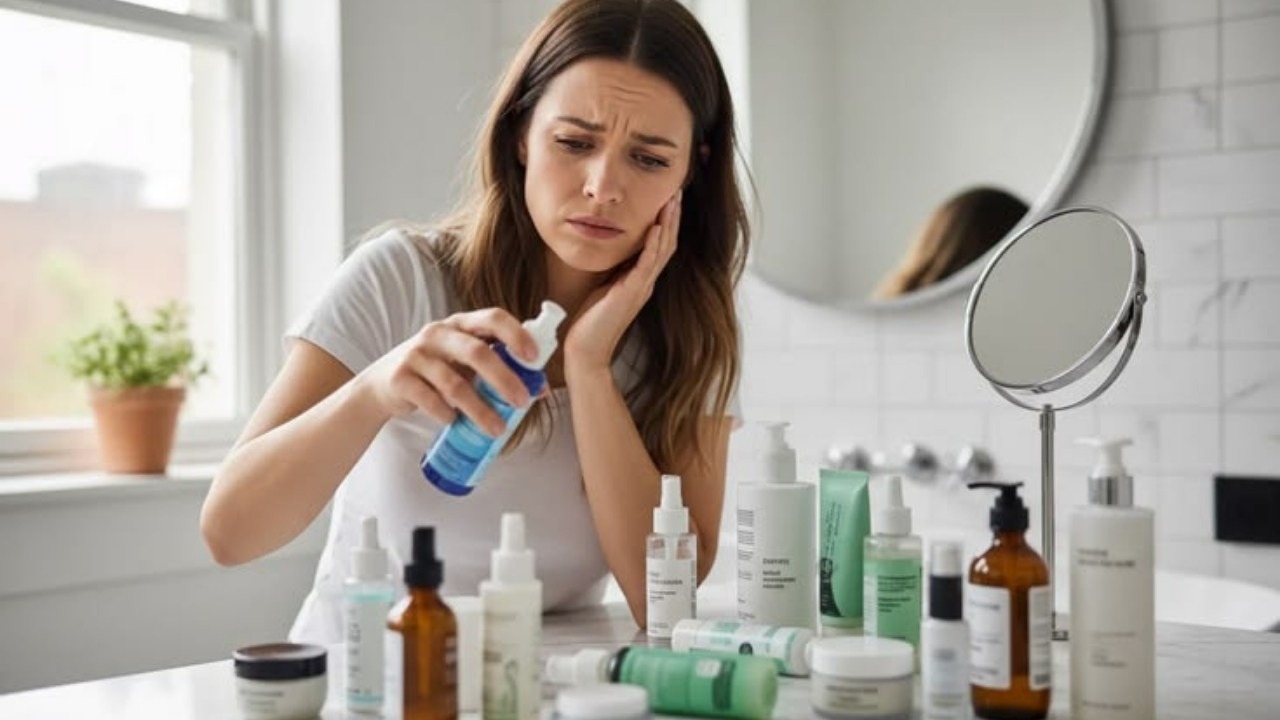
Toothpaste skin irritation is one of the most common side effects of a viral skincare hack that simply refuses to die. Dabbing a bit of minty paste on a pimple before bed sounds clever, but by morning many people wake up to burning red patches, peeling skin, or breakouts that look worse than the original blemish.
The confusion is understandable. Toothpaste seems safe, affordable, and always within reach. But your face is not a tooth, and the ingredients inside modern dental formulas are engineered for enamel, not for the thin, living barrier that protects your complexion.
This guide breaks down exactly why the reaction happens, who is most at risk, how to calm the damage, and which dermatologist-approved options actually treat acne without wrecking your skin.
Table of Contents
Why Toothpaste Triggers a Skin Reaction
Your facial skin sits around a slightly acidic pH of 4.7 to 5.5, while most toothpaste formulas are alkaline. According to the Cleveland Clinic, applying alkaline products to the face disrupts the acid mantle, the invisible layer that keeps moisture in and irritants out.
Once that barrier is compromised, chemicals penetrate deeper than they should. This is the real reason behind the toothpaste rash, burning, and chemical burn-like marks many users describe after leaving paste on a spot overnight.
The Problem Ingredients Inside Your Tube
Most toothpastes contain a cocktail of actives that are safe inside the mouth but aggressive on cheeks, foreheads, and chins. Dermatologists interviewed by Healthline regularly point to the same offenders.
Sodium lauryl sulfate, a foaming surfactant, strips natural lipids. Fluoride can trigger perioral dermatitis around the mouth. Hydrogen peroxide, baking soda, and alcohol dehydrate and sensitize the skin. Menthol and artificial flavoring oils deliver that tingly burn that feels like “it’s working” but is actually a sign of injury.
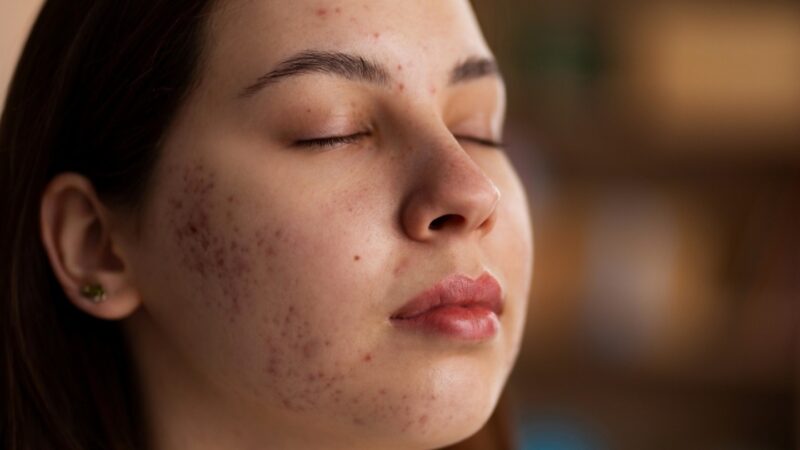
Common Symptoms of Toothpaste-Related Skin Damage
Reactions can appear within minutes or creep in hours later. Recognizing the pattern early helps you stop the damage before it scars.
Here is a quick reference comparing the most frequently reported symptoms and what they usually indicate.
| Symptom | Likely Cause | Severity |
| Redness and warmth | Irritant contact reaction | Mild |
| Stinging or burning | pH disruption, menthol | Mild to moderate |
| Dry, flaky peeling | Barrier stripping from SLS | Moderate |
| Small blisters or weeping | Allergic contact dermatitis | Moderate to severe |
| Dark patches after healing | Post-inflammatory hyperpigmentation | Long-term |
| Scabbing chemical burn | Hydrogen peroxide or baking soda | Severe |
The American Academy of Dermatology advises that any blistering, oozing, or pain that worsens over 24 hours should be evaluated by a professional rather than self-treated at home.
Who Is Most Likely to React
Not every skin type reacts the same way, but certain groups face much higher odds of a flare-up. Specialists at the British Association of Dermatologists have long warned that people with pre-existing conditions should never experiment with dental products on their face.
Those with rosacea, eczema, or psoriasis tend to react most intensely because their skin barrier is already compromised. People with sensitive or dry skin also struggle, since toothpaste pulls out the little moisture they retain.
Teens often get the worst of it. Their skin is already producing extra sebum, and layering harsh chemicals on an active pimple usually inflames the follicle further, slowing healing and deepening post-acne marks.
A Real-World Example
Dr. Joshua Zeichner, director of cosmetic and clinical research in dermatology at Mount Sinai Hospital in New York, has repeatedly told outlets like Allure and Glamour that he regularly sees patients with raw patches around the nose and chin after trying the toothpaste trick. Many mistake the resulting scab for a “deeper pimple healing” and reapply, which only compounds the irritation.
How to Calm Damaged Skin Fast
If you have already applied toothpaste and the area is throbbing, move quickly but gently. Rushing to scrub it off usually makes things worse.
Rinse the area with cool, not hot, water for several minutes to dilute the chemicals. Pat dry with a soft towel, avoiding any friction. Apply a thin layer of a bland, fragrance-free moisturizer containing ceramides, panthenol, or colloidal oatmeal, which the Mayo Clinic lists among the most soothing agents for irritated skin.
Skip actives like retinol, vitamin C, AHAs, and BHAs for at least five to seven days. Your barrier needs rest, not another challenge. A pea-sized dab of 1% hydrocortisone cream for no more than three days can reduce redness, but persistent burning calls for a dermatologist.
When to See a Professional
Book a consultation the moment you notice blistering, yellow crusting, spreading redness, or a burn that will not settle within 48 hours. These signs can point to secondary infection or deeper tissue damage that over-the-counter products cannot resolve on their own.
Safer Alternatives That Actually Work on Pimples
Here is the good news: several proven, inexpensive treatments are built specifically for acne-prone skin. They target pimples without demolishing your barrier.
- Benzoyl peroxide (2.5% to 5%) kills acne-causing bacteria and is considered a first-line option by the AAD.
- Salicylic acid (0.5% to 2%) dissolves oil inside clogged pores and is ideal for blackheads and whiteheads.
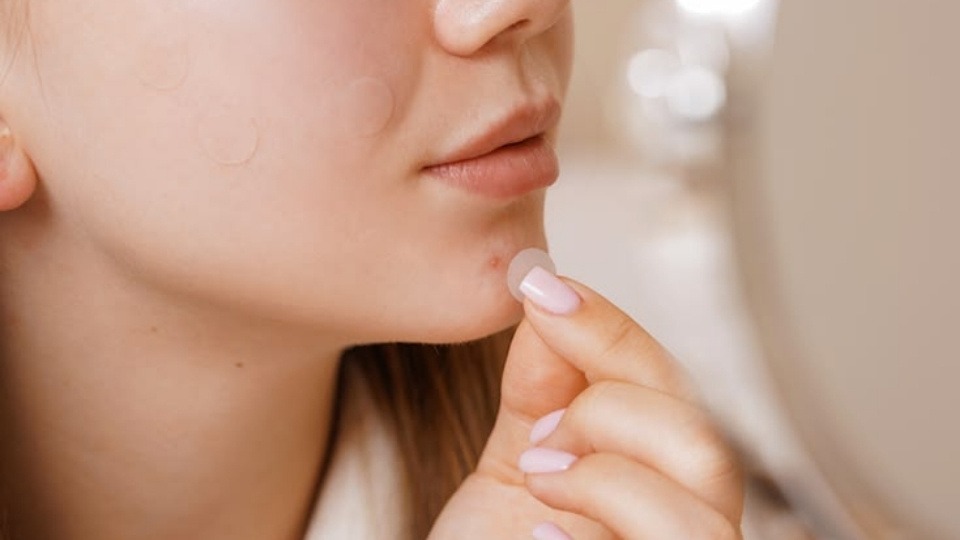
- Hydrocolloid pimple patches draw out fluid from whiteheads overnight and physically stop picking.
- Diluted tea tree oil (around 5%) has antimicrobial activity supported by research published in the Medical Journal of Australia.
- Azelaic acid (10% to 20%) reduces bumps and fades post-acne marks, as noted by the National Eczema Association and multiple dermatology reviews.
- Sulfur spot treatments calm pus-filled pimples with minimal irritation, even on reactive skin.
These options are widely available over the counter in drugstores and online. If you are pregnant, breastfeeding, or on prescription medication, always check with your doctor before starting a new active.
Prevention: Building a Smarter Skincare Routine
The best way to avoid toothpaste skin irritation is simply to stop using it on your face, but a solid daily routine also reduces the urge to panic-treat breakouts.
Cleanse twice a day with a gentle, non-stripping wash. Moisturize morning and night, even if your skin is oily, because dehydrated skin often overproduces sebum. Apply broad-spectrum SPF 30 or higher every morning, which the Skin Cancer Foundation confirms is the single most effective anti-aging and anti-scarring step you can take.
For persistent or cystic acne, booking a consultation with a board-certified dermatologist is worth every dollar. Prescription options like topical retinoids, clindamycin, or oral spironolactone outperform any home remedy and prevent the scarring that DIY tricks often cause.
Conclusion
Toothpaste skin irritation is not a rare fluke; it is a predictable reaction to ingredients that were never meant to touch your face. Sodium lauryl sulfate, fluoride, peroxide, and menthol are superstars in the bathroom mirror but bullies on your cheek. The burning, peeling, and dark spots that follow often outlast the original pimple by weeks.
Your skin deserves tools built for its unique biology. Swap the toothpaste tube for a targeted spot treatment, respect your barrier, and call in a dermatologist when breakouts refuse to budge.
If this guide helped clear things up, share it with a friend who is still defending the toothpaste trick, drop your own experience in the comments, and save it for the next time a late-night pimple tempts you toward the sink.
1. Can toothpaste permanently damage my skin?
Yes, repeated use can cause long-term issues such as post-inflammatory hyperpigmentation, broken capillaries, and even shallow scarring. Mild reactions usually heal within a week, but chemical burns may leave visible marks for several months.
2. How long does toothpaste irritation usually last?
A mild reaction typically fades in three to seven days with gentle care and barrier-repair products. More severe blistering or allergic contact dermatitis can take two to four weeks and often needs a prescription cream to resolve cleanly.
3. Is natural or herbal toothpaste safer for the face?
Not really. Even fluoride-free, herbal toothpastes contain essential oils, baking soda, or abrasive particles that can irritate facial skin. The formula is still designed for enamel, not for living, breathing tissue.
4. Does white toothpaste dry out pimples faster than gel formulas?
Neither is safe for the face. White pastes tend to contain more baking soda and peroxide, which can cause chemical burns, while gel versions hold alcohol and menthol that sting and inflame already angry skin.
5. What should I do if my child applied toothpaste to their face?
Rinse the area with cool water, apply a bland fragrance-free moisturizer, and avoid any active ingredients for a week. If blistering, severe redness, or significant pain develops, contact a pediatric dermatologist or your family doctor the same day.
6. Are hydrocolloid pimple patches really better than spot treatments?
For surface-level whiteheads, yes. These patches absorb fluid, shield the pimple from bacteria and picking, and contain zero harsh chemicals, making them one of the gentlest, most evidence-backed options currently on the market.