Herbs and butters skincare has become one of the fastest-growing corners of modern beauty, driven by consumers who want results without harsh synthetics. This guide breaks down the science, the best ingredients, and the real-world routines that dermatologists, clean-beauty formulators, and traditional-medicine practitioners agree on in 2026.
You will learn which plant butters truly repair the skin barrier, which herbs calm inflammation fastest, how to layer them morning and night, and where natural beauty still falls short compared with clinical actives.
Table of Contents
What Makes Herbs and Butters So Effective?
Plant-based butters supply fatty acids, triterpenes, and fat-soluble vitamins that closely resemble your skin’s own lipids. When paired with herbal extracts rich in antioxidants and phytochemicals, the combination supports hydration, calms irritation, and helps slow visible signs of aging.
Research indexed on the National Library of Medicine has repeatedly shown that botanical lipids such as shea and cocoa butter reduce transepidermal water loss and reinforce the skin barrier. Consumer demand reflects this shift: Grand View Research valued the global natural skin care market at roughly USD 7.5 billion in 2024, with strong double-digit growth projected through 2030.
The Science Behind Botanical Beauty
Natural Butters and the Skin Barrier
Your skin barrier is built from lipids such as ceramides, cholesterol, and essential fatty acids. Butters like shea, cocoa, and mango deliver oleic, stearic, and linoleic acids that help replenish this protective layer, which is essential for preventing moisture loss and sensitivity.
The American Academy of Dermatology notes that barrier repair is one of the most effective strategies for managing dryness, eczema, and reactive skin, and plant-derived emollients play a meaningful supporting role.
Herbal Phytochemicals That Calm and Repair
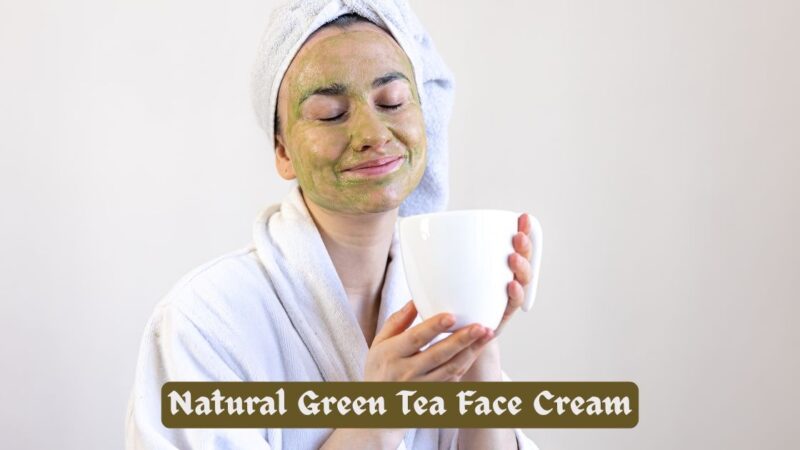
Many herbs used in skincare contain compounds with documented biological activity. Chamomile supplies bisabolol and chamazulene, both studied for their anti-inflammatory effects. Green tea is a well-documented source of EGCG, a polyphenol with antioxidant and photoprotective potential covered in detail by Harvard Health.
Calendula has long been used in wound care, and reviews published in the Journal of Ethnopharmacology highlight its contribution to tissue repair and reduced inflammation.
Top Natural Butters and Herbs Professionals Trust
Best Plant-Based Butters
- Shea butter: Rich in unsaponifiables; ideal for dry, mature, or eczema-prone skin
- Cocoa butter: High in stearic acid; supports elasticity and tone
- Mango butter: Lightweight and non-greasy; suits combination skin
- Kokum butter: Absorbs quickly; a favorite for acne-prone or oily skin
- Cupuacu butter: Humectant-like behavior; excels at long-term moisture retention
Best Herbal Ingredients
Among botanicals, five consistently earn praise from dermatologists and clean-beauty formulators: lavender for sensitive skin, chamomile for redness, calendula for healing, rosemary for circulation and anti-aging, and green tea for antioxidant defense.
Ingredient Comparison Table
| Ingredient | Category | Primary Benefit | Best For |
| Shea Butter | Butter | Barrier repair, deep hydration | Dry, mature skin |
| Cocoa Butter | Butter | Elasticity, rich feel | Stretch marks, dull tone |
| Mango Butter | Butter | Lightweight moisture | All skin types |
| Kokum Butter | Butter | Fast absorption, non-greasy | Oily, acne-prone skin |
| Chamomile | Herb | Calms redness and irritation | Sensitive, reactive skin |
| Calendula | Herb | Wound-healing support | Blemishes, irritation |
| Green Tea | Herb | Antioxidant defense | Aging, dull skin |
| Lavender | Herb | Balances and soothes | Reactive skin |
Building a Herbs and Butters Skincare Routine
Morning Practice
Start with a gentle herbal cleanser, follow with a botanical toner, and seal with a lightweight butter blend such as whipped mango or kokum butter mixed with a few drops of green tea extract. Finish with mineral sunscreen for daily protection.
Evening Practice
Nighttime is when your skin’s repair cycle peaks, making it ideal for richer treatments. A shea- or cocoa-based balm layered over chamomile-infused oil gives the barrier hours of uninterrupted recovery.
Weekly Boost
Once or twice a week, apply a nourishing mask made from raw whipped butter blended with calendula-infused oil. Leave it on for 15 to 20 minutes, then rinse with lukewarm water.
Natural vs Synthetic Moisturizers: Which Performs Better?
Clinical actives such as retinoids and alpha hydroxy acids excel at resurfacing and treating concerns like acne, hyperpigmentation, and wrinkles. Where botanicals truly shine is in soothing, barrier repair, and long-term skin resilience.
Many dermatologists now recommend a hybrid approach: use targeted actives for specific concerns, and use plant butters and herbal extracts as supportive hydration and calming layers. This combination tends to outperform either category used alone.
Real-World Tips From Formulators Using Herbs and Butters Skincare
Professional formulators who specialize in clean beauty consistently share a few practical insights. Quality sourcing matters more than trends, because refined versus unrefined butters behave very differently on the skin.
Layering order also influences performance. Water-based products such as toners and serums should go on first, followed by oils, then butters, because butters form an occlusive seal that locks in everything beneath them.
Finally, patch testing is non-negotiable. Apply any new botanical on the inner forearm for 24 hours before using it on the face, especially if it contains concentrated essential oils.
Potential Drawbacks and Safety Considerations
Natural products usually have shorter shelf lives, often 6 to 12 months, because they avoid aggressive preservatives. Some botanicals, particularly citrus-derived essential oils such as bergamot and lime, can trigger photosensitivity in sunlight.
Tree-nut allergies deserve attention, since shea is derived from a nut-like seed. The U.S. Food and Drug Administration recommends purchasing from transparent brands that clearly disclose sourcing, testing, and expiration dates.
Proper storage in a cool, dark place also extends the life of most plant-based products, particularly those without synthetic stabilizers.
Final Thoughts
Embracing it is a thoughtful long-term investment in healthier skin and a cleaner bathroom shelf. With patience, quality sourcing, and a small set of well-chosen botanicals, nature delivers reliable hydration, soothing comfort, and graceful aging support.
The real secret is consistency. A short, steady routine built around proven plant butters and time-tested herbs almost always outperforms a rotating lineup of trend-driven products, which is exactly why herbs and butters continue to earn its place in both traditional beauty wisdom and modern dermatological practice.
Is a botanical routine safe for sensitive skin?
Yes, provided you choose fragrance-free and essential-oil-free formulas. Always patch test first, and introduce one new ingredient at a time so you can identify any reactions.
Can natural butters clog pores?
Most refined butters sit low on the comedogenic scale. Heavier options like cocoa butter may not suit acne-prone faces, while mango and kokum butters are generally considered safer for oilier skin types.
How soon will I see visible results?
Hydration improvements often appear within one to two weeks. Changes in tone, firmness, and barrier resilience usually take four to eight weeks of consistent use.
Are plant-based products as effective as dermatologist-prescribed treatments?
For hydration, soothing, and barrier support, yes. For severe acne, melasma, or deep wrinkles, prescription actives remain more effective, ideally paired with gentle botanical support.
Can I make these products at home?
Basic balms and whipped butters can be prepared at home with raw ingredients. However, professionally formulated products offer superior stability, safe preservation, and tested shelf life.
Which butter is best for anti-aging?
Shea butter leads for mature skin thanks to its high vitamin E and unsaponifiable content, while cocoa butter supports elasticity. Pairing either with green tea or rosemary extract adds antioxidant protection.