If you have ever felt defeated by those tiny dark dots scattered across your nose, the blackhead remover green stick is probably already on your radar it has exploded across TikTok, Reddit skincare threads, and beauty YouTube over the past year.
I spent four full weeks putting this viral green mask stick through real daily life humid mornings, long work days, sweaty gym sessions, late-night cleansing routines to answer the only question that matters: does it actually clear clogged pores, or is it another social-media mirage?
This review blends my hands-on results with peer-reviewed dermatology research, so you walk away knowing exactly what to expect before spending a single dollar.
Table of Contents
What Is a Green Mask Stick, Really?
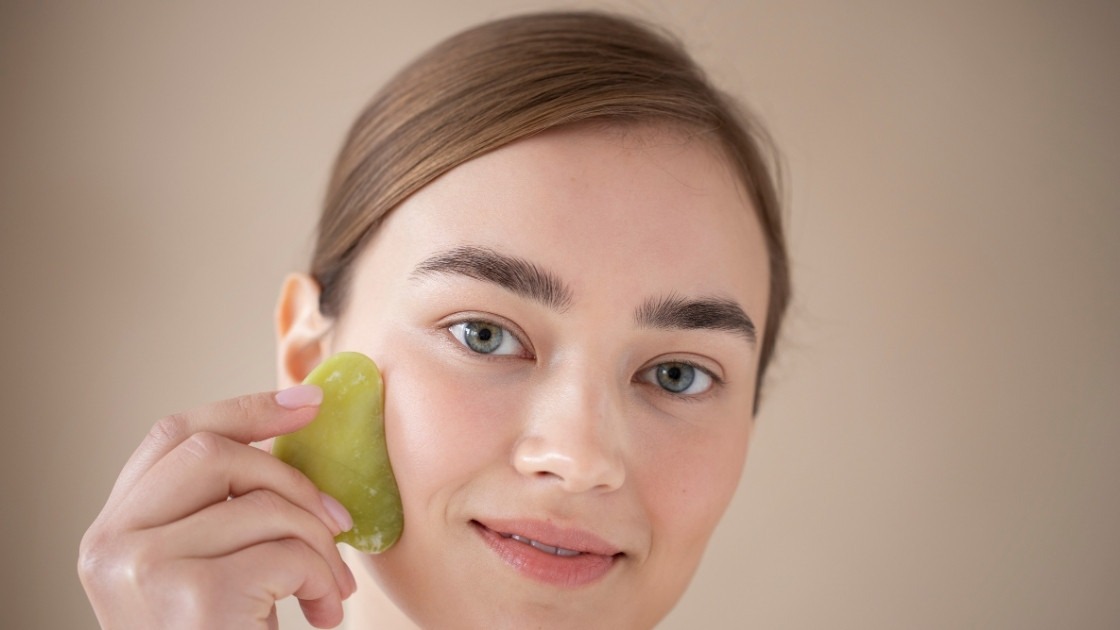
A green mask stick is a solid, twist-up pore-purifying balm designed for precision use on oil-prone zones typically the nose, chin, inner cheeks, and forehead. The format sits somewhere between a traditional clay mask and a glue-stick, which makes it travel-friendly and far less messy than scooping mud from a jar.
The green pigment usually signals the presence of botanical actives such as green tea leaf extract (Camellia sinensis), matcha powder, or chlorella. Many brands layer these with kaolin clay, bentonite, activated charcoal, niacinamide, and sometimes beta hydroxy acid.
Think of it as a targeted congestion-lifter rather than a full-face detox mask.
Why Blackheads Form (The Science You Actually Need)
Clearing them starts with understanding them. According to the American Academy of Dermatology, a blackhead is medically called an open comedo a hair follicle packed with dead skin cells and oil that stays open at the surface, allowing the trapped material to oxidize and turn dark.
The Cleveland Clinic confirms that the dark tip is the result of oxidation, not dirt which is why scrubbing harder never actually solves the problem.
The real drivers behind chronic congestion, as summarized by the Mayo Clinic’s acne overview, include excess sebum production, irregular shedding of dead skin cells, hormonal fluctuations (especially androgens), and a bacterium called Cutibacterium acnes that thrives inside oily follicles.
This is exactly why a good pore-cleansing stick aims to do three things simultaneously: absorb oil, loosen the dead-skin plug, and gently lift impurities without ripping skin.
Sebaceous Filaments vs. Blackheads You Might Be Treating the Wrong Thing
Here is something most reviews skip entirely. Those tiny, uniform grey dots on your nose are often not blackheads at all they are sebaceous filaments, a natural part of your pore lining.
As dermatologists at Harvard Health Publishing and similar medical references note, sebaceous filaments continuously refill with sebum and cannot be permanently removed, while true comedones are pathological and treatable. Knowing the difference stops you from over-exfoliating perfectly healthy skin.
A green mask stick will gently reduce both, but it will only visibly erase the real comedones.
Key Ingredients and Their Evidence-Based Roles
Here is a fast reference table so you can quickly read any product label.
| Ingredient | Role | Supporting Evidence |
| Green tea extract (EGCG polyphenols) | Anti-sebum, anti-inflammatory | A clinical trial published on PubMed Central found that a 3% green tea emulsion significantly reduced facial sebum over 60 days |
| Kaolin clay | Oil absorption | Widely used in dermatology-approved clay masks to draw out surface sebum |
| Activated charcoal | Surface purifier | Binds to dead cells and grime on the pore opening |
| Salicylic acid (BHA) | Exfoliates inside the pore | A Journal of the American Academy of Dermatology study showed that salicylic-acid regimens significantly reduced blackheads within four weeks |
| Niacinamide | Regulates oil, calms redness | Healthline’s dermatology content summarizes it as one of the most tolerated, pore-refining actives |
| Tea tree or centella | Soothes irritation | Supports the barrier during active-ingredient use |
Research indicates that tea polyphenols may inhibit 5-alpha reductase activity, which can lower androgen-driven sebum output a plausible mechanism behind green tea’s mattifying reputation, as described in a review on PubMed Central.
My Exact 4-Week Application Routine
Here is the step-by-step method that worked for me the only numbered list in this article, because sequence genuinely matters:
- Double cleanse with an oil cleanser first, then a gentle gel wash, to remove sunscreen and grime.
- Press a warm, damp microfiber cloth on the face for 90 seconds to soften the sebum plug.
- Twist the stick, glide a thin film across the nose, chin, and center forehead.
- Wait 10 to 12 minutes not until rock-hard, just set.
- Peel gently from the outer edge inward, then rinse residue with lukewarm water.
- Follow with a hydrating toner, a niacinamide serum, and a non-comedogenic moisturizer.
- In the morning, always finish with broad-spectrum SPF 30 or higher.
Skipping the steam step was my biggest rookie mistake in week one. It roughly doubled the visible lift once I added it.
Real Results at Weeks 1, 2, and 4
Week 1: Skin felt smoother and slightly less oily by evening, but no visible change in dark dots.
Week 2: Noticeable fading of the oxidized plugs on the nose tip and sides. My T-zone stayed matte about two hours longer than usual.
Week 4: The dotted look was visibly reduced, foundation sat more evenly, and my overall texture felt refined. What did not change: hormonal jawline breakouts and a few deeper closed comedones, which require in-office extraction according to Schweiger Dermatology Group.
Green Stick vs. Pore Strips vs. Traditional Clay Mask

Most people reach for one of these three here is how they genuinely compare.
| Feature | Green Mask Stick | Pore Strips | Traditional Clay Mask |
| Application | Targeted, mess-free | Fixed shape, nose only | Full-face, messy |
| Gentleness | Medium-high | Low (can stretch pores) | Medium |
| Long-term oil control | Good | Poor | Good |
| Cost per use | Low | Medium-high | Low |
| Best for | T-zone congestion | Quick surface fix | Whole-face oiliness |
| Barrier-friendly? | Usually yes | Often no | Depends on formula |
Consumer-health guidance from the American Academy of Dermatology consistently warns against aggressive mechanical removal which is where pore strips lose the most points.
Common Mistakes That Sabotage Results
Over-using the product (daily) thins the skin barrier. Leaving it on until crusty causes irritation. Using it on active pimples worsens inflammation. Skipping moisturizer afterward triggers rebound oil production. Ignoring SPF undoes weeks of progress by letting UV oxidize fresh sebum.
A pore-cleansing stick is a tool, not a cure the surrounding routine decides the outcome.
Who Should Try It and Who Should Skip It
Good candidates: people with oily or combination skin, visible T-zone congestion, mild to moderate blackhead formation, or a preference for precision over full-face masks.
Skip or consult a dermatologist first: anyone with active eczema, rosacea, broken skin, cystic acne, or pregnancy-related restrictions on salicylic acid.
Final Verdict and a Small Favor
After four honest weeks, my verdict on the viral green pore-purifying stick is genuinely positive with fair expectations. It won’t erase hormonal breakouts or permanently shrink pores, but for stubborn T-zone congestion in oily or combination skin, the blackhead remover green stick earns a real spot in a well-built routine.
Pair it with gentle cleansing, a BHA serum once or twice a week, daily moisturizer, and non-negotiable sunscreen, and you’ll see compounding results rather than a short-lived glow.
Your move: if this review helped, drop a comment with your skin type and the product you want me to test next. Share this with a friend battling blackheads, and tell me in the comments which ingredient deep-dive you’d like first salicylic acid, niacinamide, or retinoids.
1. Does the blackhead remover green stick actually work on the nose?
Yes, it noticeably reduces nose-area congestion for most oily and combination skin types within two to four weeks of consistent use. Results depend on application technique, frequency, and the surrounding routine, not on the stick alone.
2. How often should I use a green mask stick?
Two to three times weekly is the widely accepted sweet spot for most skin types. Daily use can strip the moisture barrier and trigger rebound oil production, which worsens congestion instead of fixing it.
3. Can I layer it with retinol or salicylic acid?
You can use all three in the same routine, but not in the same session. Alternate them across different days, always pair with a barrier-supporting moisturizer, and wear daily SPF since exfoliating actives raise sun sensitivity.
4. Will a pore stick remove sebaceous filaments permanently?
No. Sebaceous filaments are a natural feature of your pore lining and always refill with sebum. Consistent oil-balancing care can make them less visible, but permanent removal is not biologically possible.
5. Is it safe for sensitive or acne-prone skin?
It can be, but patch-test on your inner forearm for 24 hours first, avoid leaving it on longer than 10 minutes, and skip it entirely on inflamed pimples, eczema patches, or broken skin.
6. How does it compare with pore strips for blackhead removal?
A green mask stick is generally gentler and more barrier-friendly than pore strips, which physically rip the skin and can leave pores looking stretched. For long-term results on clogged pores, consistent stick use outperforms one-off strip sessions.