
Homemade skin care with honey has stood the test of time from Cleopatra’s royal beauty rituals to modern dermatology labs confirming what ancient cultures already knew. This golden, enzyme-rich ingredient delivers hydration, antibacterial protection, and anti-aging benefits that rival luxury serums costing a hundred times more.
In the next few minutes, you will learn why raw honey works on almost every skin type, which recipes actually deliver visible results, how to pick authentic honey over diluted jars, and how to tailor your beauty routine to specific concerns like acne, dryness, or dark spots. Every tip here is rooted in credible research and years of personal DIY experience.
Table of Contents

Why Honey Genuinely Works on Your Skin
Raw honey is not a wellness trend it is a clinically studied skincare ally. Research indexed on the National Institutes of Health platform highlights honey’s natural antibacterial, anti-inflammatory, and wound-healing properties. These qualities come from a unique blend of hydrogen peroxide, low pH, phenolic acids, and bee-derived enzymes.
Honey also functions as a humectant, which means it pulls moisture from the surrounding air into the deeper layers of your skin. That is why even a thin honey mask leaves your face feeling plumper and softer within minutes of application.
The beauty of homemade skin care lies in its adaptability. Dry, oily, sensitive, mature, or acne-prone honey works with your skin rather than against it. According to the Cleveland Clinic, honey has been used medicinally for centuries and continues to feature in modern wound dressings, including FDA-cleared Medihoney products used in hospitals worldwide.
A Brief Beauty History of Honey
Honey’s skincare legacy stretches back more than 4,000 years. Ancient Egyptian queens bathed in honey-milk mixtures to preserve their radiance. Greek physician Hippocrates prescribed honey for wounds, ulcers, and irritated skin. Both Ayurveda from India and Traditional Chinese Medicine embraced honey in beauty tonics for its cooling, healing energy.
Today, the Mayo Clinic recognizes medical-grade honey as a legitimate option for minor wound care a powerful reminder that science and tradition have finally aligned after thousands of years.
Key Benefits of Honey for Your Skin (Quick-Reference Table)
Here is a one-glance overview of what raw honey actually does for your face, body, and everyday beauty routine:
| Benefit | The Science Behind It | Best Suited For |
| Deep Hydration | Natural humectant action | Dry, flaky, dull skin |
| Antibacterial Protection | Slow release of hydrogen peroxide | Acne, breakouts, blemishes |
| Gentle Exfoliation | Bee-derived enzymes dissolve dead cells | Rough, uneven texture |
| Antioxidant Defense | Flavonoids neutralize free radicals | Mature, aging skin |
| Anti-Inflammatory Relief | Phenolic acids calm redness | Sensitive or reactive skin |
| Wound and Scar Healing | Promotes tissue repair | Acne marks, minor cuts |
| Natural Brightening | Enzymes even out tone over time | Dull, uneven complexion |
Best DIY Honey Recipes by Skin Type
One of the greatest perks of homemade skin care is how easily it adapts to any kitchen. Pair it with ingredients you already own for targeted, affordable results.
For Dry Skin Honey, Avocado & Olive Oil Mask
Mash a quarter of a ripe avocado, then stir in one teaspoon of raw honey and a few drops of extra-virgin olive oil. Apply to cleansed skin for 20 minutes, then rinse with lukewarm water. Avocado’s fatty acids combined with honey’s humectant action deliver deep, lasting hydration.
For Oily Skin Honey and Green Tea Balancing Mask
Steep a green tea bag, let it cool, then stir one teaspoon of brewed tea into a tablespoon of raw honey. Apply for 15 minutes. Green tea’s polyphenols, discussed by Healthline, help balance oil production while honey purifies without stripping the skin barrier.
For Sensitive Skin Honey and Oatmeal Soother
Blend two teaspoons of raw honey with one tablespoon of finely ground oats. Leave on for 15 minutes, then rinse. This gentle combination calms redness, reduces itching, and reinforces the skin’s protective barrier.
For Acne-Prone Skin Honey and Turmeric Spot Treatment
Mix half a teaspoon of turmeric powder with one teaspoon of manuka honey. Dab directly on blemishes for 10 minutes before rinsing. The American Academy of Dermatology notes that curcumin, turmeric’s active compound, carries recognized anti-inflammatory benefits.
For Mature Skin Honey, Banana & Vitamin E Mask
Mash half a ripe banana, add one teaspoon of honey, and squeeze in the contents of a single vitamin E capsule. Leave on for 20 minutes. This trio helps plump fine lines, brighten, and support a youthful glow.
Honey for Specific Skin Concerns
Honey for Acne and Stubborn Breakouts
Because homemade skin care with honey naturally targets bacteria, it integrates beautifully into acne routines. Manuka honey in particular carries a high methylglyoxal (MGO) rating, which Healthline describes as a key reason behind its unusually strong antibacterial reputation.
Honey for Dark Spots and Hyperpigmentation
When paired with lactic-acid-rich yogurt or a small amount of vitamin-C-loaded lemon juice (used at night and followed by SPF the next morning), honey can gradually soften discoloration. Slow, steady use over several weeks tends to outperform intense single treatments.
Honey for Eczema and Chronic Irritation
Harvard Health Publishing has explored honey as a topical option for certain mild inflammatory skin conditions. When skin is reactive, always pair honey with fragrance-free carriers like aloe vera gel or colloidal oatmeal.
Honey as a Natural Anti-Aging Ally
The antioxidants in raw honey neutralize free radicals linked to premature aging. Gentle, regular use supports the skin’s collagen structure a foundational pillar of any long-term anti-aging skincare plan.
Manuka, Raw, or Organic: How to Choose the Right Honey
The honey you pick can make or break your homemade skin care with honey journey. Not every jar on the grocery shelf is skincare-grade, and the differences matter more than most people realize.
Raw honey retains its enzymes, pollen, and antioxidants because it is never heated beyond hive temperature. Manuka honey, harvested primarily in New Zealand, is the gold standard for topical use thanks to high MGO and UMF (Unique Manuka Factor) ratings. Organic honey guarantees no pesticide residue, which makes it safer for regular facial application.
Commercial pasteurized honey loses most of its active potency during processing, so it is best reserved for your tea not your skincare routine.
How to Spot Fake Honey at Home
Diluted and counterfeit honey is unfortunately common in global markets. Try these quick kitchen tests before committing to a full-face application.
Drop a spoonful into a glass of water pure honey sinks and stays clumped, while fake honey dissolves. The thumb test is even simpler: real honey stays in place, fake honey runs off. Finally, the flame test a cotton wick dipped in authentic honey will burn, while moisture-heavy imitations will not.
Storage, Shelf Life, and Basic Hygiene
Keep your honey in a cool, dry cupboard away from direct sunlight. Always scoop with a clean, dry spoon water droplets can introduce bacteria and shorten shelf life. Mixed homemade recipes should be made fresh every time and never stored longer than 24 hours, even in the refrigerator.
Bonus: Honey for Hair and Scalp Health
Honey is not just for your face. Combine one tablespoon of raw honey with two tablespoons of coconut oil for a deeply conditioning hair mask. It softens frizz, boosts shine, and soothes a dry, itchy scalp effectively extending your natural beauty routine far beyond skincare alone.
Common Mistakes That Sabotage Your Results
Even natural skincare can backfire without the right approach. Watch out for these common DIY honey pitfalls:
- Using pasteurized or commercial honey that has lost its active enzymes
- Skipping a 24-hour patch test before trying any new recipe
- Layering honey with prescription retinoids or strong acids on the same night
- Applying honey with wet, dirty hands that introduce unwanted bacteria
- Leaving masks on for more than 25 minutes, which offers diminishing returns
- Storing pre-mixed recipes longer than a single day
- Continuing to use honey despite a known bee, pollen, or propolis allergy
Who Should Avoid Honey on Their Skin
While honey is gentle enough for most people, the American Academy of Dermatology advises caution for anyone with bee, pollen, or propolis allergies. Individuals managing diabetes, open cystic acne, or chronic conditions like severe rosacea should always consult a board-certified dermatologist before starting any new DIY skincare regimen.
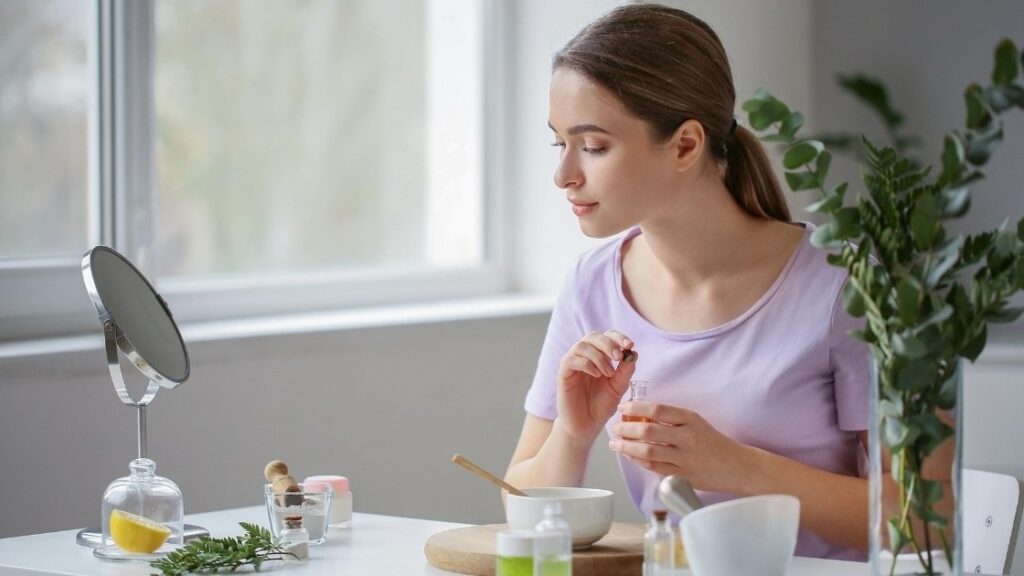
My Personal Experience With Honey Skincare
Speaking from six years of consistently weaving homemade skin care with honey into my weekly rituals, the most noticeable shift appears around the four-to-six-week mark. My skin holds hydration longer, redness fades faster after long workdays, and the fine lines around my eyes look visibly softer in photographs.
The biggest surprise came during a summer trip to the coast a simple honey and aloe mask calmed post-sun redness faster than any drugstore after-sun product I had tried. Like most things in skincare, patience plus consistency always beats intensity.
Conclusion: Your Glow Starts in the Kitchen
It is one of the most affordable, evidence-supported, and genuinely enjoyable beauty rituals you can build at home. From deep hydration and acne control to anti-aging and natural brightening, raw honey consistently delivers results that outperform many expensive off-the-shelf alternatives.
The secret is not complicated pick raw or manuka varieties, stay consistent for at least four to six weeks, patch test every new recipe, and let nature handle the rest. Your skin and your wallet will both thank you.
Ready to glow? Try one of the recipes above this weekend, then come back to the comments and tell us which mask became your new favorite. If this guide helped you, please share it with a friend who loves clean beauty, and subscribe for more dermatologist-informed DIY skincare tips every week.
1. Is homemade skin care with honey safe to use daily?
Yes, daily application is generally safe for most skin types, though two to three times per week usually delivers the best balance of results and comfort. Always run a 24-hour patch test first if you have sensitive skin or any bee-related allergies.
2. Which honey is best for face masks raw, organic, or manuka?
Manuka honey is considered the gold standard because of its high MGO and UMF ratings, while raw and organic honeys are excellent everyday choices. Avoid pasteurized commercial honey, since heat processing destroys most of its skincare-active compounds.
3. How long does it take to see visible results?
Most people notice improved hydration and softness after the very first use, but lasting changes in acne, tone, or texture typically appear after four to six weeks of consistent use. Regularity matters far more than a single intense treatment.
4. Can honey fade dark spots and acne scars?
Honey can help soften mild hyperpigmentation thanks to its gentle enzymatic exfoliation and antioxidant content. Pairing it with brightening partners like yogurt or a small amount of lemon juice can support gradual fading over several weeks.
5. Is it safe to leave honey on the face overnight?
Yes, many people apply a thin layer of raw honey overnight as a spot treatment or sleeping mask with excellent results. Protect your pillowcase with a clean towel, since honey can transfer slightly while you sleep.
6. Are there any side effects of DIY honey skincare?
Side effects are rare but may include redness, itching, or mild swelling in people with bee or pollen allergies. A 24-hour patch test on the inner wrist remains the safest way to rule out surprises before any full-face application.