
Bioglow skincare has rapidly moved from a niche clean-beauty conversation into one of the most searched gentle-care approaches of 2026, and for good reason it tackles three stubborn concerns at once: breakouts, dullness, and reactive skin. If you’ve bounced between aggressive acids, trendy multi-step routines, and minimalist moisturizers without finding balance, this guide will give you a clear, evidence-informed roadmap.
Over the next few minutes, you’ll learn what the bioglow method actually means in practice, which ingredients drive the results, how to sequence them correctly, and where this philosophy sits in today’s dermatology landscape. Every recommendation below is grounded in published guidance from recognized medical institutions, with no trend-chasing and no filler.
Table of Contents

What Is Bioglow Skincare?
It is best described as a hybrid philosophy that sits between clinical dermatology and clean beauty. Rather than chasing one single “hero ingredient,” it layers mild actives, humectants, and barrier lipids to restore skin function from the inside out. The goal is simple healthy skin that looks naturally luminous without needing heavy makeup or constant product-hopping.
According to the American Academy of Dermatology, the foundation of any effective regimen is gentle cleansing, daily moisturizing, and consistent sun protection. Those three pillars are the exact backbone the bioglow framework is built around, which is why it resonates with people who have damaged their barrier through over-exfoliation and with anyone searching terms like gentle skincare routine, minimalist skincare, or skin cycling method.
How Does it Actually Work?
The science rests on one central idea a functioning moisture barrier is the difference between glowing skin and chronically irritated skin. Your outermost skin layer, called the stratum corneum, is a matrix of cells held together by lipids such as ceramides, cholesterol, and fatty acids. When that matrix weakens, water escapes through a process called transepidermal water loss, and irritants slip in easily.
Research summarized on the National Library of Medicine’s PubMed Central indicates that restoring these three lipid classes in physiological ratios significantly improves barrier recovery and reduces visible inflammation. That’s why bioglow-style formulas prioritize ceramide complexes, cholesterol, and squalane over harsh surfactants or fragrant actives.
A study referenced by the Cleveland Clinic also highlights that barrier-supportive ingredients help reduce breakouts indirectly, because inflamed, leaky skin is more prone to clogged pores and post-inflammatory pigmentation. In plain terms, fix the barrier first, and acne, redness, and dullness all begin resolving on their own.
Is Bioglow Skincare Good for Acne-Prone Skin?
Yes, and often more effective long-term than aggressive acne regimens, because it doesn’t trigger the rebound oiliness that drying treatments cause. The Mayo Clinic notes that effective acne care combines gentle cleansing with non-comedogenic moisturizers, since disrupted skin heals slower when stripped of its natural lipids. This aligns directly with the bioglow approach to acne-prone skin.
On the active-ingredient side, niacinamide in the 4 to 10% range reduces visible redness and regulates sebum, zinc PCA calms inflammation without clogging pores, azelaic acid (when included) gently unclogs while brightening post-acne marks, and centella asiatica helps soothe the angry-red appearance of active pimples. The result is a routine that treats the underlying cause of recurring acne inflammation and barrier compromise rather than burning off the surface symptoms.
Can Bioglow Skincare Give You a Natural Glow?
Absolutely, though the glow comes from hydration and cellular turnover rather than shimmer particles or brightening highlighters. Hydrated skin reflects light more evenly, which is what creates the lit-from-within look most people chase. Data referenced by the Journal of Clinical and Aesthetic Dermatology suggests that consistent use of humectants and emollients visibly improves skin smoothness and tone within roughly four to eight weeks.
To maximize radiance with the bioglow method, layer a hyaluronic acid or polyglutamic acid serum on damp skin, follow with a niacinamide treatment to even tone, seal everything in with a ceramide moisturizer, and finish every morning with broad-spectrum SPF 30 or higher to prevent pigment breakdown. The Harvard Health Publishing platform reinforces that gentle, consistent care almost always outperforms DIY or aggressive alternatives when the goal is long-term luminosity.
Is Bioglow Safe for Sensitive Skin?
This is arguably where the approach shines the brightest. Reactive, easily irritated skin types often can’t tolerate traditional anti-acne or anti-aging routines, and bioglow skincare fills that exact gap. The U.S. Food & Drug Administration identifies synthetic fragrance as one of the most common triggers of cosmetic allergic reactions. Bioglow-aligned products are almost always fragrance-free, hypoallergenic, and formulated at a skin-friendly pH of 4.5 to 5.5.
Sensitive-skin essentials typically include panthenol (provitamin B5) for calming, colloidal oatmeal for soothing itch and redness, allantoin for surface healing, and madecassoside for reducing inflammatory pathways. If you experience rosacea, eczema, or contact dermatitis, consult a board-certified dermatologist before introducing any new routine, as that’s standard guidance from the AAD.
Key Ingredients in Skincare (Deep Dive)
Here’s a clean reference table you can bookmark before building your own routine:
| Ingredient | What It Does | Best For | Typical % |
| Niacinamide | Reduces redness, balances oil, strengthens barrier | Acne, oily skin, sensitivity | 4–10% |
| Ceramides | Rebuilds lipid matrix, locks in moisture | Dry, reactive, mature skin | 0.5–5% |
| Hyaluronic Acid | Holds up to 1,000× its weight in water | Dehydrated, dull skin | 0.5–2% |
| Panthenol (Vit B5) | Soothes and deeply hydrates | Redness, post-acne skin | 1–5% |
| Centella Asiatica | Anti-inflammatory, wound-healing | Irritation, rosacea-prone | 0.5–2% |
| Squalane | Mimics natural sebum, non-comedogenic | All skin types | 5–100% |
| Zinc PCA | Controls sebum gently | Oily, acne-prone | 1–2% |
| Azelaic Acid | Unclogs pores, fades marks | Acne, pigmentation | 10–20% |
| Polyglutamic Acid | Hydration up to four times stronger than HA | Mature, dehydrated skin | 0.1–1% |
| Madecassoside | Calms inflammation | Sensitive, stressed skin | 0.1–1% |
Each of these ingredients has decades of published cosmetic-science research supporting its use, which is why dermatology-focused publications consistently feature them in evidence-based skincare guides.
Step-by-Step Skincare Routine
Here is a beginner-friendly structure that aligns with the principles discussed above:
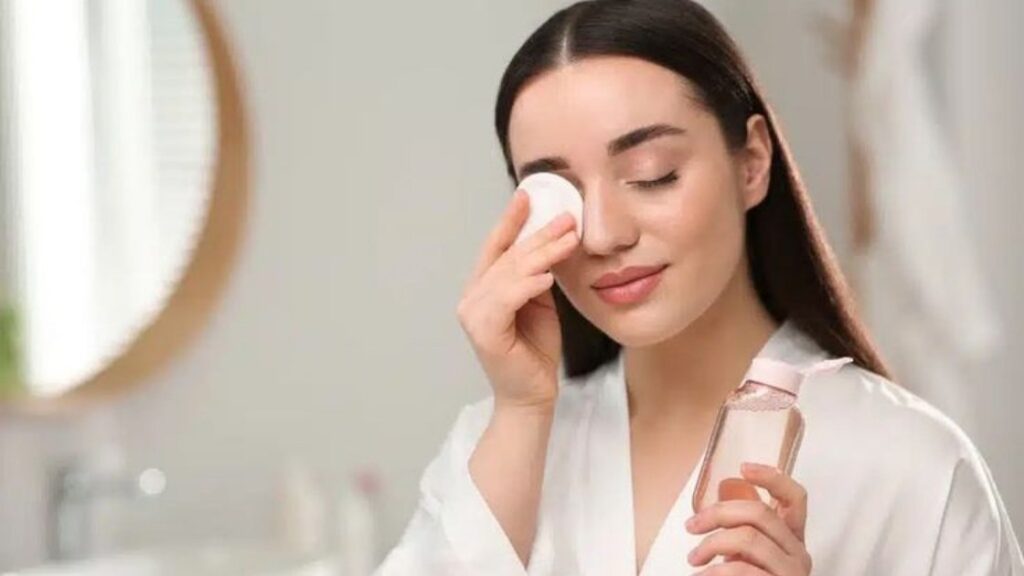
- Cleanse gently twice daily using a sulfate-free, low-pH cleanser in the 4.5 to 5.5 range.
- Tone with a humectant-rich essence containing glycerin, panthenol, or hyaluronic acid.
- Apply a targeted serum niacinamide in the morning, centella or azelaic acid at night.
- Layer a barrier-supporting moisturizer rich in ceramides, cholesterol, and fatty acids.
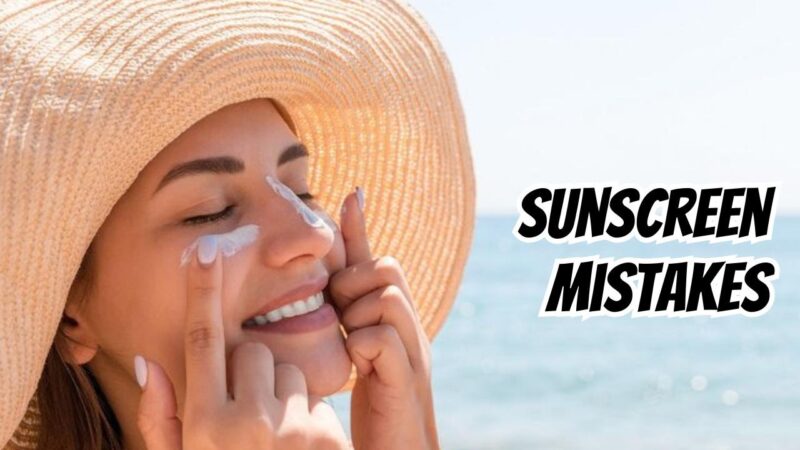
- Finish every morning with SPF 30 or higher, reapplying every two hours outdoors.
- Exfoliate gently two to three nights per week with PHA or mandelic acid once your skin feels stable.
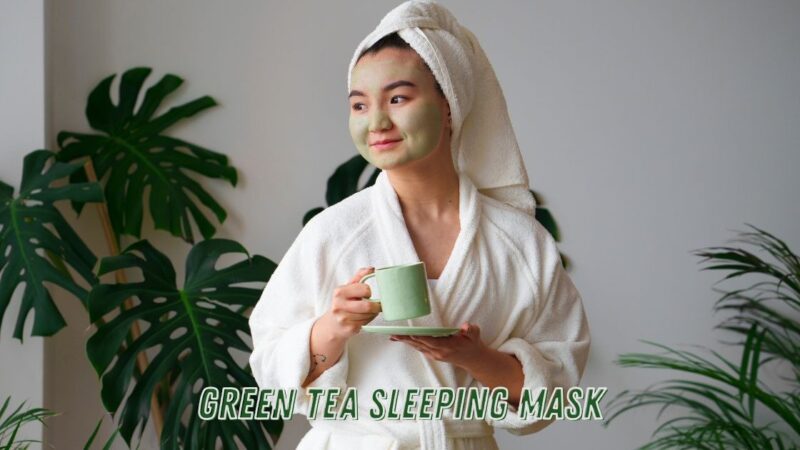
- Mask once weekly using a soothing or hydrating formula, and avoid clay masks more than once a week if you have dry or sensitive skin.
Give the full routine at least eight to twelve weeks before judging results. The Harvard Health Publishing platform notes that full skin cell renewal takes roughly 28 to 40 days and slows with age, so patience is genuinely non-negotiable.
Bioglow Skincare vs. Traditional Skincare Routines
This is where the difference becomes practical. Traditional routines often stack strong actives such as retinol, vitamin C, AHAs, and BHAs in pursuit of rapid transformation. They can work, but they frequently damage the barrier, especially for beginners. The bioglow framework flips the hierarchy hydration and barrier support come first, and actives are added only once the skin can tolerate them.
This approach mirrors what the British Association of Dermatologists consistently recommends: start simple, add slowly, and monitor response carefully. In practice, traditional routines tend to deliver fast results with a higher irritation risk and more product swapping, while the bioglow method delivers slower early wins but far better long-term resilience and noticeably fewer flare-ups.
Mistakes That Ruin Your Skincare Results
Even excellent products fail when layered poorly. The most common errors include over-exfoliating more than three times a week, stacking multiple actives on the same night (retinol plus vitamin C plus acids is a barrier-damage recipe), and skipping sunscreen, which the Skin Cancer Foundation confirms negates nearly every other step of your routine. Equally common is the habit of switching products every two weeks before a regimen has time to actually show results, as well as ignoring lifestyle factors like diet, sleep, and stress, which directly influence skin inflammation.
If your skin is currently inflamed, pause all actives for two to four weeks, focus only on cleansing, moisturizing, and SPF, then reintroduce ingredients one at a time. This is often the single most effective “reset” for stubborn reactivity.
Real Timeline: What to Expect Week by Week
Here’s an honest, realistic progression based on how barrier repair and cell turnover actually work. In the first two weeks, skin typically feels calmer and less tight after cleansing. By weeks three and four, redness reduces, texture smoothens, and early glow begins to show. Between weeks five and eight, breakouts decrease in frequency and severity while tone looks more even. By weeks eight to twelve, post-acne marks fade, sensitivity drops, and the glow becomes clearly visible. After four months of consistent use, most people experience full barrier recovery, reduced reactivity, and more stable skin even under stress. This timeline matches the natural cell turnover cycle documented by the National Institutes of Health.
Who Should Try Bioglow Skincare?
This method is particularly well-suited to the following groups:
- Anyone recovering from a compromised or over-exfoliated skin barrier
- Combination or hormonal acne sufferers who flare up with strong actives
- Sensitive skin types reactive to fragrance or essential oils
- Adults seeking preventive anti-aging care without aggressive peels
- Beginners overwhelmed by complicated multi-step routines
It is less essential for already-calm, clear skin that responds well to a minimalist regimen in those cases, don’t fix what isn’t broken.
Conclusion
It isn’t a single product line or a fleeting trend it’s a framework for treating your skin with the respect it deserves. By prioritizing barrier repair, hydration, gentle actives, and daily sun protection, this approach addresses acne, dullness, and sensitivity simultaneously, instead of forcing you to pick one battle at a time. The biggest takeaway is simple consistency beats complexity, and a clean three-to-five-step routine performed nightly will always outperform a ten-step regimen abandoned after a week.
If this guide made your routine clearer, share it with a friend who’s been struggling with breakouts or reactive skin, leave a comment below describing your current skincare challenges, and commit to one simple bioglow skincare habit this week. Your future, calmer, brighter skin will thank you.
Q1: Is it suitable for all skin types?
Yes, the gentle, barrier-first philosophy works across oily, dry, combination, and sensitive skin. Anyone with a diagnosed condition like rosacea, eczema, or cystic acne should still consult a board-certified dermatologist before starting a new regimen.
Q2: How long before bioglow shows visible results?
Most people notice calmer, smoother skin within three to four weeks and significant tone and texture improvement by weeks eight to twelve. This lines up with the 28 to 40 day skin cell turnover cycle referenced by Harvard Health Publishing, which naturally lengthens with age.
Q3: Can I combine bioglow with retinol or vitamin C?
Yes, but introduce one active at a time and always pair it with a barrier-supporting moisturizer. Starting with two or three applications per week allows your skin to build tolerance without triggering irritation or peeling.
Q4: Does bioglow help with acne scars and dark spots?
It fades post-acne marks gradually through ingredients like niacinamide, azelaic acid, and vitamin C. For deeper scars, clinical treatments such as microneedling or chemical peels performed by a licensed professional usually deliver faster, more visible results.
Q5: Is daily sunscreen really necessary with this approach?
Absolutely broad-spectrum SPF 30 or higher is non-negotiable. The Skin Cancer Foundation confirms that UV exposure drives a majority of visible skin aging and pigmentation, which would undo every other step of your routine.
Q6: Can men use bioglow?
Yes, because skin biology is essentially the same regardless of gender. Men often see faster results since their starting routines are simpler, and barrier-supportive products dramatically reduce post-shave irritation as an added bonus.