
Deep Impact Retinol Serum has quickly become one of the most talked-about anti-aging treatments among skincare lovers searching for a science-backed way to reverse the visible signs of aging. If crow’s feet, dull complexion, or stubborn hyperpigmentation have been weighing on your confidence, this vitamin A–based formula may be the fix your nighttime skincare routine has been missing.
As someone who has personally tested dozens of retinol serums over the past few years, I can say that not every bottle labeled “retinol” delivers the same results. What separates a truly effective wrinkle-smoothing serum from a marketing gimmick comes down to formulation, concentration, and proper delivery into the deeper layers of the skin.
Let’s break down exactly why this product is trending and how to get the most out of it.
Table of Contents

What Is Deep Impact Retinol Serum?
Deep Impact Retinol Serum is a concentrated anti-aging treatment designed to target fine lines, deep-set wrinkles, uneven skin tone, and age-related dark spots. Unlike surface-level moisturizers, this serum uses a potent form of vitamin A that reaches the dermis where real cellular change happens.
The formula is lightweight, fast absorbing, and best suited for nightly use. According to the American Academy of Dermatology, retinol is commonly used to improve uneven skin tone, pigmentation, and texture, which is why dermatologists consider it a cornerstone of modern anti-aging care.
How Does Retinol Actually Work in Your Skin?
The real magic of this wrinkle-fighting serum lies in its ability to communicate with your skin at a cellular level. Once applied, retinol converts into retinoic acid, the biologically active form that binds to receptors in your skin and triggers renewal.
A landmark study published in the New England Journal of Medicine found that topical tretinoin partially restored collagen formation in photodamaged skin, providing the scientific foundation for why retinoids remain the gold standard for anti-aging today.
Separately, a clinical trial in the Journal of Cosmetic Dermatology by Kong and colleagues (2016) showed that just four weeks of retinol treatment increased epidermal thickness and upregulated genes responsible for Type I and Type III collagen.
Boosting Collagen Production
Collagen depletion is one of the main drivers of wrinkle formation. A 2025 network meta-analysis published in Scientific Reports confirmed that retinol significantly improves both fine wrinkles and hyperpigmentation, making it one of the most dependable ingredients for everyday anti-aging skincare.
Fading Dark Spots and Hyperpigmentation
Retinol also disrupts the transfer of melanin, helping fade acne scars, sun damage, and melasma. According to a review published in Clinical Interventions in Aging, retinol reduces matrix metalloproteinase activity while stimulating fibroblast growth, a dual action that supports brighter, firmer skin.
Key Benefits at a Glance
Here’s a quick reference showing what users can realistically expect from consistent use of this vitamin A serum:
| Benefit | How It Works | Typical Timeline |
| Smoother fine lines | Boosts collagen and elastin synthesis | 8–12 weeks |
| Faded dark spots | Inhibits excess melanin transfer | 6–10 weeks |
| Refined pores | Accelerates cell turnover | 4–8 weeks |
| Brighter complexion | Sheds dull, dead skin cells | 2–4 weeks |
| Firmer skin texture | Thickens the dermal layer | 12–16 weeks |
The Cleveland Clinic notes that most users begin noticing visible improvements within three to six months of consistent nightly application not overnight so patience truly pays off.
Who Should Consider This Retinol Serum?
Not every skin type reacts the same way to a potent retinol-based treatment. Here’s a simple guide to help you decide:
| Skin Profile | Recommended? | Notes |
| Late 20s–40s with early aging signs | Yes | Ideal entry-level user |
| Oily or acne-prone skin | Yes | Helps unclog pores |
| Sensitive skin or rosacea | With caution | Start every third night |
| Pregnant or breastfeeding | Avoid | Vitamin A derivatives are not recommended |
| Active eczema flare | Avoid until healed | Can weaken the barrier further |
The AAD specifically warns that people with very sensitive, inflamed, or allergy-prone skin should speak with a board-certified dermatologist before starting any vitamin A derivative.
How to Apply Deep Impact Retinol Serum for Maximum Results
Correct application makes the difference between glowing results and unwanted irritation. Follow these six simple steps to get the most out of your anti-aging nighttime routine:
- Wash your face with a gentle, sulfate-free cleanser and pat completely dry before anything else.
- Wait about 10–15 minutes after cleansing so the serum does not sit on damp skin and cause stinging.
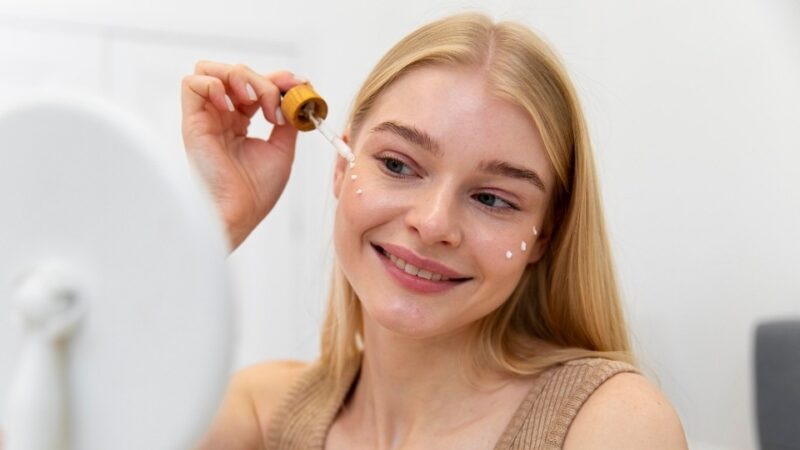
- Dispense a pea-sized drop of serum on your fingertip and dot it across your forehead, cheeks, chin, and neck.
- Gently press and blend the formula outward, avoiding the immediate eye area and corners of the mouth.
- Finish with a fragrance-free moisturizer containing ceramides or hyaluronic acid to protect your skin barrier.
- In the morning, always apply a broad-spectrum SPF 30 or higher to shield your newly sensitive skin from UV damage.
A practical tip from my own testing: try the “retinol sandwich” technique recommended by dermatologists on GoodRx Health layer moisturizer both before and after your serum if your skin feels easily irritated.
Tips for Beginners Starting a Retinol Routine
If you’re new to vitamin A derivatives, ease in slowly. According to guidance from the American Academy of Dermatology, starting with two to three nights per week allows your skin to build tolerance without triggering the dreaded “retinization” phase that causes flaking and dryness.
Pair your serum with a hydrating moisturizer and avoid layering it with other actives like vitamin C, AHAs, or BHAs on the same night. Combining too many actives can overwhelm your barrier and cause lingering redness.
Clinical research published by the American College of Osteopathic Family Physicians indicates that noticeable anti-aging results can take three to six months of consistent application. Sticking with the routine is the single biggest predictor of success.
Common Mistakes to Avoid
Many people quit retinol too early because they make avoidable errors. Skipping daily sunscreen is the biggest one, since retinol thins the stratum corneum and makes skin more prone to UV injury.
Using too much product, too often, is another common pitfall. A pea-sized amount is plenty for the entire face, as emphasized in the Journal of the American Academy of Dermatology.
Lastly, pairing retinol with strong chemical exfoliants on the same night can compromise your skin barrier. Alternate your actives on different nights for the best results.

What Results Can You Realistically Expect?
Clinical evidence suggests retinol delivers gradual, layered improvements rather than overnight transformation. In studies referenced in the 2025 Scientific Reports meta-analysis, retinol produced significant reductions in fine wrinkles and meaningful improvements in skin tone after roughly 12 weeks of nightly use.
Based on my own experience with similar formulations, week four usually brings smoother texture, week eight reveals lightened dark spots, and week twelve shows firmer, more even-toned skin.
Conclusion
Deep Impact Retinol Serum stands out as a dependable, science-supported ally in the fight against the visible signs of aging. By stimulating collagen synthesis, accelerating cell turnover, and fading stubborn pigmentation, it delivers the kind of real, long-term transformation that surface-level creams simply can’t match.
Whether you’re launching your first anti-aging skincare routine or upgrading an existing regimen, consistency, gentle application, and diligent sun protection will unlock the best possible results.
Ready to take your nightly skincare routine to the next level? Try adding this retinol-based treatment to your regimen for at least 12 weeks and share your before-and-after experience in the comments below. If this guide helped you, pass it along to a friend curious about vitamin A serums too. Your glowing, youthful skin journey starts tonight.
1. How long does it take to see results from Deep Impact Retinol Serum?
Most users begin noticing smoother texture and a brighter complexion within four to six weeks. According to the Cleveland Clinic, significant improvements in fine lines and hyperpigmentation typically require three to six months of consistent nightly use.
2. Can I use Deep Impact Retinol Serum every night as a beginner?
It’s best to start with two or three nights per week and slowly increase frequency as your skin builds tolerance. The American Academy of Dermatology recommends this gradual approach to minimize redness, peeling, and dryness during the adjustment phase.
3. Should I apply moisturizer before or after the serum?
Apply the serum first on clean, fully dry skin, then follow up with a hydrating moisturizer to lock in benefits. If you have sensitive skin, try the “retinol sandwich” method by layering moisturizer both before and after the serum.
4. Is it safe to use retinol during pregnancy?
No, retinol and other vitamin A derivatives should generally be avoided during pregnancy and breastfeeding. Dermatology guidance widely advises expecting mothers to switch to pregnancy-safe alternatives such as bakuchiol or peptides until after weaning.
5. Do I really need sunscreen while using a retinol serum?
Yes, sunscreen is non-negotiable. Retinol increases photosensitivity, and the American Academy of Dermatology recommends a broad-spectrum SPF 30 or higher every morning to protect your skin and preserve the benefits of your nighttime routine.
6. Can I combine retinol with vitamin C or AHAs?
You can use them, but not in the same routine. Apply vitamin C in the morning and retinol at night, and avoid pairing retinol with AHAs or BHAs on the same evening to prevent barrier damage and irritation.