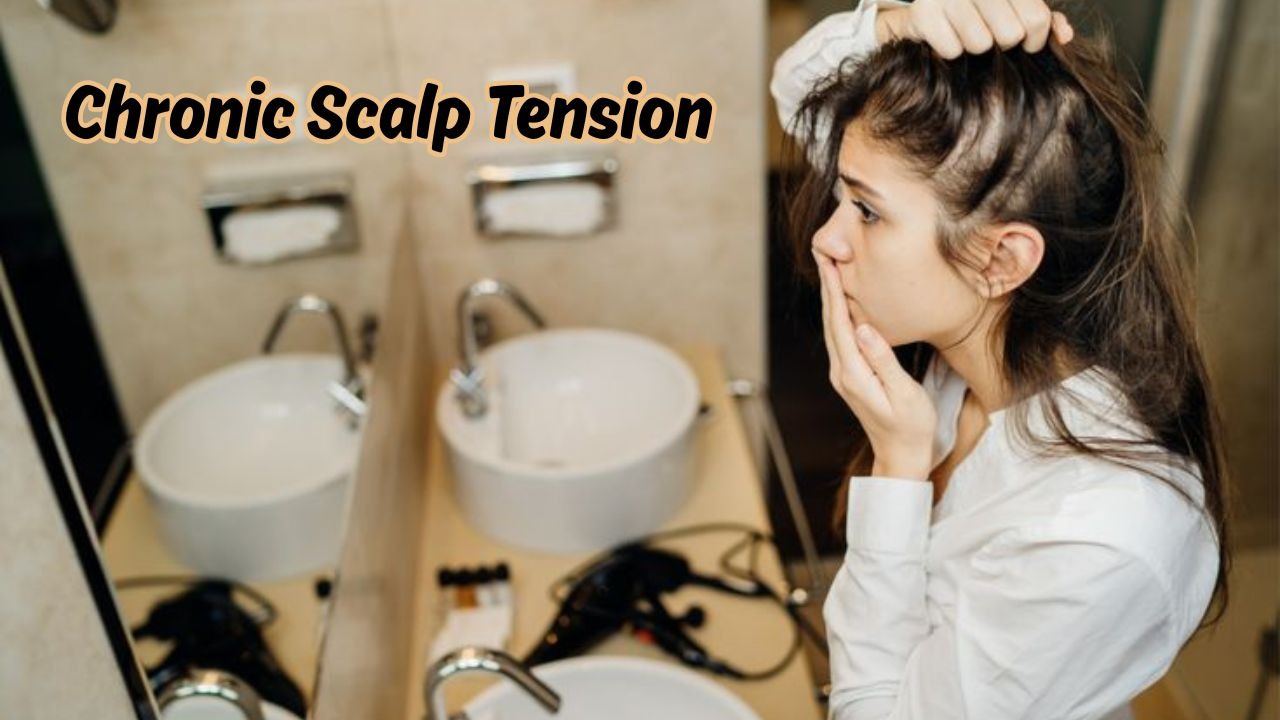
Chronic scalp tension affects millions of people worldwide, creating persistent discomfort that can disrupt daily life and diminish overall wellbeing. This frustrating condition often manifests as a constant tightness across the forehead, temples, or the back of the skull.
Living with chronic scalp tension means dealing with more than just occasional headaches. Many sufferers experience muscle tightness, scalp tenderness, and even hair follicle sensitivity that makes simple tasks like brushing hair painful. The good news? Gaining insight into this condition opens the door to effective, long-term relief.
In this comprehensive guide, we’ll explore the root causes behind persistent scalp discomfort, recognize warning signs, and discover proven treatment options and natural remedies that actually work. Whether you’ve struggled for months or years, effective solutions exist.
What Is Chronic Scalp Tension?
Chronic scalp tension refers to persistent tightness and discomfort affecting the muscles and tissues covering the skull. Unlike occasional headaches that come and go, this condition creates ongoing pressure that can last for weeks, months, or even years. The sensation typically feels like a tight cap pressing against your head or a constant pulling sensation across the scalp.
This condition develops when the scalp muscles remain contracted for extended periods. The frontalis muscle across the forehead, temporalis muscles at the temples, and occipitalis muscle at the back of the head are commonly involved. When these muscles stay tensed, they reduce blood flow and create that familiar squeezing sensation many sufferers describe.
How Does It Differ From Regular Headaches?
While tension headaches share some similarities, chronic scalp tension specifically involves the external muscles and fascia covering the skull rather than internal head pain. Many people experience both conditions simultaneously, which can make diagnosis challenging. The scalp itself often feels sore to touch, and even gentle pressure can cause discomfort.
Common Causes Behind Persistent Scalp Tightness
Understanding why your scalp remains tense helps identify effective solutions. Multiple factors contribute to this uncomfortable condition.
Physical Contributors
Poor posture ranks among the leading causes of scalp muscle problems. Hours spent hunched over computers or looking down at phones strain the neck and scalp muscles. This forward head position creates a chain reaction of tension that travels upward to the skull.
- Prolonged computer or desk work without breaks
- Sleeping positions that strain neck muscles
- Teeth grinding or jaw clenching during sleep
- Eyestrain from screens or uncorrected vision problems
- Physical injuries to the head, neck, or shoulders
Emotional and Psychological Factors
Stress and anxiety profoundly impact muscle tension throughout the body, including the scalp. When you feel overwhelmed, your body naturally tenses up as part of the fight or flight response. Over time, this repeated tensing becomes habitual, and muscles forget how to fully relax.
Emotional stress causes many people to unconsciously raise their eyebrows, furrow their brows, or clench their jaw. These repetitive movements exhaust scalp muscles and maintain constant tension.
Recognizing the Symptoms
Chronic scalp tension presents various symptoms that extend beyond simple tightness. Recognizing these signs helps you seek appropriate treatment sooner.
Common symptoms include scalp sensitivity where even light touch feels uncomfortable. Many people report difficulty wearing hats, headbands, or even glasses due to increased pressure sensitivity. Hair tenderness at the roots is another frequent complaint, making hairstyling painful.
Additional warning signs include:
- Dull, aching pressure across the forehead or temples
- Tightness that worsens throughout the day
- Difficulty concentrating due to constant discomfort
- Neck and shoulder stiffness accompanying head tension
- Tingling or crawling sensations across the scalp

Effective Treatment Options
Managing chronic scalp tension requires a multifaceted approach combining professional treatments with self care strategies.
Professional Interventions
Physical therapy offers targeted exercises that release tight scalp muscles and improve posture. Therapists can identify specific movement patterns contributing to your tension and develop personalized correction plans. Massage therapy focusing on the scalp, neck, and shoulders provides significant relief for many sufferers.
Some individuals benefit from trigger point injections or muscle relaxants prescribed by healthcare providers. These medical interventions work best when combined with lifestyle modifications.
Home Remedies and Self Care
Scalp massage techniques performed regularly can dramatically reduce muscle tightness. Using fingertips to apply gentle circular pressure across the entire scalp increases blood flow and encourages muscle relaxation. Spending just five minutes daily on self massage makes a noticeable difference.
Heat therapy using warm towels or heating pads relaxes contracted muscles effectively. Applying warmth to the back of the neck and scalp before bed helps many people sleep more comfortably.
Lifestyle Modifications
Addressing chronic scalp tension long term requires examining daily habits. Regular stretching exercises for the neck and shoulders prevent tension from building. Taking frequent breaks during desk work allows muscles to reset. Practicing stress management techniques like deep breathing or meditation interrupts the tension cycle before muscles lock up.
Conclusion
Chronic scalp tension doesn’t have to control your life. By understanding the underlying causes, whether poor posture, emotional stress, or muscle imbalances, you can take meaningful steps toward lasting relief. Combining professional treatments like physical therapy and massage with consistent self care practices creates the best outcomes.
Remember that healing takes time and patience. Start with small changes such as regular scalp massage, proper stretching exercises, and effective stress management. Listen to your body and consult healthcare professionals when symptoms persist. With the right approach, you can finally experience the comfort and freedom from persistent scalp tightness you deserve.