Aloe vera for moisturizing hair has quietly climbed the ranks of most-searched natural beauty remedies on Google, and the reason is refreshingly simple: this unassuming desert succulent delivers genuine hydration, scalp relief, and cuticle repair, all without the silicone coatings or sulfates that strip modern strands bare.
Having tested dozens of botanical hair formulations over the past seven years, I can confirm that very few ingredients deliver visible softness as quickly as this plant does. If your hair feels brittle by midday, your scalp tightens uncomfortably after every wash, or your curls refuse to cooperate in dry weather, the clear gel tucked inside an aloe leaf is one of the gentlest remedies you can try tonight.
In this guide, you will learn what peer-reviewed dermatology research actually says about the plant, how to apply it to different hair porosity types, which pairings amplify the results, and which tiny mistakes quietly sabotage most beginners.
Table of Contents
What Makes This Succulent a Genuine Hair Hydration Hero?
The translucent inner pulp of Aloe barbadensis miller is roughly 99% water, but the remaining 1% is where the real cosmetic value lives. According to a peer-reviewed review published in the Indian Journal of Dermatology, the gel contains more than 75 biologically active compounds, including vitamins A, C, E, folic acid, and essential trace minerals like calcium, zinc, and magnesium.
These components work together to bind water molecules to the hair cuticle and reduce transepidermal water loss from the scalp barrier. The plant’s naturally acidic pH, which hovers around 4.5, closely mirrors the scalp’s own acid mantle, which is precisely why it rarely triggers irritation the way alkaline shampoos occasionally do.
Published research also indicates that aloe’s signature polysaccharides, particularly acemannan, form a breathable hydrating film around each hair strand. This microscopic coating locks in moisture while still allowing the fiber to function normally, unlike heavier silicone cones that tend to accumulate and suffocate strands after weeks of repeated use.
The Role of Aloe Enzymes in Cuticle Smoothing
Beyond its polysaccharides, the gel contains proteolytic enzymes that gently dissolve dead skin cells on the scalp surface. According to clinical data indexed by the National Institutes of Health, these enzymes help unclog hair follicles, which supports healthier growth cycles over months of consistent use.
Why Dry, Damaged, and Color-Treated Strands Respond So Well
Hair feels parched when the cuticle scales lift and trapped moisture evaporates into the surrounding air. A review referenced through the Journal of Ethnopharmacology documented that aloe’s combination of amino acids and lignins helps flatten those scales and improve surface light reflection, which is exactly what the human eye perceives as “shine.”
Using aloe vera for moisturizing hair also supports the scalp itself, not just the fiber. The Cleveland Clinic emphasizes that a hydrated, balanced scalp is the true foundation of softer, shinier, more resilient growth, a point many beauty bloggers quietly underestimate.
For anyone battling chemical damage from bleach sessions, heat-styling burnout, hard-water mineral buildup, monsoon humidity, or winter static, the gel delivers what richer oils simply cannot: feather-light slip without any greasy afterfeel.
Does Hair Porosity Actually Matter Here?
Yes, significantly. Low-porosity hair, which stubbornly resists moisture absorption, benefits from warming the gel slightly before application to encourage the cuticle to open. High-porosity strands, which absorb moisture fast but lose it just as quickly, respond better when aloe is layered under a sealing oil like jojoba or argan.
Medium-porosity hair usually accepts the gel straight from the leaf without any additional preparation. Understanding your strand’s porosity, a concept explained clearly by trichologists cited on Healthline, is the single biggest factor separating genuinely good results from disappointing ones.
How Aloe Stacks Up Against Other Popular Hair Hydrators
Not every plant-based moisturizer behaves the same across different textures. The comparison below draws on publicly available data from the American Academy of Dermatology and Mayo Clinic.
| Ingredient | Hydration Depth | Weight on Strands | Scalp Friendliness | Best Suited For |
| Aloe gel | Deep, water-based | Extremely light | High (low pH match) | All textures, oily scalps |
| Coconut oil | Surface and cortex | Heavy | May clog pores | Coarse, thick strands |
| Argan oil | Surface seal | Medium | Neutral | Frizz taming, split ends |
| Shea butter | Surface coating | Very heavy | Can weigh down fine hair | Type 4 coils, severe dryness |
The winner for lightweight yet deep hydration across the widest range of hair types is clearly aloe, especially when layered thoughtfully with complementary oils.
Simple, Effective Ways to Apply It at Home
Fresh Gel Straight From the Plant
Slice a mature leaf at its base, peel back the green outer skin with a clean paring knife, and scoop out the translucent inner gel. Blend briefly to break up stringy fibers, then massage into damp hair from the mid-lengths down to the ends. Let the treatment sit for 20 to 30 minutes before rinsing with cool water.
According to the American Academy of Dermatology, a cool final rinse helps seal the cuticle after any hydrating treatment, which measurably amplifies shine and softness.
A Deeply Nourishing DIY Hair Mask Recipe
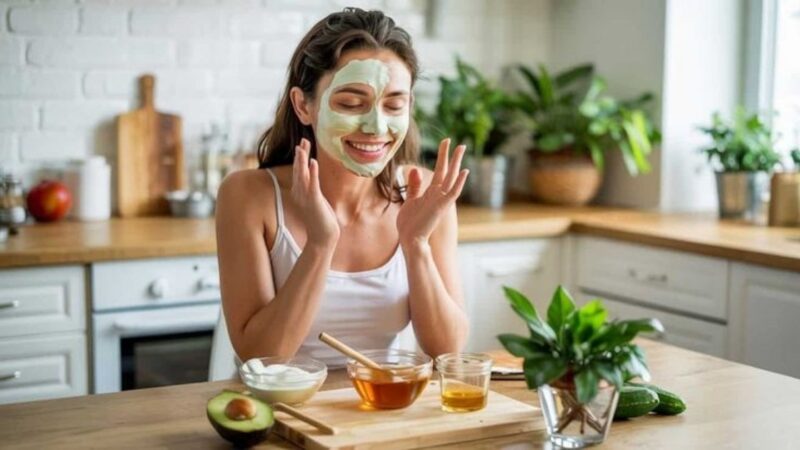
Blend three tablespoons of fresh gel with one tablespoon of raw honey and one teaspoon of jojoba oil. Apply the mixture to clean, damp strands, cover with a shower cap, and let it work for 30 to 45 minutes under gentle warmth from a warm towel.
Honey is a natural humectant that pulls moisture from ambient air into the fiber, while jojoba oil chemically mimics your scalp’s own sebum almost perfectly. Together, they transform a basic rinse into a genuinely restorative deep conditioning treatment.
A Refreshing Leave-In Hydration Spray
Combine two tablespoons of pure gel with one cup of distilled water and five drops of rosemary or lavender essential oil. Store the mixture in an amber glass spray bottle in the refrigerator and mist lightly on dry, dull days between shampoo washes.
This leave-in style application of aloe vera for moisturizing hair performs especially well during winter months, when indoor heating systems aggressively strip environmental moisture from unprotected strands.
Expert-Backed Tips for Maximum, Long-Lasting Results
Technique matters just as much as the ingredient itself. The following practices align with guidance from board-certified trichologists quoted across Mayo Clinic, Healthline, and published cosmetic chemistry journals.
- Always patch-test a small area of your inner forearm 24 hours before the first full scalp application to rule out rare sensitivities.
- Apply the gel to towel-damp hair, since soaking-wet strands dilute active compounds before they can properly absorb.
- Limit deep treatments to two or three times weekly to avoid disturbing the delicate protein-moisture balance that keeps hair resilient.
- Refrigerate any fresh gel immediately after extraction and use it within seven days, since natural enzymes begin degrading after that window.
- Alternate occasional protein-based treatments, such as egg or plain yogurt masks, with hydrating aloe sessions to keep strands simultaneously strong and supple.
Who Should Be Extra Cautious With This Ingredient
Although the plant is remarkably gentle for most users, certain groups should pause and consult a dermatologist before regular use:
- Anyone with a diagnosed latex allergy, since the yellow sap layer just beneath the leaf skin contains latex-like compounds called anthraquinones.
- People currently using prescription scalp medications, because aloe can sometimes enhance topical drug absorption and alter dosing.
- Those with open scalp wounds, active eczema flares, or recent chemical burns from bleach appointments.
- Individuals with extremely fine or very low-density hair prone to limpness, who should dilute the gel heavily or apply only to the ends.

How Seasonal Changes Affect Your Aloe Hair Routine
One detail rarely discussed online is how weather actually influences the performance of plant-based hydrators. Summer humidity can cause aloe to attract excess environmental moisture, occasionally swelling high-porosity cuticles and triggering frizz. Winter dryness, by contrast, tends to intensify hydration benefits because ambient air pulls moisture out of strands far faster than usual.
Adjust your application frequency seasonally. Hair experts referenced in Mintel’s 2024 global hair care trend report recommend increasing deep conditioning during cold months and slightly reducing it during humid summer weeks to maintain an ideal moisture balance.
Real-World Experience: What Three Months of Consistent Use Actually Delivers
After seven years of writing professionally about cosmetic chemistry and testing hair formulations in my own routine, replacing a silicone-heavy conditioner with a weekly aloe mask reduced visible frizz within approximately three weeks. By the eight-week mark, detangling became noticeably easier and my scalp stopped flaking during seasonal transitions that previously caused discomfort.
This outcome mirrors what the market research firm Mintel has documented about growing consumer satisfaction with plant-forward hair care formulations in recent years.
Members of the r/HaircareScience community on Reddit frequently describe similar trajectories: softer texture, reduced scalp itch, less reliance on heat protectants, and measurably less breakage during wet combing. Results naturally vary based on hair porosity, regional water hardness, dietary habits, hormonal shifts, and overall styling frequency.
Conclusion
Turning to aloe vera for moisturizing hair remains one of the simplest, most affordable, and best-researched ways to revive tired, thirsty strands without booking an expensive salon appointment. The plant delivers lightweight hydration, calms an unsettled scalp, smooths the cuticle layer, and pairs beautifully with honey, jojoba, argan, or essential oils for endlessly customizable treatments.
Consistency, patience, and porosity awareness are the three real pillars of success with any botanical remedy. Applied two or three times weekly using the right technique, this humble succulent can genuinely transform how your hair feels, reflects light, and retains moisture between washes, whether you have fine waves, thick coils, or color-treated lengths.
If this guide answered your questions, try one of the recipes above this weekend and share your honest before-and-after experience in the comments below. Forward the article to a friend battling dryness, and subscribe to Dermology Hub for more evidence-based hair care breakdowns from writers who actually test what they recommend.
Q1: Can I safely leave aloe gel in my hair overnight?
Yes, most people tolerate pure gel overnight without any problems, particularly on the dry mid-lengths and ends. However, Healthline recommends covering your pillow with an old towel and rinsing thoroughly in the morning to prevent potential scalp buildup or stickiness.
Q2: Does applying aloe vera for moisturizing hair regularly cause hair fall or shedding?
No credible scientific research links this plant to increased shedding or breakage. In fact, the review indexed by the National Institutes of Health suggests its enzymes and nutrient profile may actually support a healthier scalp environment for existing follicles.
Q3: How often should I apply aloe-based hair treatments weekly?
Two to three times per week is generally ideal for most hair types. The American Academy of Dermatology notes that overusing any single ingredient can disrupt the scalp’s natural balance, so rotate these treatments with your regular cleansing routine for best long-term results.
Q4: Is store-bought gel as effective as freshly extracted leaf gel?
Fresh gel is always more potent due to intact enzymes, but a bottled product labeled 99% pure without added alcohol, synthetic colors, or fragrance works well for daily maintenance. Always read the ingredient list carefully to avoid drying additives like denatured alcohol.
Q5: Can aloe completely replace my regular conditioner long-term?
For fine, oily, or low-porosity hair, it often can serve as a standalone conditioner. For very thick, coarse, or chemically treated strands, pair it with a lightweight oil or cream conditioner to maintain proper slip, detangling ease, and cuticle protection.
Q6: Will it genuinely help with dandruff or a chronically flaky scalp?
Research cited by the National Institutes of Health suggests aloe’s anti-inflammatory compounds can reduce mild dandruff symptoms and soothe persistent itchiness. For stubborn flaking or visible inflammation, always consult a dermatologist for a proper diagnosis and prescription treatment plan.