Argan oil and seborrheic dermatitis have quietly become a popular search duo for anyone tired of greasy flakes, chronic itching, and the frustrating cycle of scalp flare-ups that never fully disappear.
This guide breaks down what the science actually says, which symptoms respond best, how to apply the oil without making things worse, and when you absolutely need to see a licensed dermatologist. You’ll also get a realistic timeline, ingredient buying criteria, and honest answers to the questions people search for most.
Table of Contents
Quick Snapshot: Is Argan Oil Worth Trying?
| Question | Short Answer |
| Does it cure the condition? | No it supports comfort, not a cure |
| Can it reduce flaking? | Yes, for mild to moderate cases |
| Is it safe long-term? | Generally yes, unless tree-nut allergic |
| Should it replace medicated shampoo? | No use alongside treatment |
| How fast does it work? | Often 3–6 weeks of consistent use |
Understanding Seborrheic Dermatitis First
What Exactly Is It?
Seborrheic dermatitis is a long-lasting inflammatory skin disorder that produces oily scales, stubborn itching, and patchy redness in sebum-rich zones. The American Academy of Dermatology confirms the condition commonly appears on the scalp, face, eyebrows, and chest.
Unlike ordinary dandruff, it involves actual skin inflammation rather than just dry flaking.
What Causes It?
Researchers published through the National Institutes of Health point to an immune overreaction against Malassezia yeast a microbe living naturally on everyone’s skin that triggers problems in sensitive individuals.
Common triggers include stress, cold-dry weather, hormonal shifts, and weakened immunity.
Who It Affects
According to DermNet New Zealand, adult seborrheic dermatitis affects a notable slice of the global population, with men experiencing it slightly more often than women.
Infants can also develop a related form called cradle cap.
Why Argan Oil Gets Attention in Scalp Care
The Oil Behind the Hype
Harvested from the kernels of Morocco’s Argania spinosa tree, this golden liquid has been used by Amazigh (Berber) communities for generations. Modern cosmetic science values it for its high concentration of tocopherols, polyphenols, and unsaturated fatty acids.
Argan Oil’s Key Active Compounds
| Compound | Approximate % | Why It Matters for Scalps |
| Oleic Acid (Omega-9) | 42–48% | Softens skin, improves absorption |
| Linoleic Acid (Omega-6) | 30–36% | Supports barrier repair |
| Palmitic Acid | 10–15% | Provides structural moisture |
| Vitamin E (Tocopherols) | 600–900 mg/kg | Antioxidant, anti-inflammatory |
| Squalene & Polyphenols | Trace | Soothes irritation |
Typical cold-pressed cosmetic-grade argan oil profiles referenced by PubMed.
What the Science Actually Says
A peer-reviewed review indexed on PubMed notes that argan oil demonstrates antioxidant and skin-barrier-supporting properties beneficial for several dermatologic concerns.
While direct large-scale trials on Malassezia-driven scalp conditions remain limited, the Cleveland Clinic highlights vitamin E’s long-established role in reducing skin inflammation one reason dermatologists often view this oil positively as a supportive, not curative, option.
How This Pairing Works Together
Pairing this Moroccan oil with a dermatologist-approved routine may help soften stubborn flakes, ease redness, and restore a calmer-feeling scalp. The combination of argan oil and seborrheic dermatitis care relies on a simple idea: nourish the barrier while medicated products target the underlying fungal overgrowth.
Used this way, the oil becomes a comfort layer rather than a treatment substitute.
Argan Oil vs. Other Popular Scalp Oils
| Oil | Comedogenic Rating | Anti-Inflammatory? | Best For |
| Argan Oil | 0 (non-clogging) | Yes | Dry, flaky, sensitive scalps |
| Jojoba Oil | 2 | Mild | Balancing oil production |
| Tea Tree Oil (diluted) | 0–1 | Yes, antifungal | Dandruff flare-ups |
| Coconut Oil | 4 | Yes | Dry hair lengths only |
| Castor Oil | 1 | Mild | Thickening hair strands |
| Rosehip Oil | 1 | Yes | Post-inflammation redness |
How to Apply Argan Oil the Right Way
Follow this step-by-step protocol for the safest results:
- Wash your scalp with a gentle, sulfate-free shampoo and pat dry.
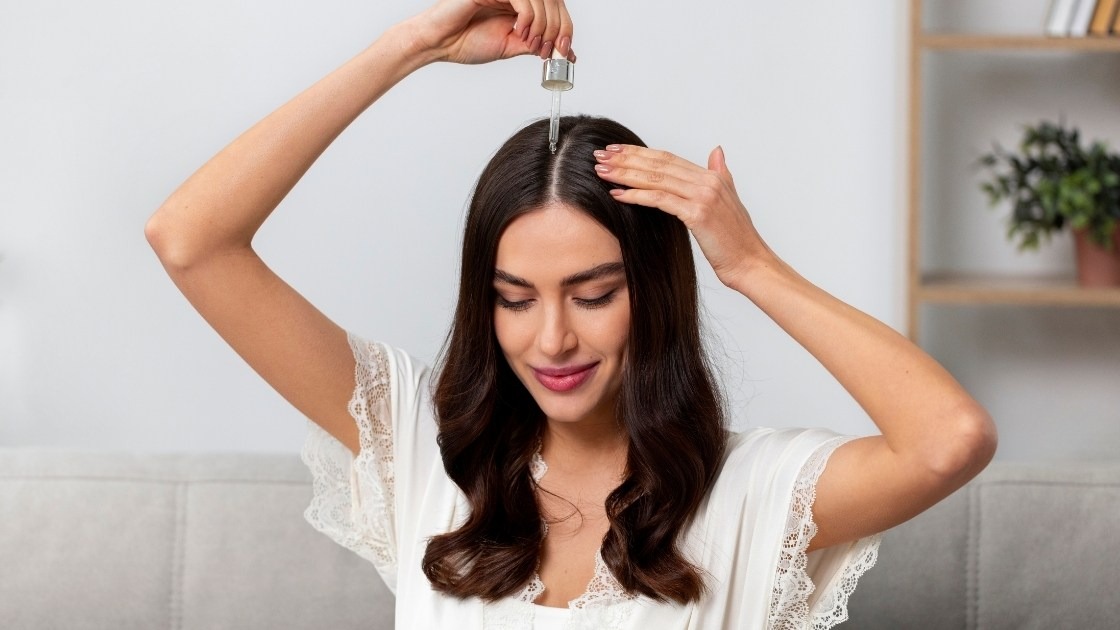
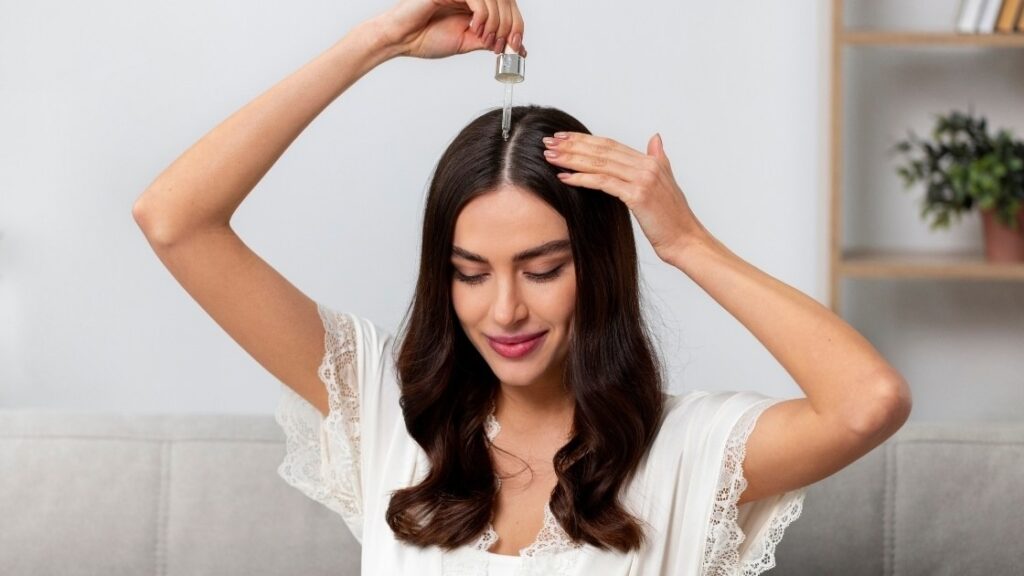
- Dispense three to five drops of pure cold-pressed oil into clean palms.
- Warm the oil between your hands for a few seconds.
- Section your hair and apply directly to affected scalp patches only.
- Massage gently in small circles for two to three minutes.
- Leave on for 30 minutes, or overnight for stubborn dryness.
- Rinse with lukewarm water and follow with a mild cleanser.
- Repeat this routine twice per week never daily.
What to Look for When Buying
Not every bottle on the shelf delivers real benefits. Use this checklist:
| Criterion | Why It Matters |
| 100% cold-pressed | Preserves fatty acids and vitamin E |
| USDA Organic or ECOCERT | Confirms purity and sourcing |
| Dark glass bottle | Protects from oxidation |
| Single-ingredient formula | Avoids irritating additives |
| Nutty, light aroma | Indicates freshness |
| Sourced from Morocco | Authentic regional origin |
Avoid products labeled “argan oil blend” unless every ingredient is clearly listed and non-irritating.
Realistic Timeline: When to Expect Results
| Timeframe | What You May Notice |
| Week 1 | Softer hair, slightly calmer itching |
| Week 2–3 | Reduced flaking, less visible redness |
| Week 4–6 | Noticeable scalp comfort improvement |
| Month 2+ | Stronger barrier, fewer flare-ups |
Consistency matters more than quantity. A little oil used regularly beats a lot used occasionally.
Side Effects and Who Should Avoid It
The oil is generally well-tolerated, but the Mayo Clinic recommends professional evaluation for any persistent scalp condition.
Skip or patch-test this oil if you have a known tree-nut allergy, severely oily or acne-prone skin, open sores or weeping lesions, an active fungal infection needing prescription care, or sensitivity to essential oils in blended formulas.
Always perform a 24-hour patch test on the inner forearm before full scalp application.
Lifestyle Habits That Boost Oil-Based Results
No topical product works in isolation. The National Eczema Association emphasizes that lifestyle adjustments often reduce flare frequency.
Support your scalp by managing daily stress through sleep, movement, or meditation. Eat omega-3-rich foods like salmon, chia seeds, and walnuts. Limit sugar and alcohol during active flare-ups. Avoid very hot showers that strip natural oils. Change pillowcases twice weekly to reduce microbial buildup.
When Self-Care Isn’t Enough
If flaking spreads, patches ooze, or itching disrupts sleep, stop experimenting and book a dermatology appointment. Using argan oil and seborrheic dermatitis routines is not designed for severe or infected cases.
Prescription options like ketoconazole shampoo, topical corticosteroids, or calcineurin inhibitors remain the gold standard for stubborn flare-ups.
A Note from Real-World Experience
Users who share their routines on health-focused platforms like Healthline report the best results when this oil is layered between medicated shampoo days rather than used as a standalone fix. This pattern science-led treatment plus natural support tends to outperform either approach alone.
Conclusion
Managing argan oil and seborrheic dermatitis care together works best as a balanced partnership: the oil nourishes, soothes, and strengthens your skin barrier while medicated products target the microbial root cause. Expect gradual improvement, not instant miracles. Buy clean, apply gently, stay consistent, and listen to your scalp.
If this guide helped clarify your options, drop a comment with your experience, share it with someone battling stubborn flakes, or save it for your next wash day. Your story might help another reader find real relief.
1. Can argan oil completely cure seborrheic dermatitis?
No, no topical oil can cure this chronic condition. Argan oil supports moisture balance and comfort but does not eliminate the underlying fungal and immune response. Medical treatments remain essential for lasting control.
2. How often should I apply argan oil to my scalp?
Twice weekly is generally ideal for most scalp types. Using it daily may cause buildup, block follicles, or worsen oiliness in people already dealing with excess sebum. Moderation protects both scalp and hair health.
3. Does argan oil feed Malassezia yeast like coconut oil can?
Argan oil is generally considered safer than coconut oil for yeast-driven scalp issues. Its fatty acid profile is less likely to fuel Malassezia growth, though anyone with active fungal concerns should confirm with a dermatologist first.
4. Is argan oil safe for children with cradle cap?
Tiny amounts of pure, unscented argan oil are sometimes used to loosen cradle cap scales gently. However, pediatric scalp concerns should always involve a pediatrician’s approval before trying any new topical product on infants or toddlers.
5. How long before I see results from argan oil on my scalp?
Most people notice softer skin within days, but visible flake reduction typically takes three to six weeks of consistent use. Pairing the oil with medicated shampoos usually accelerates improvement and long-term stability.
6. Can I combine argan oil with tea tree oil for stronger results?
Yes, when diluted properly. A common ratio is one drop of tea tree oil for every teaspoon of argan oil. Using argan oil and seborrheic dermatitis remedies together this way may enhance comfort, but always patch-test first to avoid irritation.