Glow Turmeric Serum completely shifted how I approach brightening skincare. After cycling through dozens of vitamin C bottles, retinol trials, and in-office chemical peels, this golden-hued formula was the first botanical brightener that noticeably faded my stubborn post-acne marks inside a single month.
Below, I’ll walk you through exactly how this curcumin-based treatment works, what the science says, and the weekly timeline of changes I personally recorded.
Table of Contents

What Makes This Turmeric-Infused Treatment So Effective?
The hero compound is curcumin a polyphenol extracted from the rhizome of Curcuma longa. According to the National Center for Biotechnology Information (NCBI), curcumin demonstrates measurable antioxidant and anti-inflammatory activity at the cellular level, two mechanisms that directly influence visible skin health.
A dermatology review indexed on PubMed Central explored curcumin’s impact on acne, eczema, psoriasis, and melasma, and reported promising outcomes across every category when curcumin was applied topically or ingested alongside standard treatments.
How Curcumin Actually Works on Your Skin
Turmeric’s bioactive compound targets hyperpigmentation through a process called melanogenesis inhibition. Put simply, it slows the enzymatic chain that triggers dark spots while simultaneously neutralizing free radicals produced by UV light and urban pollution.
The Cleveland Clinic highlights that chronic oxidative stress is one of the leading drivers of premature skin aging and antioxidant-rich ingredients like curcumin help counteract that damage before it surfaces.
What Glow Turmeric Serum Helped Me Achieve
Rather than summarizing the experience vaguely, here’s the honest week-by-week log I kept during testing:
| Timeline | Visible Change |
| Week 1 | Skin felt noticeably calmer; slight dewiness |
| Week 2–3 | Post-acne marks began lightening |
| Week 4 | Even tone visible in natural daylight |
| Week 6 | Older sun spots significantly reduced |
| Week 8 | Sustained glow; fewer new breakouts overall |
The biggest surprise? The reduction in redness around my nose and chin, which no niacinamide serum or centella product had fully calmed before.
Key Benefits Supported by Research
Instead of repeating marketing lines, here’s what peer-reviewed literature genuinely supports:
| Benefit | Mechanism | Source Type |
| Fades hyperpigmentation | Inhibits tyrosinase activity | PubMed Central reviews |
| Calms redness & irritation | Suppresses inflammatory cytokines | NCBI curcumin studies |
| Protects against oxidative damage | Neutralizes free radicals | Cleveland Clinic dermatology |
| Supports collagen retention | Reduces matrix breakdown | Dermatology journal reviews |
| Reduces mild acne lesions | Antimicrobial activity | PubMed-indexed research |
How to Apply This Brightening Serum Correctly
Product order affects absorption more than people realize. Use this sequence for maximum performance:
- Cleanse with a sulfate-free, pH-balanced face wash.
- Apply a hydrating toner or essence, leaving skin slightly damp.
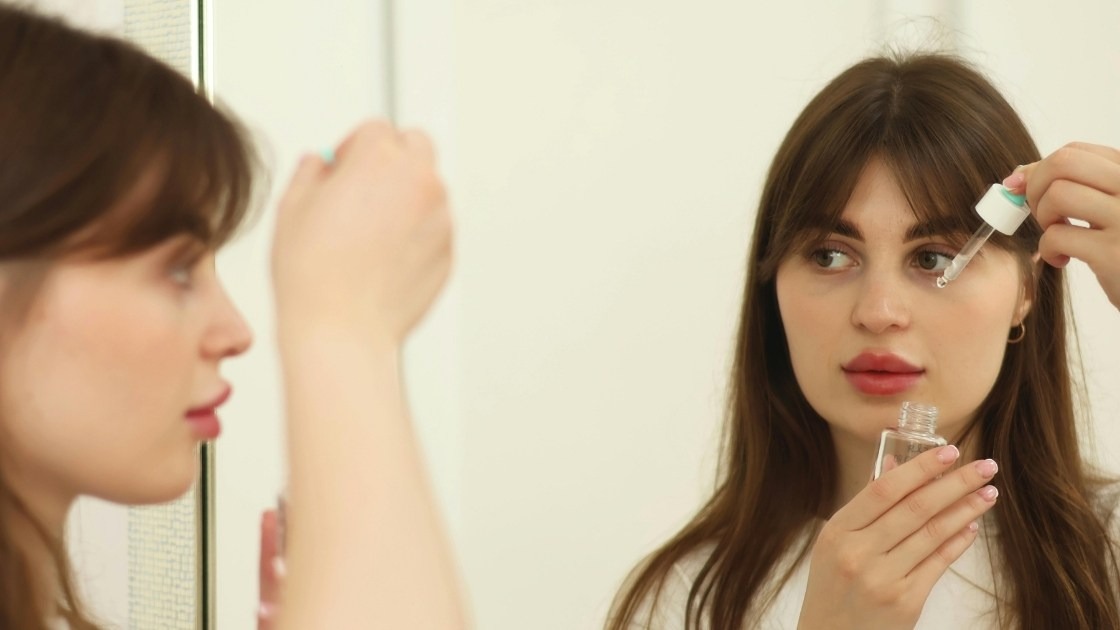
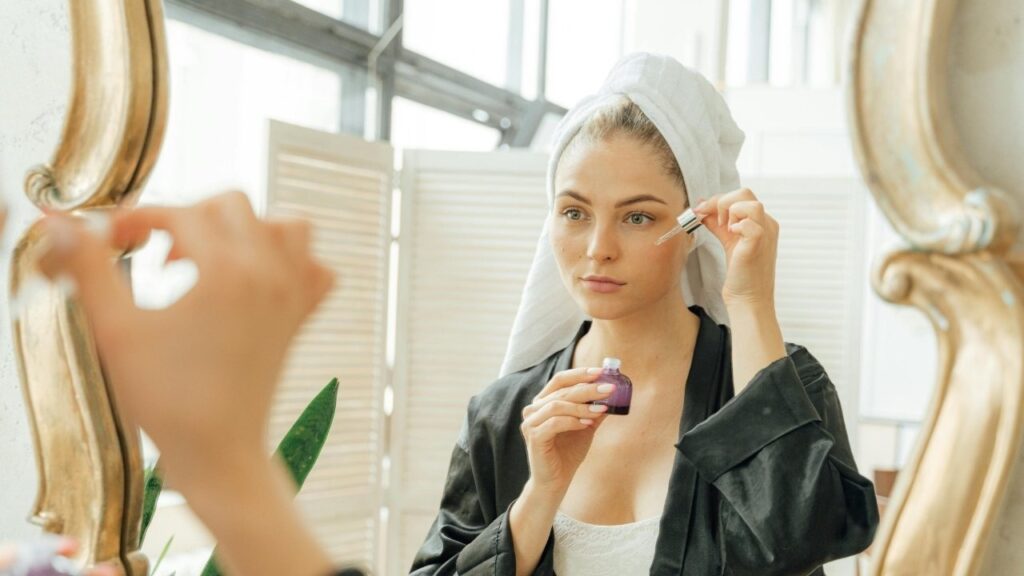
- Dispense three to four drops of the turmeric-infused treatment onto clean fingertips.
- Press don’t rub into your face, neck, and décolletage.
- Seal everything with a ceramide-rich moisturizer.
- In the morning, finish with broad-spectrum SPF 30 or higher non-negotiable.
The American Academy of Dermatology emphasizes that brightening actives only deliver long-term results when paired with daily sun protection. Ultraviolet exposure actively reverses fading progress on dark spots within hours.
Skin-Type Guidance: Customize Before You Commit
Oily or acne-prone skin Apply twice daily; alternate with salicylic acid on separate nights.
Dry or mature skin Layer hyaluronic acid beforehand to prevent any tightness.
Sensitive skin Start with three nights per week and build up gradually.
Combination skin Spot-treat concerned zones (T-zone or cheeks) before going full-face.
Glow Turmeric Serum vs. Popular Brightening Alternatives
If you’re torn between brightening actives, this breakdown clears the confusion:
| Feature | Turmeric Serum | Vitamin C | Niacinamide | Hydroquinone |
| Origin | Botanical | Botanical | Synthetic | Synthetic |
| Sensitivity risk | Low | Moderate | Very low | High |
| Long-term safety | Excellent | Excellent | Excellent | Restricted in many regions |
| Anti-inflammatory strength | Strong | Mild | Strong | None |
| Speed of dark-spot fading | Gradual | Fast | Gradual | Fastest, but regulated |
Common Mistakes I Made So You Don’t Have To
Skipping sunscreen. My first two weeks of progress were erased because I forgot SPF on weekends. UV rays undo brightening gains almost immediately.
Overapplying the serum. Extra drops don’t speed up results they only leave residue and risk yellow staining.
Pairing with retinol on the same night. This caused tingling and mild peeling for me. Alternate these two actives on different evenings.
Ignoring patch testing. Even plant-based ingredients can trigger reactions. The Mayo Clinic recommends a 24-hour patch test on the inner forearm before applying any new topical to your face.
Who Should Avoid This Product
- Anyone with a confirmed turmeric or curcumin allergy.
- Pregnant or breastfeeding individuals, unless cleared by an OB-GYN.
- People taking photosensitizing medications such as certain antibiotics or oral retinoids.
- Those with severe active rosacea, eczema flares, or open skin lesions.
When uncertain, the AAD consistently recommends consulting a board-certified dermatologist before layering new actives into an existing routine.
Conclusion
After eight consecutive weeks of daily testing, Glow Turmeric Serum earned a permanent place on my vanity. The formula accomplishes three things that most single-ingredient brighteners cannot: it fades uneven tone, calms inflammation, and shields skin from oxidative stress all in one lightweight application.
Lasting results demand patience. Commit to a four-to-six-week trial, apply SPF religiously, and introduce it gradually. When used properly, this curcumin-based treatment can visibly transform how your skin looks, feels, and recovers.
Your turn drop your biggest skincare challenge in the comments below, share this review with a friend chasing that lit-from-within glow, and tell me which brightening active you trust most in 2026.
1. How many weeks until Glow Turmeric Serum shows results?
Most users notice early brightening within two to three weeks of daily application. Deeper pigmentation and old acne scars typically require six to eight weeks of consistency, which aligns with general skin cell turnover timelines referenced by the American Academy of Dermatology.
2. Can I use turmeric serum with vitamin C in the same routine?
Yes both ingredients complement each other because they share antioxidant pathways. Apply vitamin C in the morning first, then the turmeric-based serum, followed by moisturizer and SPF for maximum protection.
3. Does turmeric serum leave a yellow tint on the skin?
A faint yellow cast can occasionally appear on very fair skin tones if the product isn’t fully absorbed. Using only three to four drops and massaging gently until the serum sinks in completely prevents any visible tint from forming.
4. Is turmeric serum safe for daily long-term use?
Yes, topical curcumin is considered safe for most skin types when used as directed. Unlike hydroquinone, which the U.S. FDA restricts for long-term use due to safety concerns, curcumin carries no known cumulative toxicity in current dermatology literature.
5. Can turmeric serum trigger breakouts?
In rare cases, any new active can cause temporary purging or irritation during the skin’s adjustment phase. Cleveland Clinic dermatologists suggest patch testing first and stopping use if redness, swelling, or persistent breakouts last beyond two weeks.
6. Is turmeric serum better than niacinamide for dark spots?
Both ingredients work through different pathways and actually pair exceptionally well together. Turmeric targets inflammation and melanin overproduction, while niacinamide strengthens the skin barrier using both (morning niacinamide, evening turmeric) often produces stronger combined fading results.