The encapsulated retinol vs tretinoin question usually boils down to one honest trade-off: how much short-term irritation are you willing to accept for faster long-term results? Tretinoin is a prescription retinoid that pushes cell turnover aggressively and delivers visible change within a couple of months. Its encapsulated cousin is a slower, gentler over-the-counter option built for people whose skin reacts to anything too strong. If your skin is hardy and your concerns are stubborn, the prescription wins. If your barrier is fragile or you’re new to vitamin A, the slow-release route almost always wins.
This guide breaks down the science, the side effects, and the actual results you can expect from each so you can pick without second-guessing.
Table of Contents
What Encapsulated Retinol Actually Is
A quick answer: it’s standard retinol sealed inside microscopic carriers typically liposomes, silica microspheres, or polymer beads that release the active slowly into the upper layers of skin, cutting irritation and protecting potency.
Retinol itself is a cosmetic-grade form of vitamin A that your skin enzymes convert into retinoic acid, the biologically active molecule that actually drives turnover and collagen signaling. The catch is that unprotected retinol degrades quickly in light and oxygen, and dumps onto the skin all at once, which is why traditional formulas often cause peeling and redness.
Microencapsulation fixes both problems. A 2018 PubMed-indexed study on silicone-particle delivery found encapsulated retinol formulas were roughly 12–23% less irritating than older industry-standard carriers while still producing a measurable biological response. Research from the International Journal of Cosmetic Science also shows that encasing the molecule extends its shelf-life dramatically, with one formulation study reporting a half-life roughly nine times longer than unprotected retinol.
What Tretinoin Actually Is
Quick answer: tretinoin is all-trans retinoic acid the fully active form of vitamin A available only by prescription and considered the benchmark topical treatment in modern dermatology.
Because tretinoin skips the conversion step your skin normally performs on retinol, it binds directly to retinoic acid receptors and starts signaling change immediately. The U.S. Food and Drug Administration first approved it for acne in 1971 and later for photoaging under names like Retin-A and Renova.
A landmark 1988 study in JAMA by Weiss and colleagues was one of the first to prove topical tretinoin measurably reversed signs of photoaging in a controlled trial. A follow-up multicenter study published in what is now JAMA Dermatology reported that 79% of patients using 0.05% tretinoin for 24 weeks showed overall improvement in photodamaged skin, compared with 48% of those using a placebo. The American Academy of Dermatology still positions it as a first-line treatment for acne, fine lines, uneven tone, and rough texture.
Side-by-Side Breakdown: Where They Really Differ
Here is how the two actives compare across the factors most people weigh before committing:
| Factor | Encapsulated Retinol | Tretinoin |
| Access | Sold over the counter | Prescription required |
| Molecular form | Retinol (needs conversion) | Retinoic acid (pre-activated) |
| Strength | Mild to moderate | High |
| Irritation risk | Low | Moderate to high |
| Time to see change | 12–24 weeks | 6–12 weeks |
| Best fit for | Sensitive skin, beginners, upkeep | Acne, photoaging, stubborn pigmentation |
| Sun sensitivity | Increased | Sharply increased |
| Pregnancy safety | Not advised | Contraindicated |
How the Two Work Inside the Skin
A quick answer: tretinoin binds directly to retinoic acid receptors and triggers genetic changes right away, while the encapsulated version releases slowly, gets converted by enzymes, and then reaches the same receptors which is why its effect is gentler but delayed.
Once tretinoin reaches active skin cells, it accelerates turnover, inhibits matrix metalloproteinases that break down collagen, and normalizes oil production. A 2025 network meta-analysis published in Nature Scientific Reports, covering 23 randomized controlled trials and nearly 3,900 participants, concluded that tretinoin ranked among the most balanced vitamin A derivatives across both efficacy and safety.
With a microencapsulated formula, the carrier shell erodes gradually on the skin surface, dribbling out small doses of retinol over several hours. Enzymes inside the skin then convert that retinol into retinaldehyde and finally into retinoic acid. You lose some raw potency in the relay, but the slower kinetics are exactly why sensitive-skin users tolerate it.
Side Effects and What to Expect
A quick answer: tretinoin commonly causes a 4–6 week adjustment period of peeling, dryness, and redness, while the slow-release option usually produces minimal reactivity at most.
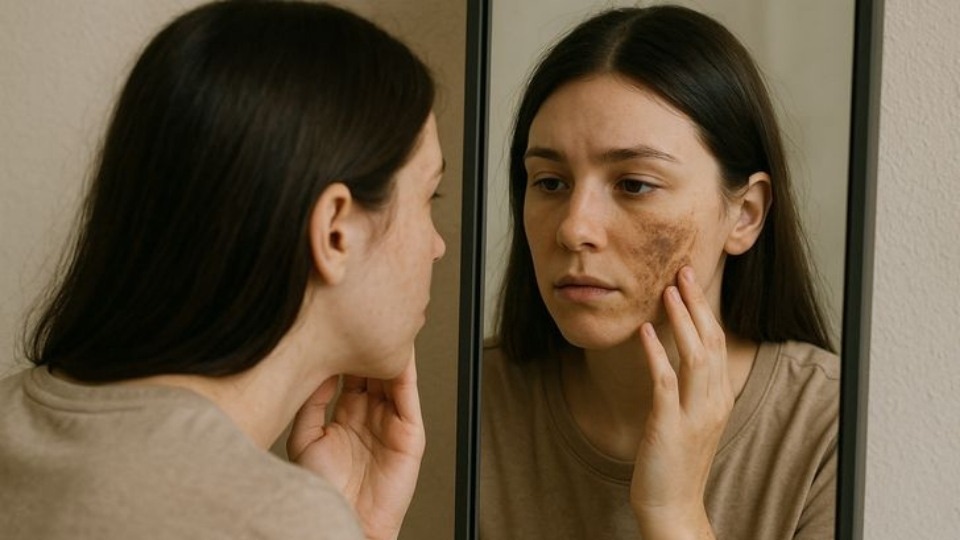
Board-certified dermatologists at the Cleveland Clinic list the most common tretinoin side effects as burning, flaking, photosensitivity, and an acne “purge” during the first few weeks of treatment. The encapsulated version isn’t entirely reaction-free, but surveys of real-world use consistently show much higher long-term adherence.
Common side-effect patterns to know:
- Initial dryness, tightness, or fine peeling around the nose and chin
- A short-term breakout purge, usually in weeks two through six
- Increased sun sensitivity that requires daily broad-spectrum SPF
- Mild tingling on application, especially on damp skin
- Temporary redness when layered with acids or benzoyl peroxide
- Flare-ups in patients with active eczema, rosacea, or a damaged barrier
Both actives are considered unsafe during pregnancy and breastfeeding. Bakuchiol, niacinamide, and peptide-based alternatives are the options most dermatologists point patients toward during those windows.
Who Each Ingredient Actually Suits Best
Choose the encapsulated route if your skin reacts easily, if you’re new to vitamin A, if you have rosacea-prone or dehydrated skin, or if previous retinoid attempts left your barrier raw. It also works well as long-term maintenance after heavier treatment.
Choose tretinoin if you’re dealing with persistent acne, deep expression lines, melasma, or post-inflammatory hyperpigmentation that hasn’t budged with gentler options. Patients often step into tretinoin after tolerating lower-grade retinoids first it’s rarely the right starting point for reactive skin. When weighing encapsulated retinol vs tretinoin, lifestyle matters too: the prescription route demands stricter sun habits, a more patient ramp-up, and ongoing dermatologist check-ins.
Using Either One Without Wrecking Your Skin
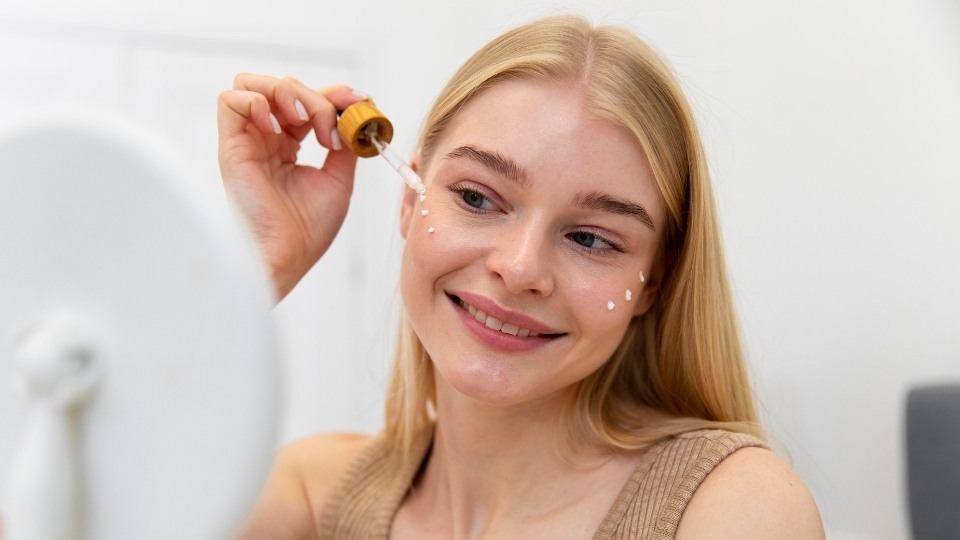
Start slow two nights a week for the first month, then build up as tolerance grows. Apply a pea-sized amount to completely dry skin, because damp skin increases penetration and irritation. Keep it away from the eyes, nostrils, and corners of the mouth.
Never layer vitamin A with exfoliating acids, vitamin C, or benzoyl peroxide in the same routine unless a dermatologist has cleared that stack for you. Sandwich the active between moisturizer layers if your skin runs dry. Daily broad-spectrum SPF 30 or higher is non-negotiable the Skin Cancer Foundation flags unprotected retinoid use as a meaningful driver of photodamage when sunscreen is skipped.
Final Verdict
The encapsulated retinol vs tretinoin decision isn’t about which ingredient is objectively better it’s about matching potency to skin tolerance and timeline. Tretinoin delivers faster, more dramatic results and carries the strongest clinical track record of any topical anti-aging molecule. The encapsulated option delivers slower, gentler change with a far lower chance of triggering flare-ups or compromising your barrier, which is often the deciding factor for sensitive or beginner users.
A smart, realistic approach for many people is to start with the slow-release option to build tolerance, then graduate to a dermatologist-guided prescription once the skin has adapted. Whichever one you pick, patience and daily sun protection matter far more than raw strength.
Found this breakdown useful? Share it with someone stuck in the same decision, drop your own retinoid experience in the comments, and bookmark the page before you start your routine.
Is encapsulated retinol as strong as tretinoin?
No, tretinoin is significantly stronger because it is already in its active retinoic acid form and doesn’t need conversion. That said, consistent long-term use of a well-formulated encapsulated serum can deliver comparable improvements in tone and fine lines with far less irritation.
How long does it take to see results from each?
Most tretinoin users notice brighter tone and smoother texture around weeks six to twelve, with full results appearing between six and twelve months. Encapsulated formulas generally take three to six months of nightly use before visible change shows up.
Can I move from an over-the-counter retinol to a prescription?
Yes, and dermatologists routinely recommend that path. Once your skin has handled a slow-release serum for three to six months without sensitivity, your barrier is usually strong enough to tolerate a low-dose tretinoin prescription safely.
Which one is better for acne?
Tretinoin is the clinical gold standard for moderate to severe acne and is FDA-approved for that use. The gentler formulation can help with mild congestion and texture, but stubborn inflammatory acne almost always responds faster to the prescription.
Do I really need sunscreen with both?
Yes. Both accelerate cell turnover and expose newer, more fragile skin to UV damage. A broad-spectrum SPF 30 or higher every morning protects your results and your long-term skin health.
Is encapsulated retinol safe during pregnancy?
Most dermatologists advise avoiding all vitamin A derivatives during pregnancy and breastfeeding out of caution, including slow-release formulas. Bakuchiol, peptides, and azelaic acid are widely recommended pregnancy-safe alternatives.