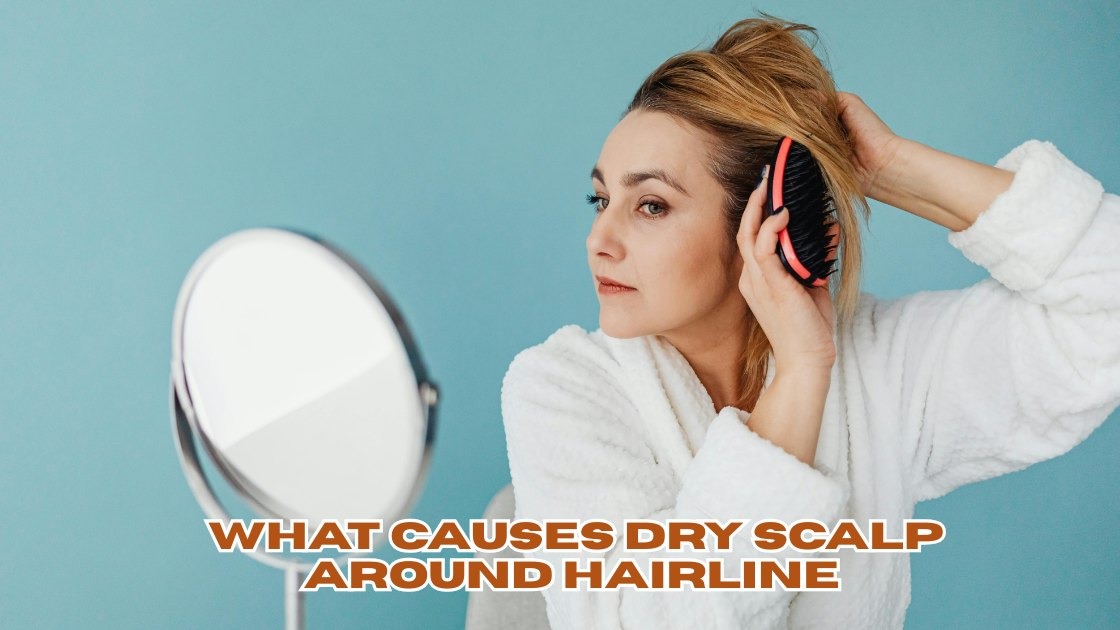
If you have ever experienced persistent flaking and tightness along your forehead, understanding what causes dry scalp around hairline becomes essential for finding lasting relief. This frustrating condition affects millions of people worldwide yet remains widely misunderstood due to conflicting information scattered across the internet.
The truth is that what causes dry scalp around hairline extends far beyond simple dehydration or cold weather exposure. Multiple dermatological factors including compromised skin barrier function, seborrheic dermatitis triggers, hormonal imbalance effects, and even product buildup irritation contribute to this specific scalp condition in ways most people never consider.
In this clinically informed guide, we unpack every underlying trigger that dermatologists and trichologists have identified through patient examinations and peer reviewed research. You will discover how frontal hairline eczema, contact dermatitis reactions, and environmental scalp damage create the perfect storm for chronic dryness in this delicate area.
Whether your symptoms are mild or severely disruptive, this article reveals what causes dry scalp around hairline at the cellular level and provides medically validated treatment pathways that actually deliver measurable results beyond temporary symptom masking.
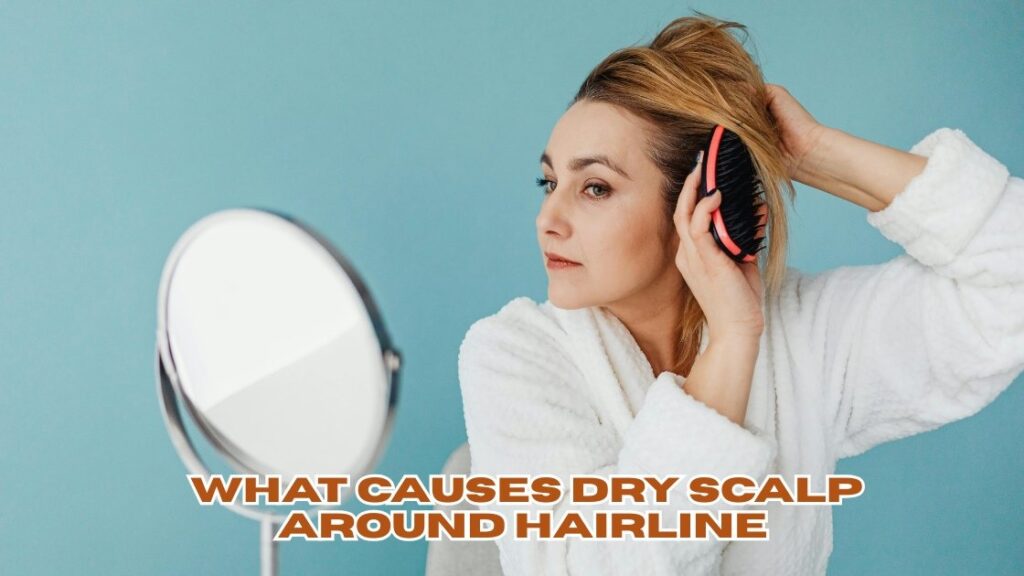
Understanding the Dermatological Anatomy of Your Hairline Region
The hairline area sits at a unique transitional zone where facial skin meets scalp tissue. This border region possesses a thinner epidermal layer compared to the central scalp, making it significantly more vulnerable to moisture loss and external irritation. The sebaceous gland density along the frontal hairline also differs from other scalp zones, which directly affects natural oil distribution and hydration retention.
When people ask what causes dry scalp around hairline, dermatologists point to this anatomical vulnerability as the starting foundation. The skin in this region must simultaneously manage exposure to facial skincare products, environmental pollutants, and mechanical friction from hats, headbands, and eyewear. This constant multidirectional stress creates conditions where the skin barrier function becomes compromised far more easily than elsewhere on the scalp.
How Skin Barrier Dysfunction Initiates the Problem
Your skin barrier operates as a protective shield composed of lipids, ceramides, and corneocytes that lock moisture inside while keeping irritants outside. When this barrier weakens along the hairline, transepidermal water loss accelerates dramatically. Dermatological research published in clinical journals confirms that individuals with impaired barrier function in this specific zone experience chronic flaking, redness, and tightness that standard moisturizers cannot resolve.
Understanding what causes dry scalp around hairline at this cellular level helps explain why superficial treatments often fail. The issue originates beneath the visible surface, within the stratum corneum, where lipid depletion creates microscopic gaps that allow moisture to escape continuously throughout the day.
Primary Medical Triggers Identified by Dermatologists
Several clinically recognized conditions contribute to persistent dryness specifically along the hairline. Each trigger operates through a distinct biological pathway, and many individuals experience multiple overlapping causes simultaneously without realizing the complexity of their situation.
Seborrheic dermatitis triggers represent one of the most common underlying factors. This inflammatory condition causes the Malassezia yeast naturally present on scalp skin to proliferate excessively, producing oleic acid that irritates the surrounding tissue. The hairline provides an ideal environment for this overgrowth because of its transitional moisture and oil balance.
Contact dermatitis reactions account for another significant percentage of cases. Ingredients found in shampoos, conditioners, hair gels, and even facial cleansers frequently migrate toward the hairline during application and rinsing. Preservatives such as methylisothiazolinone and fragrances are among the most frequently identified culprits in patch testing studies conducted by allergists.
Hormonal and Systemic Contributors
What causes dry scalp around hairline often extends beyond topical factors into systemic territory. Hormonal imbalance effects play a documented role in altering sebum production patterns along the frontal scalp region. Thyroid dysfunction, in particular, has been clinically associated with widespread scalp dryness that manifests most visibly at the hairline where skin is thinnest.
Nutritional deficiencies involving zinc, omega 3 fatty acids, and vitamin D also compromise the scalp ability to maintain adequate hydration. Dermatologists frequently order blood panels for patients presenting with chronic hairline dryness to rule out these internal contributors before recommending topical interventions.
Environmental and Lifestyle Factors That Worsen the Condition
Beyond medical triggers, everyday habits and surroundings significantly influence what causes dry scalp around hairline in otherwise healthy individuals. Environmental scalp damage from ultraviolet radiation is particularly relevant because the hairline receives direct sun exposure that the covered scalp does not. This UV exposure degrades lipid structures and accelerates moisture depletion over time.
- Excessive use of heat styling tools near the hairline strips away protective oils and weakens the already vulnerable skin barrier in this transitional zone
- Product buildup irritation from layering multiple styling products creates a suffocating film that blocks natural sebum distribution and traps irritants against the skin surface
- Overwashing with sulfate heavy shampoos dissolves essential ceramides faster than your body can replenish them, creating a destructive cycle of dryness and compensatory oil production
- Hard water mineral deposits accumulate along the hairline during rinsing because this area receives the most direct water contact during hair washing routines
- Wearing tight headwear creates continuous friction that disrupts the epidermal barrier and restricts blood circulation to follicles along the frontal scalp margin
Seasonal and Climate Related Influences
Cold weather combined with indoor heating systems creates a dual assault on hairline hydration. Low humidity environments pull moisture from exposed skin surfaces, and the hairline remains particularly susceptible because it lacks the insulating protection that denser hair coverage provides to the central scalp.
Conversely, hot and humid conditions can also trigger what causes dry scalp around hairline through excessive sweating. Sweat deposits salt and metabolic waste products on the skin surface that cause irritation and flaking once the moisture evaporates. This paradoxical relationship between humidity and dryness surprises many patients during dermatologist consultations.

Clinical Diagnosis and Professional Assessment Methods
Properly identifying what causes dry scalp around hairline requires professional evaluation beyond self diagnosis. Dermatologists employ dermoscopy to examine the hairline at magnified levels, revealing vascular patterns, scaling characteristics, and follicular abnormalities that indicate specific underlying conditions.
Patch testing becomes essential when contact dermatitis reactions are suspected. This procedure involves applying small amounts of common allergens to the skin under controlled conditions and monitoring for inflammatory responses over forty eight to seventy two hours. The results often reveal sensitivities to ingredients patients never suspected were problematic.
Scalp biopsy, although less commonly required, provides definitive diagnostic clarity for cases where what causes dry scalp around hairline remains ambiguous after standard examination. Histological analysis reveals whether the dryness stems from frontal hairline eczema, psoriasis, or other inflammatory dermatoses that require targeted pharmacological intervention.
When Self Treatment Becomes Insufficient
Recognizing the boundary between manageable dryness and a condition requiring medical attention protects you from prolonged suffering and potential complications. If over the counter remedies containing ceramide restoration ingredients and gentle hydrating formulations fail to produce improvement within three to four weeks, scheduling a dermatologist consultation becomes medically advisable.
Persistent redness, scaling that spreads beyond the hairline, hair thinning in the affected area, or crusting that resists gentle removal all signal that what causes dry scalp around hairline in your specific case involves a deeper pathological process. Early professional intervention prevents scarring, permanent follicular damage, and the psychological distress that chronic visible scalp conditions inevitably produce when left unaddressed for extended periods.
Evidence Based Treatment Pathways That Dermatologists Recommend
Treatment protocols for hairline dryness follow a stepwise approach beginning with skin barrier function restoration. Dermatologists typically recommend fragrance free, ceramide enriched moisturizers applied directly to the affected area twice daily. Products containing niacinamide and hyaluronic acid provide additional hydration support while calming underlying inflammation.
For cases involving seborrheic dermatitis triggers, medicated formulations containing ketoconazole or zinc pyrithione target the fungal overgrowth driving the inflammatory cascade. These treatments address the root cause rather than merely suppressing visible symptoms. Prescription strength topical corticosteroids may be introduced for short term use in severe cases where inflammation has become deeply entrenched along the hairline.
What causes dry scalp around hairline ultimately determines which treatment pathway delivers optimal results, reinforcing why accurate clinical diagnosis must always precede any intervention strategy. Dermatologists emphasize that personalized protocols based on thorough assessment consistently outperform generic one size fits all approaches that dominate mainstream skincare advice platforms.
Conclusion
Identifying what causes dry scalp around hairline requires looking far beyond surface level explanations that dominate mainstream skincare advice. As this guide has demonstrated, the underlying triggers range from compromised skin barrier function and seborrheic dermatitis triggers to hormonal imbalance effects and environmental scalp damage that silently erode your hairline health over time.
Contact dermatitis reactions from everyday products, nutritional deficiencies, and seasonal climate shifts all compound the problem in ways most people never connect to their symptoms. Professional diagnosis through dermoscopy and patch testing remains the most reliable pathway toward accurate identification and effective treatment.
What Causes Dry Scalp Around Hairline ,understanding what causes dry scalp around hairline empowers you to move beyond temporary symptom masking toward genuine cellular level healing. Whether your condition stems from product buildup irritation or frontal hairline eczema, the evidence based treatment protocols outlined here provide a medically validated roadmap worth following under professional dermatological guidance for lasting relief.