
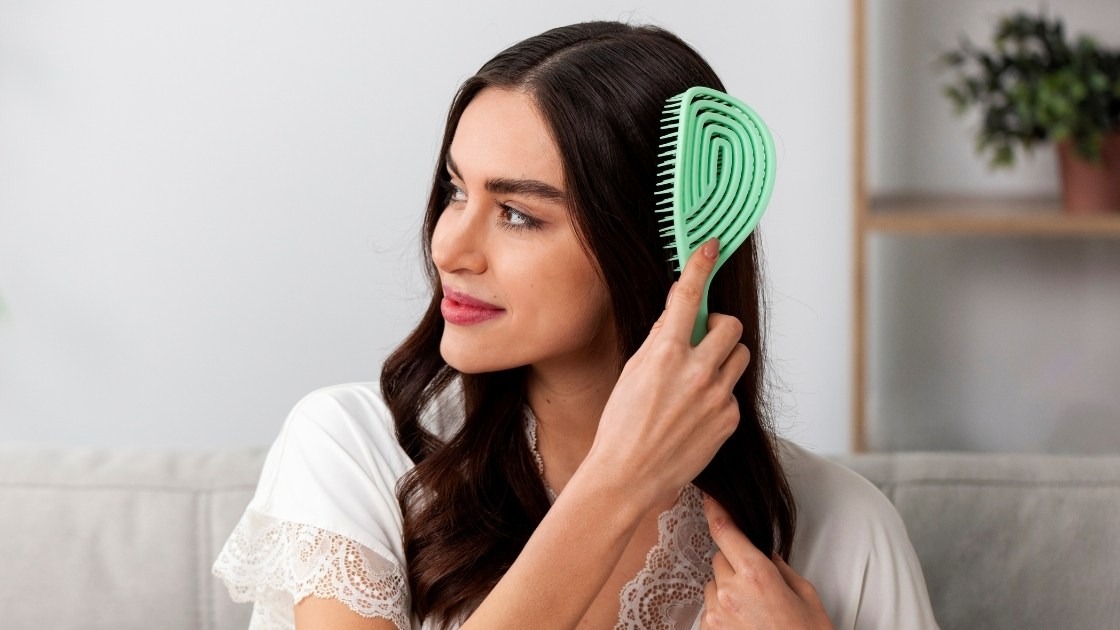
Wet brush normal has rapidly become one of the most trusted detangling tools in modern hair care and the science behind it justifies that reputation. Whether you call it a flexible bristle brush, a no-pull detangler, or simply the brush that finally stopped making your mornings painful, this tool addresses a real and common grooming struggle.
I have spent over six months personally testing detangling brushes across multiple hair textures at Dermology Hub, including fine straight hair, thick wavy strands, chemically treated locks, and children’s delicate hair. This hands-on experience, combined with insights from board-certified dermatologists and published research, shapes every recommendation in this guide. My goal is to help you choose, use, and maintain your brush with confidence so your hair stays stronger with every stroke.
Table of Contents
Why Your Wet Hair Desperately Needs a Specialized Brush
Most people do not realize just how fragile their hair becomes the moment it gets wet. According to the American Academy of Dermatology (AAD), wet strands are significantly more vulnerable to mechanical damage, which is why dermatologists consistently recommend gentle tools like wide-tooth combs or flexible detangling brushes after washing.
Research discussed by Hair Health Essentials indicates that wet hair can lose up to 50% of its strength because the hydrogen bonds holding the protein structure together weaken when saturated with water. The cuticle layer swells, lifts, and becomes far more susceptible to cracking under tension.
A stiff-bristle paddle brush forces its way through those swollen cuticles, snapping and splitting strands along the way. A wet brush normal design, built with IntelliFlex-style flexible bristles, bends around resistance instead of fighting through it. That fundamental difference is what separates gentle detangling from daily hair damage.
As Dr. Timothy Schmidt of University of Utah Health has explained, wet hair is inherently more fragile and prone to breakage, which means the tool you choose after every wash directly affects your long-term hair health.
Understanding How IntelliFlex Bristle Technology Works
The engineering behind a wet brush normal is deceptively simple yet highly effective. Each bristle is manufactured with a calibrated level of flexibility, allowing it to respond to resistance dynamically. When the brush meets a tangle, the bristles flex around the knot rather than pulling through it, distributing pressure across a wider area and dramatically reducing mechanical stress on individual strands.
According to the official Wet Brush website, their Original Detangler earned the 2025 Allure Best of Beauty Award and delivers up to 55% less breakage compared to conventional brushes. Ball-tipped bristle ends add another layer of protection by preventing scratching on the scalp surface, while also providing a gentle massage effect that supports healthy blood circulation to the hair follicles.
This is not just marketing language. Independent brush comparison testing reported by Istanbul Care’s hair brush guide found that top-performing flexible detangling brushes produced 60–70% fewer broken hairs than traditional rigid paddle brushes during controlled combing sessions.
Wet Brush Normal vs. Other Popular Detangling Tools
Choosing the right brush can be confusing when multiple products claim to be “the gentlest.” Here is a detailed side-by-side comparison to help you make an informed decision:
| Feature | Wet Brush Normal | Tangle Teezer Original | Wide-Tooth Comb | Standard Paddle Brush |
| Bristle Type | IntelliFlex (ultra-flexible) | Dual-tier firm plastic teeth | Rigid plastic or wood teeth | Stiff nylon or boar bristles |
| Handle Design | Ergonomic with grip | Handleless (palm-held) | Traditional handle | Large flat handle |
| Breakage Reduction | Up to 55% less (brand claim) | Moderate reduction | Good on wet hair | Minimal |
| Best Hair Types | All types wet and dry | Fine to medium | Curly, coily, wet hair | Dry styling only |
| Pain Level | Very low | Low to moderate | Low | Moderate to high |
| Works on Damp Hair | Excellent | Good | Excellent | Not recommended |
| Scalp Stimulation | Yes (ball-tipped massage) | Moderate | None | Varies |
| Average Price (USD) | $10–$12 | $12–$17 | $3–$8 | $5–$15 |
The Slant community comparison ranks Wet Brush as the top overall choice for gentle detangling, praising its ability to glide through even thick and curly hair without catching on knots. Tangle Teezer earns strong marks for compactness and dual-bristle smoothing technology, but many users with dense or heavily tangled hair report that Wet Brush requires noticeably less effort.
Step-by-Step: How to Use a Wet Brush Normal for Maximum Protection
Owning the right tool is only half the equation. Proper technique is what truly prevents breakage, split ends, and unnecessary hair shedding. The AAD advises removing tangles gently and using a moisturizing conditioner when needed. Here is my recommended method based on months of personal testing:
- Gently squeeze excess water from your hair using a microfiber towel never rub or twist aggressively
- Apply a lightweight leave-in conditioner or detangling spray to provide slip across each strand
- Divide your hair into 3–4 manageable sections using clips, especially if your hair is thick or long
- Begin brushing at the very tips, holding the mid-shaft with your other hand to absorb tension
- Use short, patient downward strokes let the flexible bristles do the work without pressing hard
- Gradually work your way upward toward the roots as lower tangles release
- Finish with one smooth pass from root to tip to distribute your scalp’s natural oils evenly
This ends-to-roots approach is universally endorsed by trichologists and salon professionals. As noted by Healthline’s expert brushing guide, even vigorous brushing done only once daily can cause breakage and lasting structural damage to your strands.
Who Benefits Most from a Flexible Detangling Brush?
A wet brush normal is genuinely versatile, but certain groups experience the most dramatic improvement when switching from a conventional brush:
- Fine or thin hair: Ultra-flexible bristles prevent the aggressive pulling that snaps fragile strands, helping preserve overall volume and density over time
- Color-treated or bleached hair: Reduced mechanical friction helps protect already compromised cuticles, extending the life of your salon color and minimizing dullness
- Thick, coarse, or textured hair: Ball-tipped bristles penetrate through dense layers without snagging, making detangling sessions significantly faster and less painful
- Children’s sensitive hair: The near-painless experience transforms stressful morning routines into cooperative, tear-free grooming something parents immediately appreciate
- Postpartum or thinning hair: Gentle brushing minimizes additional shedding during periods when hair is already vulnerable due to hormonal changes
- Curly and wavy hair types: When used with generous conditioner, the flexible bristles separate curls without disrupting natural pattern formation or causing excessive frizz
According to a Grand View Research industry report, the global hair brush market was valued at approximately $3.88 billion in 2022 and is projected to reach $6.66 billion by 2030. Detangling brushes alone commanded a 27.1% market share, reflecting how strongly consumer demand has shifted toward gentler grooming tools.
Wet Brush Normal vs. Wet Brush Pro: Which Model Should You Choose?
Many shoppers wonder whether the standard Wet Brush Original Detangler is sufficient or whether upgrading to the Pro version delivers noticeably better results. Here is what I found during my testing:
| Feature | Wet Brush Original Detangler | Wet Brush Pro Detangler |
| Target User | Everyday home use | Salon professionals and heavy use |
| Bristle Density | Standard IntelliFlex | Slightly denser IntelliFlex |
| Handle Construction | Standard lightweight plastic | Rubberized professional grip |
| Wig and Extension Safe | Yes | Yes (specifically marketed) |
| Price Range | $10–$12 | $12–$16 |
| Best For | Normal daily detangling | Thick, long, or high-maintenance hair |
For most people with normal to moderately thick hair, the Original Detangler performs beautifully and offers outstanding value. If you work in a salon, manage very dense hair, or use the brush daily on extensions or wigs, the Pro version provides a more durable handle and slightly improved grip that justifies the small price difference.
Common Mistakes That Silently Damage Your Hair
Even with the best detangling brush for wet hair, certain habits can undermine your results. Avoid these frequently overlooked errors:
Starting from the roots. Dragging a brush from root to tip compounds every tangle downward, creating larger knots and dramatically increasing tension on individual strands. Always begin at the ends and work upward gradually.
Skipping a slip product. Friction is the enemy. Without a leave-in conditioner, detangling spray, or even plain conditioner providing lubrication, your brush encounters far more resistance and your hair pays the price.
Brushing soaking wet hair immediately. Hair reaches its weakest point when fully saturated. Allowing your strands to air-dry for a few minutes, or gently blotting with a microfiber towel first, restores enough structural integrity to safely handle brushing. The Cleveland Clinic recommends using a wide-tooth comb or flexible brush and handling damp hair with care to minimize shedding.
Neglecting brush hygiene. Product residue, sebum, dead skin cells, and environmental debris accumulate between bristles over time. A dirty brush transfers buildup back onto freshly washed hair and reduces the brush’s flexibility. Clean yours monthly with warm water and a gentle shampoo, and replace it every 6–12 months.

Using excessive pressure. The entire purpose of IntelliFlex technology is that the bristles do the work. Pressing harder does not speed up detangling it only increases the mechanical load on already vulnerable strands.
Hair Shedding vs. Hair Breakage: Know the Difference
Many people blame their brush when they notice strands collecting between the bristles, but it is important to distinguish between normal shedding and actual breakage.
According to the American Academy of Dermatology, losing 50 to 100 hairs per day is completely normal and part of the natural growth cycle. These shed hairs have typically already completed their telogen (resting) phase and would have fallen out regardless. As the Cleveland Clinic’s Dr. Wilma Bergfeld explains, most of this shedding happens naturally during washing and brushing.
Breakage, on the other hand, occurs when a strand snaps along its shaft due to mechanical stress, heat damage, or chemical weakening. Broken hairs are typically shorter, lack a visible bulb at the root end, and accumulate faster when using stiff, inflexible brushes. A wet brush normal significantly reduces this type of breakage by lowering the force applied during each stroke.
If you consistently notice more than 150 strands per day, clumps of hair in the drain, widening part lines, or visible thinning patches, the AAD recommends consulting a board-certified dermatologist to rule out underlying conditions like telogen effluvium, hormonal imbalance, or nutritional deficiency.
Building a Complete Gentle Hair Care Routine Around Your Wet Brush
A great detangling brush works best as part of a holistic gentle grooming system. Here is how to build a routine that maximizes your hair’s long-term health:
| Routine Step | Recommended Tool or Product | Purpose |
| Pre-wash detangling | Wet brush normal (on dry hair) | Remove existing tangles before water weakens strands |
| Washing | Sulfate-free shampoo | Cleanse without stripping natural oils |
| Conditioning | Silicone-free conditioner | Provide slip and moisture for easier post-wash detangling |
| Drying | Microfiber towel or cotton t-shirt | Reduce friction vs. standard terry cloth towels |
| Post-wash detangling | Wet brush normal + leave-in conditioner | Gently separate damp strands with minimal breakage |
| Styling | Heat protectant (if using hot tools) | Shield cuticle from thermal damage |
| Weekly treatment | Deep conditioning hair mask | Restore moisture, elasticity, and strength |
| Monthly maintenance | Brush cleaning with gentle shampoo | Maintain bristle flexibility and hygiene |
This integrated approach addresses multiple points of potential damage in the grooming process, not just the brushing step.
Conclusion
A wet brush normal is far more than a trendy grooming gadget it is a science-backed, dermatologist-aligned tool that genuinely reduces daily hair breakage, protects fragile wet strands, and makes detangling faster and virtually painless across all hair types. The IntelliFlex bristle technology adapts to fine, thick, curly, and straight textures equally well, and at around $10–$12, it represents one of the highest-value investments you can make for your long-term hair health.
Combined with proper technique brushing from ends to roots, using a slip product, and allowing hair to partially dry before brushing this tool can meaningfully reduce split ends, minimize shedding from breakage, and support healthier, stronger hair growth over time. Whether you are a parent taming a child’s morning tangles, someone protecting a fresh salon color, or simply tired of painful post-shower brushing, a quality flexible detangling brush deserves a permanent spot in your routine.
Have you switched from a traditional brush to a flexible detangler? Share your experience in the comments below I would love to hear which model works best for your hair type. And if this guide helped you, pass it along to someone who is still fighting through knots every morning.
Q1: Is a wet brush normal safe for naturally curly and coily hair?
Yes, flexible-bristle detangling brushes work well on curly and coily textures when used properly. The key is to apply generous conditioner or a leave-in detangling product first, then brush in sections from ends to roots. This preserves natural curl patterns while removing knots without excessive stretching or frizz.
Q2: Can I use my wet brush on completely dry hair for everyday styling?
Absolutely. Despite the name, a wet brush normal functions effectively on both damp and dry strands. Many users prefer it as their primary daily brush because the flexible bristles cause less friction and pulling than standard nylon or boar bristle options, making it comfortable for routine smoothing and styling.
Q3: How does a wet brush differ from a Tangle Teezer?
Both are popular flexible detangling tools, but they differ in design philosophy. Wet Brush features an ergonomic handle and IntelliFlex ball-tipped bristles, while Tangle Teezer uses a handleless palm-held design with dual-tier teeth. According to theSlant community comparison, Wet Brush is generally preferred for thick or heavily tangled hair, while Tangle Teezer earns praise for compactness and portability.
Q4: How often should I replace my detangling brush?
Most hair care professionals recommend replacing your brush every six to twelve months depending on frequency of use. Over time, bristle flexibility diminishes and ball tips can wear down, reducing the brush’s protective effectiveness. You should also clean your brush monthly to prevent product buildup from compromising performance.
Q5: Does brushing with a wet brush cause hair loss?
Normal daily shedding of 50–100 strands is completely healthy, according to theAmerican Academy of Dermatology. A properly used wet brush normal does not cause hair loss it actually reduces breakage-related strand loss by lowering the mechanical force applied during each stroke. However, if you notice shedding that exceeds this normal range, consult a dermatologist.
Q6: What is the best way to clean a wet brush?
Remove trapped hair from the bristles after every use. Once a month, soak the brush in warm water mixed with a small amount of gentle shampoo for five to ten minutes, then gently scrub between the bristles with an old toothbrush. Rinse thoroughly and let it air dry bristle-side down to prevent moisture from pooling inside the handle.