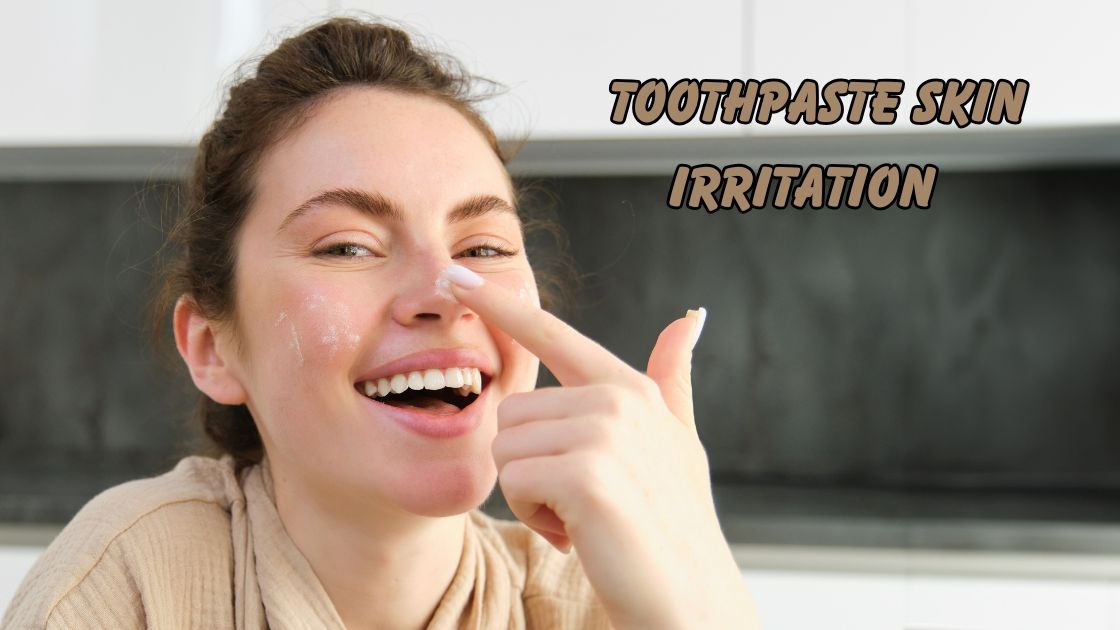
Have you ever tried a popular beauty hack only to end up with toothpaste skin irritation on your face? You’re not alone. Many people apply toothpaste as a quick acne treatment, believing it can dry out pimples overnight. However, this common practice often leads to unexpected problems like skin redness, burning sensations, and even chemical burns.
Toothpaste contains harsh ingredients such as fluoride, sodium lauryl sulfate, and menthol that are safe for teeth but damaging to sensitive skin. These chemicals can trigger allergic reactions and contact dermatitis, leaving your skin worse than before.
In this comprehensive guide, we’ll explore why this happens, identify warning signs to watch for, discuss safe alternatives, and share expert tips to protect your skin from harmful DIY treatments.
Understanding Why Toothpaste Causes Skin Problems
Many people still believe that toothpaste works as an effective spot treatment for pimples. This myth has been passed down for generations, but dermatologists strongly advise against it. The truth is that toothpaste skin irritation occurs because dental products are formulated specifically for tooth enamel, not delicate facial tissue.
When toothpaste comes into contact with your face, its active ingredients begin disrupting the skin’s natural pH balance. This disruption weakens the skin barrier, making it vulnerable to damage, dryness, and inflammation. Understanding this process helps explain why so many people experience negative reactions.
The Science Behind the Reaction
Toothpaste contains several chemicals designed to clean and protect teeth. However, these same ingredients become problematic when applied to skin. Sodium lauryl sulfate creates foam but strips away natural oils. Fluoride strengthens enamel but can cause perioral dermatitis on facial skin. Menthol provides a cooling sensation but triggers burning and redness.
The combination of these harsh substances explains why toothpaste skin irritation manifests so quickly. Your skin simply isn’t equipped to handle such aggressive chemicals, especially in sensitive areas around the nose and mouth.
Common Symptoms and Warning Signs
Recognizing the signs of a skin reaction early can prevent further damage. Most people notice symptoms within minutes to hours after application.
Immediate Reactions
When your skin reacts to toothpaste, you may experience several uncomfortable symptoms. The affected area often becomes inflamed and painful to touch. Burning sensations are extremely common, along with visible redness that spreads beyond the application site.
Delayed Symptoms
Sometimes toothpaste skin irritation doesn’t appear immediately. You might wake up the next morning with unexpected problems. These delayed reactions often include:
- Dry, flaky patches that peel throughout the day
- Small blisters or raised bumps indicating allergic contact dermatitis
- Persistent itching that worsens with scratching
- Darkened skin patches called post inflammatory hyperpigmentation
- Increased acne breakouts in the treated area

Who Is Most at Risk
Certain individuals face higher chances of experiencing adverse reactions from toothpaste application. People with eczema, rosacea, or naturally sensitive skin types should avoid this practice entirely. Those with existing skin conditions often experience more severe toothpaste skin irritation compared to others.
Skin Types That React Strongly
Dry Skin
People with dry skin lack sufficient natural oils, making them especially vulnerable. Toothpaste further depletes moisture, causing cracking and extreme discomfort.
Combination Skin
Even those with oily zones can experience problems. The harsh ingredients don’t discriminate and will irritate any skin type upon contact.
Safe Alternatives for Treating Acne
Instead of risking toothpaste skin irritation, consider these dermatologist approved options. These treatments target pimples effectively without damaging surrounding tissue.
Effective alternatives include:
- Benzoyl peroxide products specifically designed for acne prone skin
- Salicylic acid cleansers that gently exfoliate pores
- Tea tree oil diluted with a carrier oil for natural treatment
- Hydrocolloid patches that absorb pus and protect the area
- Sulfur based spot treatments recommended by skincare professionals
How to Heal Damaged Skin
If you’ve already experienced toothpaste skin irritation, proper care promotes faster healing. Start by gently washing the affected area with lukewarm water and a fragrance free cleanser. Apply a soothing moisturizer containing ingredients like aloe vera or ceramides. Avoid touching or picking at the irritated skin.
Prevention Tips for Healthy Skin
Protecting your skin requires making informed decisions about what you apply. Always research ingredients before trying home remedies. Consult a board certified dermatologist when dealing with persistent acne rather than experimenting with household products.
Remember that your facial skin deserves products specifically formulated for its unique needs. Avoiding toothpaste skin irritation is simple when you choose appropriate skincare treatments designed for your face.
Conclusion
While toothpaste might seem like a quick fix for pimples, the risk of toothpaste skin irritation far outweighs any potential benefits. The harsh chemicals found in dental products can cause redness, burning, allergic reactions, and even lasting damage to your skin barrier. Understanding these risks helps you make smarter choices for your skincare routine.
Instead of relying on home remedies that may backfire, invest in proven acne treatments designed specifically for facial skin. Protecting your complexion from toothpaste skin irritation is essential for maintaining healthy, clear skin. When in doubt, always consult a dermatologist for professional guidance.