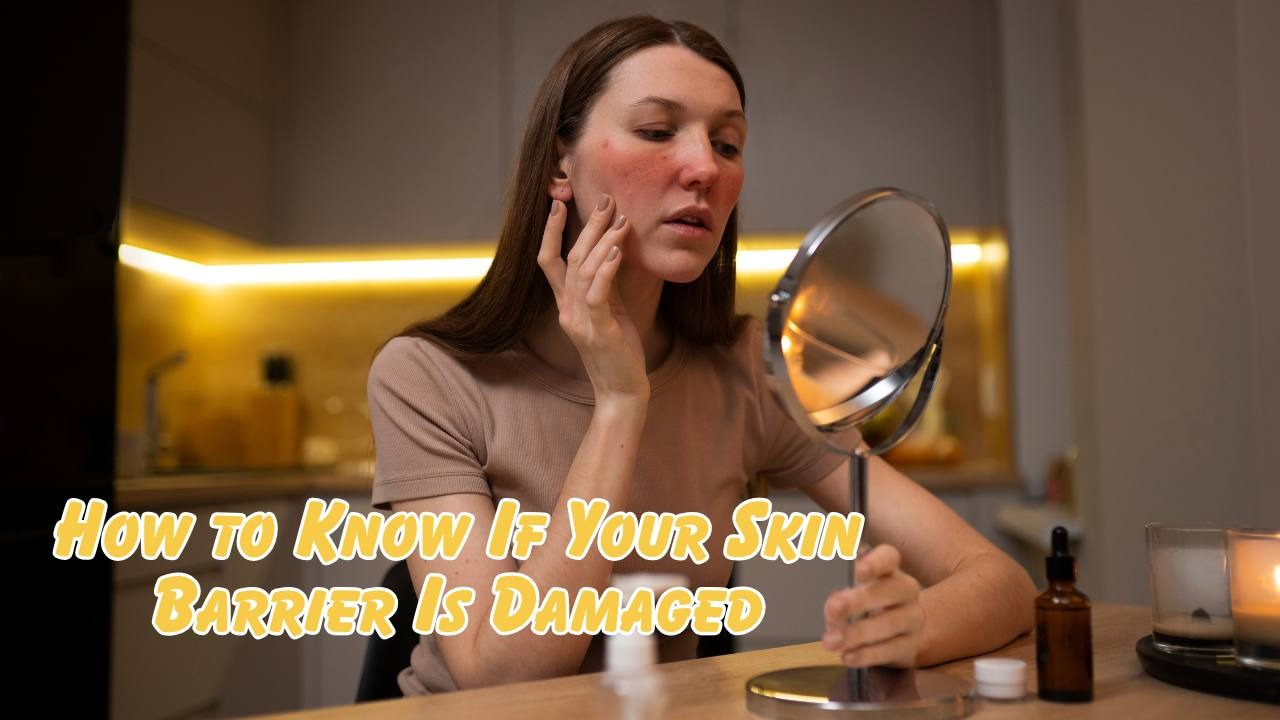
How to know if your skin barrier is damaged can be confusing, especially when you’re relying on daily skin changes instead of clinical tests. How to know if your skin barrier is damaged at home becomes easier once you understand the subtle warning signs your skin shows every day. Many people ignore early symptoms, assuming dryness or irritation is temporary, but these clues often point to skin barrier damage signs that shouldn’t be overlooked.
In this article, you’ll learn how to recognize an impaired skin barrier using simple at-home observations, without expensive tools or medical visits. We’ll explore why issues like burning skincare products, over exfoliation, sudden skin sensitivity, and persistent tightness happen, and what they mean for your skin’s health. By the end, you’ll be able to confidently assess your skin, understand what’s going wrong, and take smarter steps toward restoring balance right from the comfort of your home.
Understanding the Skin Barrier and Its Role
What the Skin Barrier Really Is
The skin barrier is the outermost protective layer responsible for locking in moisture and blocking harmful external elements. Learning How to know if your skin barrier is damaged starts with understanding how this layer functions daily. When healthy, it maintains hydration, supports a balanced skin microbiome, and protects against pollutants. Historically, dermatology focused more on treating symptoms rather than preserving this barrier, but modern skincare science now emphasizes barrier repair as the foundation of healthy skin.
Why the Skin Barrier Matters
A strong barrier ensures smooth texture, even tone, and resilience. When compromised, early signs such as transepidermal water loss, chronic dryness, and skin inflammation begin to appear. Knowing How to know if your skin barrier is damaged helps prevent long-term sensitivity and recurring irritation.
Common Causes of Skin Barrier Damage
1. Overuse of Active Ingredients
One major cause is over exfoliation, especially with acids or retinoids. Excessive use strips natural lipids, weakening defense mechanisms. People often wonder How to know if your skin barrier is damaged after introducing new products too quickly.
2. Hidden Ingredient Triggers
Some formulas contain high alcohol content or fragrance, which disrupts natural skin lipids. These triggers slowly erode protection without obvious early symptoms.
3. Environmental and Lifestyle Factors
Harsh climates, pollution, and frequent face washing disturb moisture balance. Lack of sleep and stress increase skin sensitivity, making damage more likely over time.
At-Home Signs Your Skin Barrier May Be Compromised
Physical Symptoms You Can See and Feel
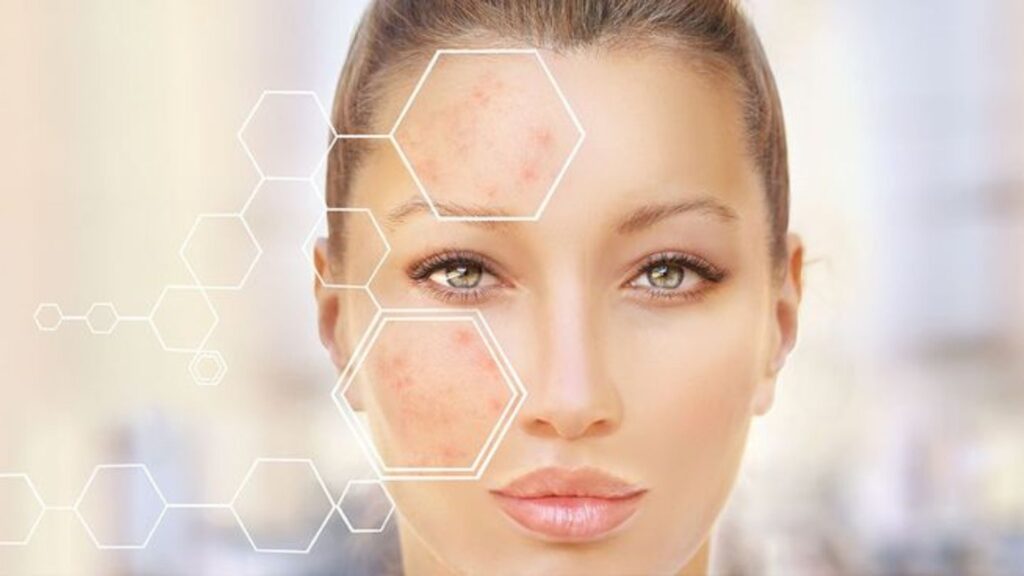
Recognizing visible changes is key to understanding How to know if your skin barrier is damaged without professional testing. Symptoms often appear subtly but worsen if ignored.
1.Persistent tightness after cleansing
2.Redness that lasts longer than usual
3.Flaking despite regular moisturizing
These signs often indicate dehydrated skin rather than simple dryness.
Sensory Reactions to Products
If your usual skincare suddenly causes stinging, it may signal burning skincare products reactions. This discomfort reflects a weakened barrier struggling to tolerate normal ingredients.
Texture and Makeup Changes
Foundation may cling unevenly due to rough skin texture, a lesser-known but telling symptom.
Long-Term Effects of Ignoring Barrier Damage
Increased Sensitivity Over Time
Without intervention, sensitivity escalates. Many people searching How to know if your skin barrier is damaged do so after months of recurring irritation. This can evolve into reactive skin, where even water feels uncomfortable.
Higher Risk of Breakouts and Aging
A damaged barrier allows bacteria penetration, leading to acne flare ups and delayed healing. It also accelerates fine lines due to constant moisture loss.
Benefits of Identifying Damage Early
Faster Recovery and Fewer Products
Early awareness reduces the need for aggressive treatments. Understanding How to know if your skin barrier is damaged allows you to simplify routines and focus on skin barrier repair.
Improved Skin Comfort and Appearance
Once protected, skin regains softness, clarity, and resilience. Balanced hydration restores moisture retention, improving overall tone and elasticity.
Practical At-Home Evaluation Methods
Daily Observation Techniques
Simple habits can reveal a lot. Tightness by noon often indicates compromised skin barrier function.
The Wash and Wait Method
Cleanse gently and wait 30 minutes without products. If discomfort increases, it suggests insufficient ceramide levels and lipid loss.
•Observe redness changes
•Notice itching or warmth
This method supports learning How to know if your skin barrier is damaged using natural cues.
Real-Life Examples of Barrier Damage
Post-Exfoliation Damage
Many users experience sudden irritation after peels or scrubs. This is a classic example of over exfoliation leading to barrier disruption.
Climate-Induced Sensitivity
People relocating to dry or cold areas often report chronic dryness and redness, confirming environmental impact.
Challenges in Restoring the Skin Barrier
Impatience and Product Overload
One challenge is expecting instant results. Healing requires time, especially when natural skin lipids are depleted. Overusing products delays recovery.
Misinterpreting Symptoms
Some confuse damage with allergies. Knowing How to know if your skin barrier is damaged prevents unnecessary product elimination.
Why Barrier Awareness Is Essential for Long-Term Skin Health
Understanding How to know if your skin barrier is damaged empowers smarter skincare decisions. It shifts focus from chasing trends to preserving foundational health. When you recognize skin barrier damage signs early, you protect your skin from sensitivity cycles, premature aging, and chronic discomfort. A healthy barrier is not a trend; it is the baseline for lasting, comfortable, and resilient skin.
Conclusion
Understanding How to know if your skin barrier is damaged empowers you to take control of your skin health before issues worsen. By recognizing early skin barrier damage signs, avoiding over exfoliation, and paying attention to skin sensitivity and burning skincare products, you can protect your skin from long-term discomfort. At-home observation, consistent routines, and supporting skin barrier repair help restore balance naturally.
Learning How to know if your skin barrier is damaged is not just about fixing problems; it’s about maintaining healthy skin, improving moisture retention, and building a routine that truly supports long-term resilience.