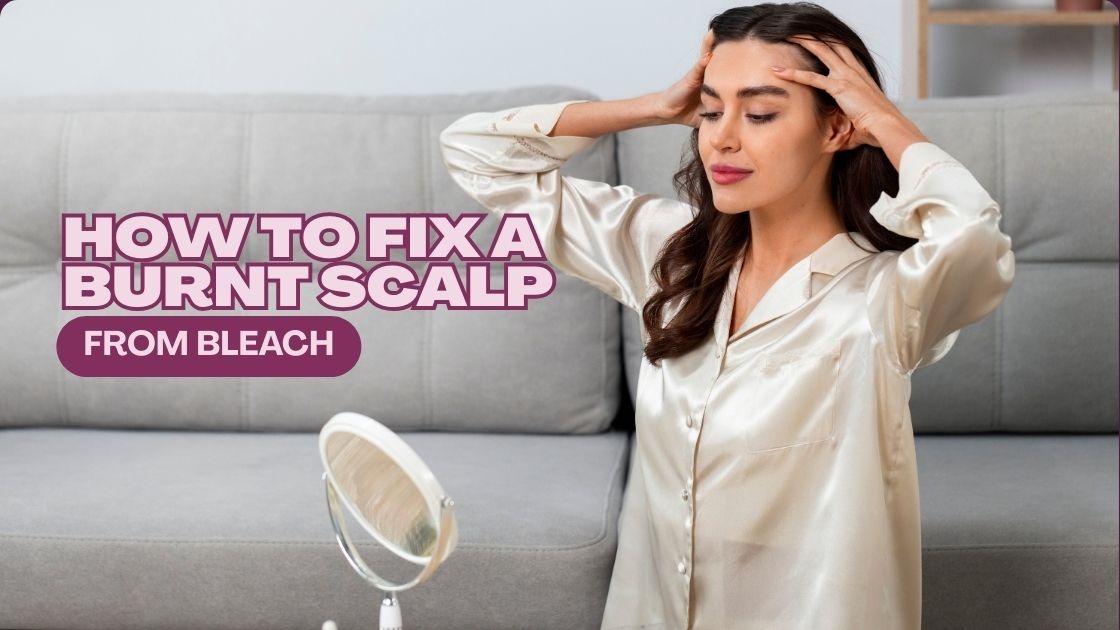
If your scalp is raw, red, or scabbing after a bleach session, the first thing you need to do is rinse the area with cool water, take an anti-inflammatory like ibuprofen, and apply a soothing agent such as pure aloe vera gel. Most mild bleach burns heal fully within seven to fourteen days when treated properly at home, according to guidance published on WebMD.
That is the short version. But how to fix a burnt scalp from bleach can range from a slight sting to blistering chemical damage, and each level demands a different response. This guide walks you through exactly what to do in the first hour, the first week, and beyond so your scalp recovers cleanly without infection, scarring, or unnecessary hair loss.
Table of Contents
Why Does Bleach Burn the Scalp in the First Place?
Bleach burns happen because the chemicals used in hair lightening are strong enough to break down melanin inside the hair shaft and those same chemicals can damage the delicate skin underneath. Most bleach formulas rely on hydrogen peroxide combined with persulfates (ammonium or potassium persulfate) to accelerate the lightening process. A clinical case study published in the journal Burns, and indexed on PubMed Central, documented how these persulfates cause continued tissue damage when left on too long, sometimes resembling full-thickness burns.
Your scalp naturally maintains a pH level ranging from 4.5 to 5.5.. Bleach operates at a pH of 9 to 11, as noted by hair science professionals at INNOluxe via Smiths Collective Brands. That massive pH gap strips the scalp’s protective acid mantle, leaving the skin exposed, dehydrated, and vulnerable to chemical injury.
Common Reasons a Bleach Session Goes Wrong
Not every bleach job results in a burn. It usually takes a specific trigger to push things from mild tingling into actual damage:
- Bleach left on too long beyond the recommended processing time
- Using a developer volume that is too high for your scalp sensitivity
- Overlapping bleach onto previously treated areas
- Shampooing right before bleaching, which strips the scalp’s natural oil barrier
- Pre-existing scalp conditions such as eczema, psoriasis, or open micro-cuts
- Hormonal timing dermatologist Dr. Francesca Fusco explained to Refinery29 that being premenstrual increases blood flow to the scalp, making it more reactive to chemicals
How to Tell if Your Scalp Burn Is Mild, Moderate, or Severe
Not all bleach burns are created equal. Recognizing the severity of your burn determines whether you treat it at home or head straight to a doctor.
| Severity Level | Symptoms | Action |
| Mild | Redness, slight stinging, minor flaking after 1-2 days | Treat at home with soothing products |
| Moderate | Persistent redness, tenderness, scabbing, localized swelling | Home treatment plus monitoring for infection |
| Severe | Blistering, weeping fluid, intense pain, open wounds, spreading redness | See a dermatologist or visit urgent care immediately |
According to Healthline, chemical burns from bleach can be superficial or deep. Superficial burns stay close to the skin’s surface and resolve on their own with proper care. Deep burns, while rare, may require medical intervention including prescription creams or even surgical treatment in extreme cases.
If your scalp is leaking fluid, swelling significantly, or showing signs of infection like pus or increasing redness days after the bleach session, do not attempt to manage it alone. That crosses the line from a cosmetic issue into a medical one.
Immediate Steps: What to Do in the First Hour After a Bleach Burn
The actions you take within the first sixty minutes have the biggest impact on how quickly and cleanly your scalp recovers.
- Rinse your scalp with cool water immediately. Not cold, not hot cool. This removes any remaining chemical residue and lowers the skin temperature. Avoid scrubbing or using shampoo during this first rinse.
- Take an over-the-counter anti-inflammatory. Dr. Francesca Fusco recommended ibuprofen to Refinery29 as a first response for swelling and pain after a bleach burn. This reduces internal inflammation before it peaks.
- Apply a cold milk compress. Dr. Fusco also suggested pouring a bowl of chilled milk over the scalp, letting it sit for three minutes, and repeating three times. The lactic acid in milk gently soothes chemical irritation without further stripping the skin.
- Do not apply any styling products, serums, or alcohol-based sprays. Your scalp is an open wound at this point. Anything with fragrance, alcohol, or silicones can intensify the burning and delay healing.
- Pat dry never rub. Use a clean, soft cotton towel and gently press it against your scalp. Rubbing will aggravate the raw skin and potentially tear any forming scabs.
These five steps form your emergency protocol. Everything that follows over the next several days builds on this foundation.
Week-by-Week Recovery: How a Burnt Scalp Heals After Bleach
Most mild to moderate bleach burns on the scalp follow a predictable healing timeline. Understanding what to expect each week prevents unnecessary panic and helps you stay on track with your recovery routine.
Days 1-3: The scalp feels tender, hot, and tight. Redness is at its peak. You may notice small areas of swelling. This is the acute inflammation phase where your skin is responding to the chemical injury. Stick to cool compresses, anti-inflammatories, and zero product application beyond aloe vera or a prescribed ointment.
Days 4-7: Scabbing begins to form over the most damaged areas. This is your skin generating a protective layer while new cells develop underneath. Do not pick at these scabs pulling them off exposes raw tissue and dramatically increases infection risk. According to WebMD, blisters that form during this stage should also be left intact because they shield the delicate healing tissue beneath.
Days 7-14: Scabs begin to loosen and fall naturally. You will likely notice flaking that resembles dandruff. As explained on STRAAND, this peeling is your scalp shedding damaged cells and is not actual dandruff it is temporary and stops once healing completes.
Weeks 3-4: For moderate burns, full sensitivity may linger for up to a month. The skin tone should return to normal, and any hair that fell out during the acute phase typically begins regrowing once the follicles are no longer inflamed.
Best Home Remedies and Products for a Bleach-Burnt Scalp
The right topical treatments speed recovery and reduce discomfort significantly. Here are the most effective options backed by dermatological reasoning.
Pure aloe vera gel sits at the top of the list. It cools on contact, delivers moisture deep into irritated skin, and carries natural anti-inflammatory properties. Apply a thin layer directly to the burnt areas twice daily. Make sure you use pure aloe not the bright green kind loaded with fragrances and alcohol.
Coconut oil works particularly well once scabbing has started. According to hair care expert Leah Marie Priest, writing for Hair Everyday, coconut oil softens scabs while its natural antibacterial qualities help protect against infection. Warm a small amount between your palms and gently press it onto the scalp two to three hours before washing.
Antibiotic ointment such as Neosporin becomes essential if any blisters pop or scabs crack open. WebMD recommends applying a thin layer during bandage changes to keep the wound moist and protected from bacteria.
Sulfate-free shampoo is non-negotiable during recovery. Standard shampoos contain sulfates that strip moisture aggressively the last thing a chemically burnt scalp needs. Switch to a gentle, pH-balanced formula for at least four to six weeks after the burn.
What to Avoid While Your Scalp Is Healing
Certain common habits can reverse your progress or worsen the damage. Steer clear of these during your recovery window.
- Heat styling tools Blow dryers, flat irons, and curling wands add thermal stress to skin that is already compromised. Let your hair air dry completely until the burn has resolved.
- Hair dye or chemical treatments No coloring, perming, relaxing, or re-bleaching until your scalp is fully healed. Professionals recommend waiting a minimum of six to eight weeks between bleach sessions even on a healthy scalp, as advised on Clinikally.
- Scratching or picking at scabs This introduces bacteria and can lead to scarring or permanent follicle damage.
- Alcohol-based hair products Hairsprays, gels, and certain dry shampoos contain alcohol that stings and dries out healing skin.
- Direct sun exposure A burnt scalp is extremely vulnerable to UV damage. Wear a loose hat or scarf when going outdoors.
When Should You See a Dermatologist?
Most bleach burns heal at home without medical intervention. However, certain warning signs demand professional attention immediately.
Visit a dermatologist or urgent care if you notice any of the following: blisters that grow larger or multiply, pus or yellow-green discharge from the burnt area, a fever developing after the burn, increasing pain rather than gradual improvement, or red streaks spreading outward from the burn site. According to Healthline, deep chemical burns from bleach can sometimes require hospitalization, surgical treatment, and may result in permanent hair loss in the affected area.
If your symptoms are worsening after three to four days rather than stabilizing, do not wait. Early intervention from a dermatologist prevents a manageable burn from becoming a serious medical issue.
How to Prevent Bleach Burns in the Future
Fixing a burnt scalp is important, but avoiding the burn entirely is always the better strategy.
Skip shampooing for three to four days before any bleach appointment. Your scalp’s natural oils form a protective barrier between the chemicals and your skin, as explained on STRAAND. Dr. Francesca Fusco took this advice further in her interview with Refinery29, recommending a coconut oil mask applied directly to the scalp four days before bleaching, followed by a gentle shampoo the next morning.
If your skin is sensitive, it’s always wise to perform a patch test before use. Your stylist can place a small dot of bleach behind your ear and monitor for a reaction over 24 to 48 hours before committing to a full application.
Speak up during the session. If you feel sharp stinging or intense heat at any point, tell your colorist immediately. As multiple professionals have emphasized, mild warmth is expected but actual pain is a signal to rinse right away.
Conclusion
A burnt scalp from bleach is painful and stressful, but it is almost always fixable with the right approach. Rinse with cool water immediately, take ibuprofen to control swelling, apply aloe vera or a cold milk compress, and then shift into a gentle recovery routine over the following one to two weeks. Avoid heat tools, harsh products, and the temptation to pick at scabs. Watch for signs of infection, and see a dermatologist if anything looks like it is getting worse instead of better.
Most importantly, protect yourself going forward by building natural oil barriers before future bleach sessions and choosing experienced colorists who prioritize scalp safety.
If this guide helped you or someone you know is dealing with a bleach burn right now, share it with them quick access to the right steps can make the difference between a smooth recovery and a prolonged one. Drop your own experience or recovery tips in the comments below.
Frequently Asked Questions
Q1: How long does a burnt scalp from bleach take to heal? Mild bleach burns typically heal within seven to fourteen days with proper home care. Moderate burns involving scabbing may take three to four weeks before the scalp returns completely to normal.
Q2: Can a bleach burn on the scalp cause permanent hair loss? In most mild to moderate cases, hair loss is temporary and regrowth begins once the scalp inflammation subsides. Severe deep burns, however, can damage hair follicles permanently, which is why early medical intervention matters for serious burns.
Q3: Is it safe to wash my hair after a scalp bleach burn? Yes, but wait at least 24 to 48 hours after the burn before washing. When you do wash, use only lukewarm water and a sulfate-free shampoo. Avoid scrubbing the burnt areas and let the water flow gently over your scalp instead.
Q4: Can I apply coconut oil directly to a fresh bleach burn? It is better to wait until the acute redness and heat have subsided usually after 24 to 48 hours. During the initial phase, cool water rinses and pure aloe vera gel are safer choices. Coconut oil works best once scabbing begins and the skin needs softening and moisture.
Q5: Should I pop blisters that form on my scalp after bleaching? No. Blisters act as a natural bandage protecting the raw tissue underneath. Popping them opens the door to bacterial infection and slows down the healing process. If a blister breaks on its own, clean the area gently and apply a thin layer of antibiotic ointment.
Q6: When is a bleach burn serious enough to see a doctor? Seek medical help if you notice spreading redness, pus or discharge, fever, worsening pain after three days, or large blisters that keep growing. These are signs of a deeper chemical burn or developing infection that requires professional treatment beyond home remedies.