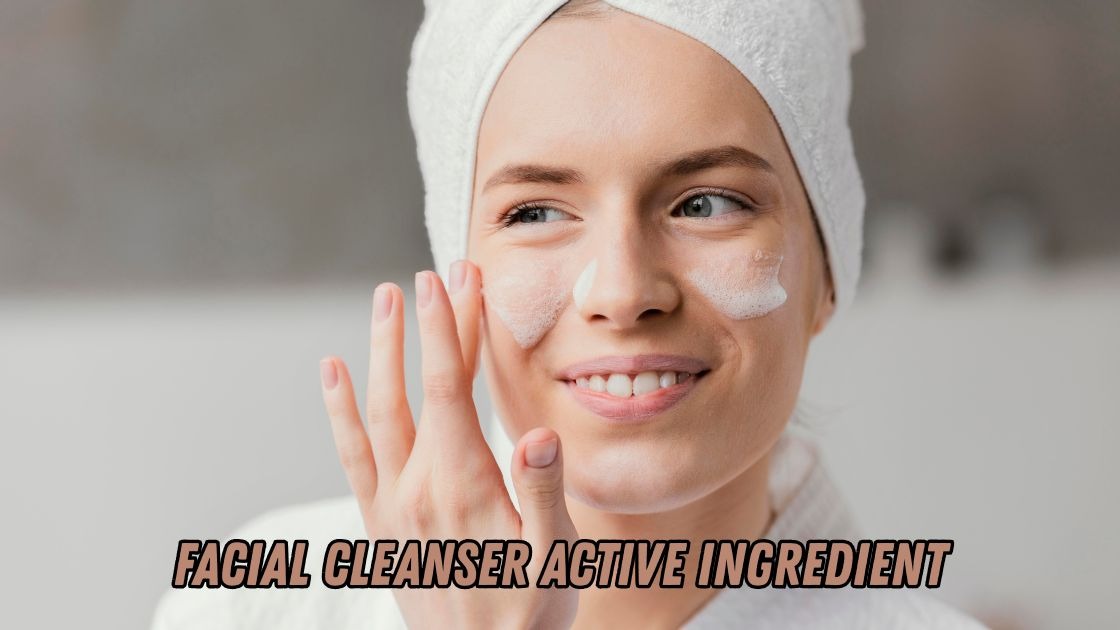
Choosing the right facial cleanser active ingredient can transform your entire skincare routine and deliver visible results. With countless products lining store shelves, understanding what goes into your cleanser helps you make smarter choices for your unique skin type. Whether you’re battling acne-prone skin, dealing with dryness, or simply seeking a gentle daily cleanser, the ingredients matter more than fancy packaging or brand names.
This comprehensive guide breaks down the most effective components found in modern cleansers. You’ll discover which substances target specific concerns, how they work at a cellular level, and which combinations suit different complexions. By the end, you’ll confidently navigate product labels and select formulations that genuinely benefit your skin health without wasting money on ineffective options.
Understanding What Makes Cleansers Effective
The facial cleanser active ingredient in your product determines how well it removes impurities while maintaining your skin’s natural balance. These powerful substances work at the molecular level to dissolve dirt, excess oil, and makeup without stripping essential moisture. Modern formulations combine science with nature to deliver targeted results for every concern imaginable.
The Science Behind Cleansing Formulas
When you apply a cleanser, active compounds interact with sebum and environmental pollutants on your skin’s surface. Surfactants attract both water and oil molecules, lifting debris away during rinsing. Meanwhile, specialized ingredients penetrate pores to dissolve buildup that causes blackheads and congestion. This dual action ensures thorough cleansing without compromising your skin barrier.
Popular Types of Active Ingredients in Cleansers
Salicylic Acid for Oily and Acne Prone Skin
This beta hydroxy acid remains a gold standard facial cleanser active ingredient for those battling breakouts. It penetrates oil filled pores to dissolve dead skin cells and prevent clogged pores. Regular use reduces inflammation and minimizes future blemishes while promoting clearer complexions.
Glycolic Acid for Brightening
Belonging to the alpha hydroxy acid family, glycolic acid excels at exfoliation and cell turnover. This ingredient removes dull surface cells to reveal brighter skin underneath. It also stimulates collagen production over time, making it ideal for those concerned with fine lines and uneven texture.
Hyaluronic Acid for Hydration
Unlike other acids, hyaluronic acid focuses on moisture retention rather than exfoliation. This facial cleanser active ingredient attracts water molecules to keep skin plump and hydrated during cleansing. It suits sensitive skin beautifully and prevents that tight, uncomfortable feeling after washing.
Niacinamide for Multiple Benefits
This versatile vitamin B3 derivative addresses numerous concerns simultaneously. It regulates oil production, minimizes pore appearance, and strengthens the protective barrier. Additionally, niacinamide fades dark spots and calms redness, making it universally beneficial.
Key Benefits of Choosing the Right Ingredients
Selecting appropriate active compounds delivers remarkable advantages for your complexion. Consider these significant benefits:
- Targeted treatment addresses your specific skin concerns effectively
- Improved texture and tone develop with consistent use
- Better absorption of subsequent serums and moisturizers occurs
- Long term skin health improves through proper ingredient matching
- Reduced irritation happens when formulas suit your skin type
How Different Ingredients Work Together
Many modern cleansers combine multiple active compounds for enhanced results. A facial cleanser active ingredient like tea tree oil might pair with salicylic acid for powerful antibacterial action. Similarly, ceramides often accompany hyaluronic acid to boost hydration and repair. Understanding these synergies helps you choose products that deliver comprehensive care.
Selecting Ingredients Based on Skin Type
For Dry and Sensitive Complexions
Gentle formulations containing aloe vera, ceramides, and hyaluronic acid work best. Avoid harsh sulfates and strong acids that might cause irritation or flaking. Look for cream based cleansers with soothing botanical extracts.
For Oily and Combination Skin
Opt for products featuring salicylic acid, charcoal, or clay as the primary facial cleanser active ingredient. These substances control shine and deep clean pores without over drying. Gel formulas typically suit these skin types perfectly.
Tips for Maximizing Ingredient Effectiveness
Follow these recommendations to get optimal results from your chosen cleanser:
- Always patch test new products before full application
- Use lukewarm water to help ingredients work properly
- Massage gently for sixty seconds to allow penetration
- Rinse thoroughly to prevent residue buildup
- Follow with appropriate toner and moisturizer
Common Mistakes to Avoid
Many people undermine their cleanser’s effectiveness through improper use. Over cleansing strips natural oils and triggers increased sebum production. Using water that’s too hot damages the moisture barrier and causes sensitivity. Additionally, switching products too frequently prevents any facial cleanser active ingredient from showing results.
The Importance of Reading Labels Carefully
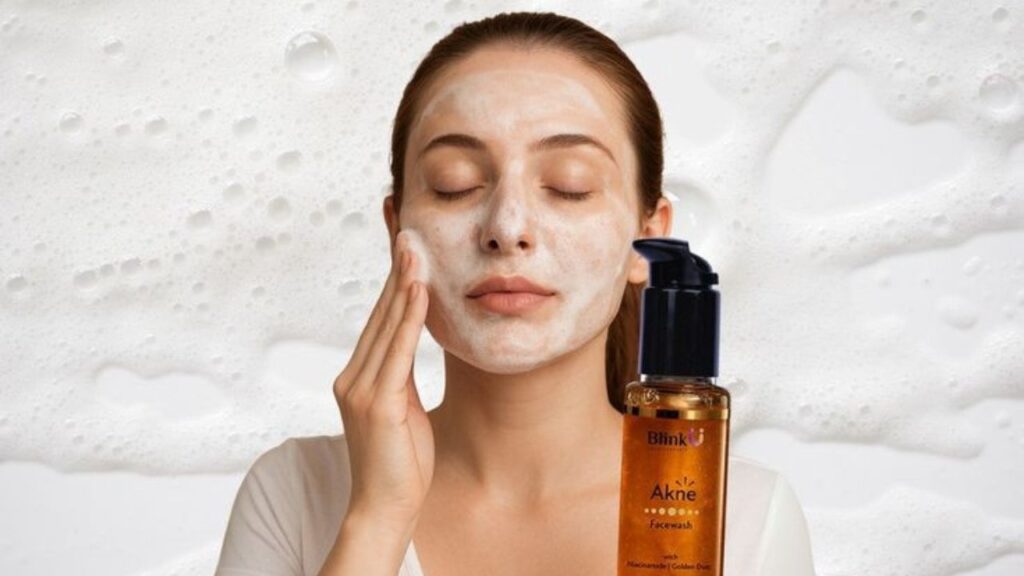
Understanding ingredient lists empowers smarter purchasing decisions. Active compounds typically appear near the beginning, indicating higher concentrations. Watch for potential irritants like artificial fragrances and alcohol if you have reactive skin. Quality formulations list beneficial ingredients prominently while minimizing unnecessary fillers.
Conclusion
Understanding your facial cleanser active ingredient transforms how you approach skincare and helps you achieve the complexion you deserve. From salicylic acid tackling breakouts to hyaluronic acid boosting hydration, each compound serves a unique purpose for different skin types. The key lies in identifying your specific concerns and matching them with appropriate formulations.
Investing time in learning about these powerful substances pays dividends through healthier, more radiant skin. Remember that consistency matters when using any facial cleanser active ingredient, so give products adequate time to deliver results. Your journey toward better skin health starts with informed choices and proper application techniques.