Living with extreme eczema on body can feel overwhelming and emotionally exhausting. This chronic skin condition affects millions worldwide, causing intense discomfort that disrupts daily life and sleep quality. When severe skin inflammation spreads across large areas, simple activities like showering or wearing certain fabrics become painful challenges.
This comprehensive guide explores everything you need to know about managing widespread eczema flare-ups. You’ll discover the root causes behind atopic dermatitis, recognize warning signs of intense itching and redness, and learn proven strategies for relief. We’ll also discuss effective moisturizing treatments and lifestyle changes that can help restore your skin’s health. Whether you’re newly diagnosed or seeking better management techniques, this article provides practical solutions to help you regain comfort and confidence in your skin.

Understanding Extreme Eczema on Body
Extreme eczema on body refers to a severe form of atopic dermatitis that spreads across multiple skin areas. This inflammatory skin disease causes widespread patches of dry, cracked, and irritated skin. Unlike mild cases that affect small areas, severe eczema can cover the arms, legs, torso, and face simultaneously.
The condition results from a combination of genetic factors and environmental triggers. When the skin barrier becomes compromised, moisture escapes while irritants enter easily. This creates a cycle of inflammation that becomes increasingly difficult to control without proper intervention.
How Common Is Severe Eczema?
Research shows that approximately 10 to 20 percent of children and 3 percent of adults experience eczema. Among these individuals, a significant portion develops severe skin inflammation requiring medical treatment. The condition often begins in childhood but can persist or even start during adulthood.
Primary Causes of Widespread Eczema Flare Ups
Understanding what triggers extreme eczema on body helps you develop effective prevention strategies. Multiple factors contribute to severe outbreaks.
Genetic and Immune Factors
Your genetic makeup plays a crucial role in eczema development. People with a family history of allergic conditions like asthma or hay fever face higher risks. The immune system overreacts to substances that wouldn’t normally cause problems, leading to chronic skin irritation.
Environmental Triggers
Common triggers that worsen extreme eczema on body include:
- Harsh soaps and detergents that strip natural oils
- Extreme temperatures and low humidity levels
- Certain fabrics like wool and synthetic materials
- Dust mites, pet dander, and pollen exposure
- Stress and emotional factors
- Food allergies in some individuals
Recognizing Symptoms of Severe Eczema
Extreme eczema on body presents distinctive symptoms that differ from mild cases. Early recognition helps you seek appropriate treatment faster.
Physical Signs to Watch
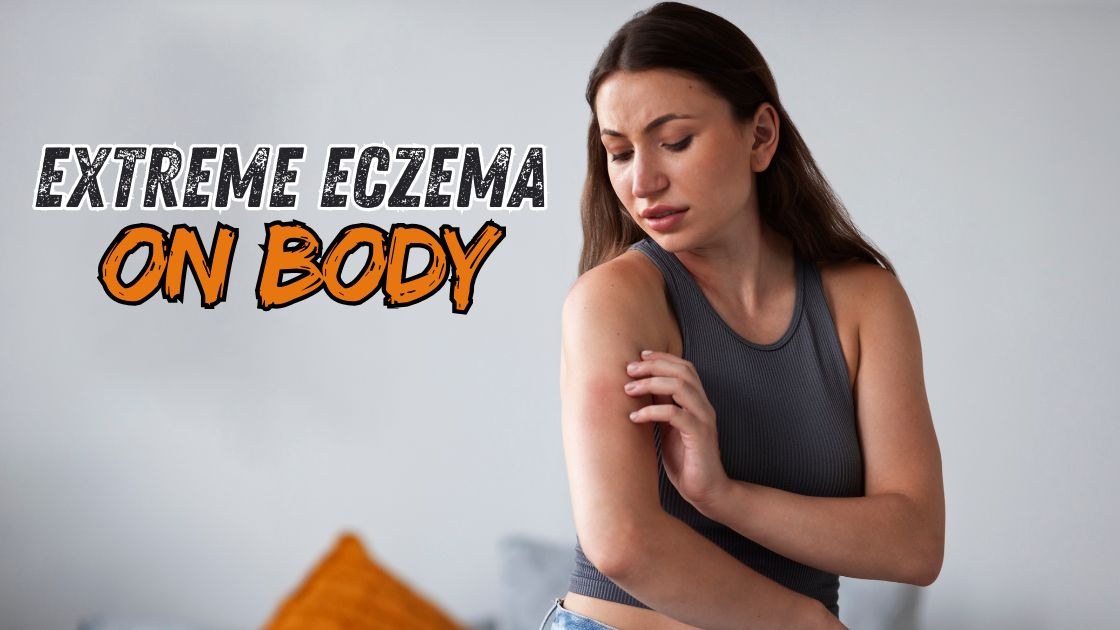
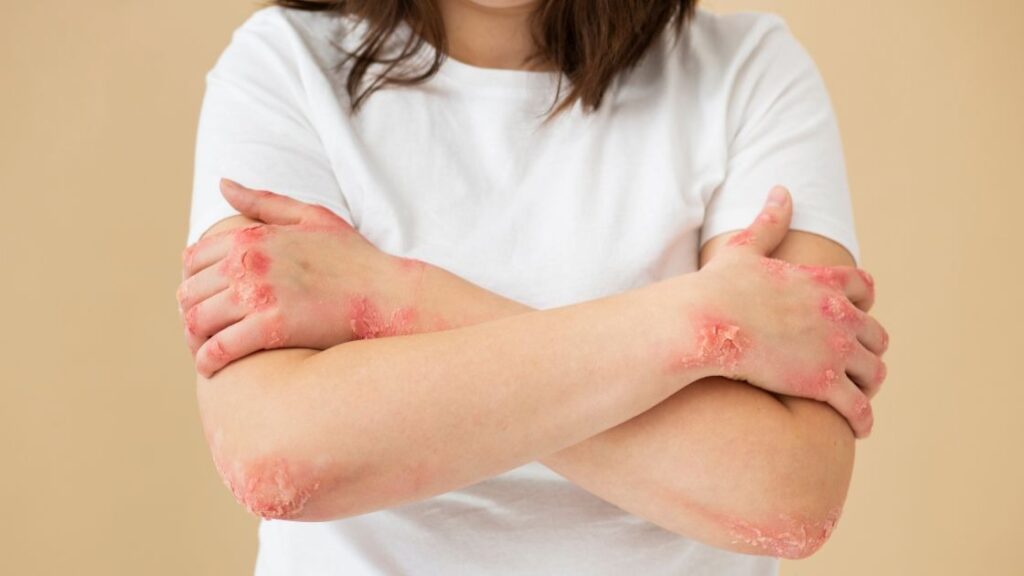
The most noticeable eczema symptoms include intense itching that disrupts sleep and daily activities. You may also observe thick, scaly patches that appear leathery from repeated scratching. Skin redness and swelling often accompany these symptoms.
Weeping or oozing lesions indicate more severe inflammation. Some people develop painful cracks that may bleed, increasing infection risk. Dry skin patches spread across larger body areas as the condition progresses.
Emotional Impact
Living with widespread eczema affects mental health significantly. Many people experience embarrassment, anxiety, and depression. Sleep deprivation from nighttime itching compounds these emotional challenges.
Effective Treatment Approaches
Managing extreme eczema on body requires a comprehensive approach combining medical treatments and lifestyle modifications.
Medical Treatments
Dermatologists typically recommend a stepped approach based on severity:
- Topical corticosteroids reduce inflammation during flare ups
- Moisturizing treatments restore the skin barrier daily
- Immunosuppressant medications for resistant cases
- Biologic drugs targeting specific immune responses
- Phototherapy using controlled UV light exposure
Home Care Strategies
Consistent daily care prevents flare ups and supports healing. Apply thick emollients immediately after bathing to lock in moisture. Choose fragrance free products designed for sensitive skin to minimize irritation.
Lukewarm baths with colloidal oatmeal soothe inflammation naturally. Wearing soft, breathable cotton clothing reduces friction against affected areas. Keeping fingernails short prevents skin damage from scratching.
Living Well With Chronic Eczema
While extreme eczema on body presents ongoing challenges, many people successfully manage their condition. Working closely with healthcare providers helps you find the right treatment combination.
Building Your Support System
Connecting with others who understand your experience provides emotional relief. Support groups offer practical tips and encouragement. Educating family members about your condition helps them provide better support.
Tracking Your Triggers
Maintaining a symptom diary reveals patterns you might otherwise miss. Record foods eaten, products used, stress levels, and weather conditions. This information helps your dermatologist customize your treatment plan effectively.
Managing extreme eczema on body requires patience and persistence. With proper care and medical guidance, you can achieve clearer skin and improved quality of life.
Conclusion
Managing extreme eczema on body requires understanding your triggers and maintaining consistent skincare routines. This chronic skin condition demands patience, but effective relief is achievable with the right approach. By combining medical treatments with proper moisturizing habits and lifestyle adjustments, you can significantly reduce flare ups and discomfort.
Remember that everyone’s skin responds differently to treatments. Working with a qualified dermatologist ensures you receive personalized care tailored to your specific needs. Don’t let severe eczema control your life. Take proactive steps today to protect your skin barrier and enjoy healthier, more comfortable skin tomorrow.