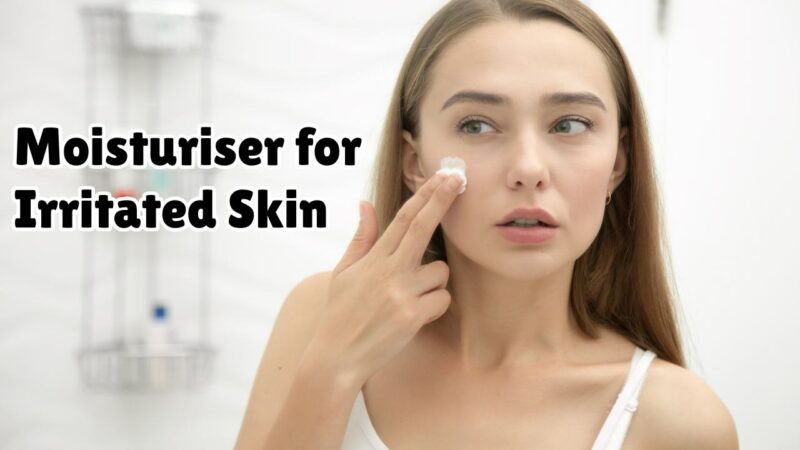

Understanding the best time to put hyaluronic acid can completely transform your skincare routine. This powerful hydrating serum has become a must-have ingredient, but timing and technique matter more than most people realize.
Whether you apply it morning or night, the secret lies in knowing exactly when your skin can absorb maximum moisture. Many skincare enthusiasts make common mistakes that reduce effectiveness, leaving their skin less plump and hydrated than expected.
In this comprehensive guide, you’ll discover the optimal application windows, learn whether damp skin truly makes a difference, and understand how to layer this moisture-binding ingredient with other products. Get ready to unlock the full potential of your hyaluronic acid and achieve that coveted dewy glow!

Understanding Hyaluronic Acid and the Importance of Application Timing
Hyaluronic acid is a naturally occurring substance in your body that holds up to 1000 times its weight in water. This remarkable humectant works by drawing moisture from the environment and deeper skin layers to keep your complexion hydrated and youthful. However, applying it at the wrong moment can actually backfire, leaving your skin feeling tight and dry instead of supple.
The best time to put hyaluronic acid depends on several factors including your skin type, climate, and overall skincare goals. When applied correctly, this ingredient plumps fine lines, boosts skin elasticity, and creates a smooth canvas for makeup application.
Morning vs Night Application
Benefits of Morning Application
Applying hyaluronic acid in the morning creates an excellent hydration base for your daytime products. Your skin loses moisture overnight, making the AM hours ideal for replenishment. Additionally, this water-binding molecule helps your sunscreen and moisturizer absorb better while providing all day dewiness.
Morning application also protects against environmental stressors like pollution and air conditioning that constantly strip moisture from your skin throughout the day.
Benefits of Nighttime Application
Using hyaluronic acid before bed allows your skin to maximize its natural overnight repair process. During sleep, your body increases blood flow to the skin, enhancing product absorption and cellular regeneration. The best time to put hyaluronic acid for anti-aging benefits is often at night when combined with retinol or peptides.
Nighttime use ensures uninterrupted hydration without interference from makeup, sweat, or environmental factors.
The Golden Rule: Always Apply on Damp Skin
Why Moisture Matters
The best time to put hyaluronic acid is immediately after cleansing while your face remains slightly wet. This creates the perfect environment for the ingredient to work its magic. When applied to damp skin, hyaluronic acid pulls that surface moisture deep into your epidermis layers.
Applying to completely dry skin in low humidity environments can cause the opposite effect. The molecule may draw water from your deeper skin layers instead, potentially causing dehydration.
How to Properly Dampen Your Skin
Follow these steps for optimal results:
- Cleanse your face with a gentle pH balanced cleanser
- Pat your skin gently leaving it 70% damp
- Apply your hyaluronic acid serum within 60 seconds
- Press the product into skin using gentle patting motions
- Follow immediately with a moisturizer to seal hydration
Factors That Influence Optimal Application Time
Climate and Humidity Levels
Your environment significantly impacts when and how to use this ingredient. In humid climates, hyaluronic acid thrives by pulling abundant atmospheric moisture into your skin. In dry or cold environments, you must layer a occlusive moisturizer on top to prevent moisture loss.
Your Skin Type Considerations
Different skin types respond uniquely to application timing:
- Oily skin benefits from lightweight morning application
- Dry skin needs both AM and PM application
- Sensitive skin should start with nighttime use only
- Combination skin works well with targeted zone application
- Mature skin gains maximum benefits from twice daily use

Expert Tips for Maximum Effectiveness
Understanding the best time to put hyaluronic acid goes beyond just morning or night decisions. Layer from thinnest to thickest consistency, applying water based serums before heavier creams. Never mix directly with strong acids like glycolic or salicylic in the same routine step.
Consider using different molecular weights for comprehensive hydration. Low molecular weight penetrates deeper while high molecular weight hydrates surface layers. Many modern formulas combine both for complete skin barrier support.
Common Mistakes to Avoid
Many people unknowingly reduce their serum’s effectiveness. Waiting too long after cleansing allows skin to dry completely, diminishing absorption. Skipping moisturizer afterward lets all that attracted hydration evaporate. Using too much product doesn’t increase benefits and wastes your investment.
The best time to put hyaluronic acid becomes irrelevant if you’re storing it improperly. Keep your serum away from direct sunlight and extreme temperatures to maintain its potency and effectiveness.
Conclusion
Mastering the best time to put hyaluronic acid can dramatically elevate your skincare results. Remember that applying this powerful hydrating ingredient on damp skin immediately after cleansing maximizes absorption and effectiveness. Whether you choose morning application for daytime protection or nighttime use for enhanced repair, consistency remains essential.
Always seal with a quality moisturizer and adjust your routine based on climate conditions and skin type. Understanding the best time to put hyaluronic acid transforms this simple step into a game-changing hydration strategy. Start implementing these tips today and watch your skin become noticeably more plump, radiant, and youthful within weeks!