Finding the best sunblock in winter is essential for protecting your skin from harmful rays year-round. Many people skip UV protection during colder months, unaware that sun damage occurs even on cloudy, freezing days. Snow can reflect up to 80% of UV rays, doubling your exposure and accelerating premature aging.
This comprehensive guide will help you understand why winter skincare demands proper sun protection. We’ll explore top-rated formulas that shield your face without causing dry skin or irritation. Whether you’re hitting the slopes or simply commuting to work, choosing the right SPF moisturizer makes all the difference. Get ready to discover products that keep your complexion safe, hydrated, and radiant throughout the chilly season ahead.
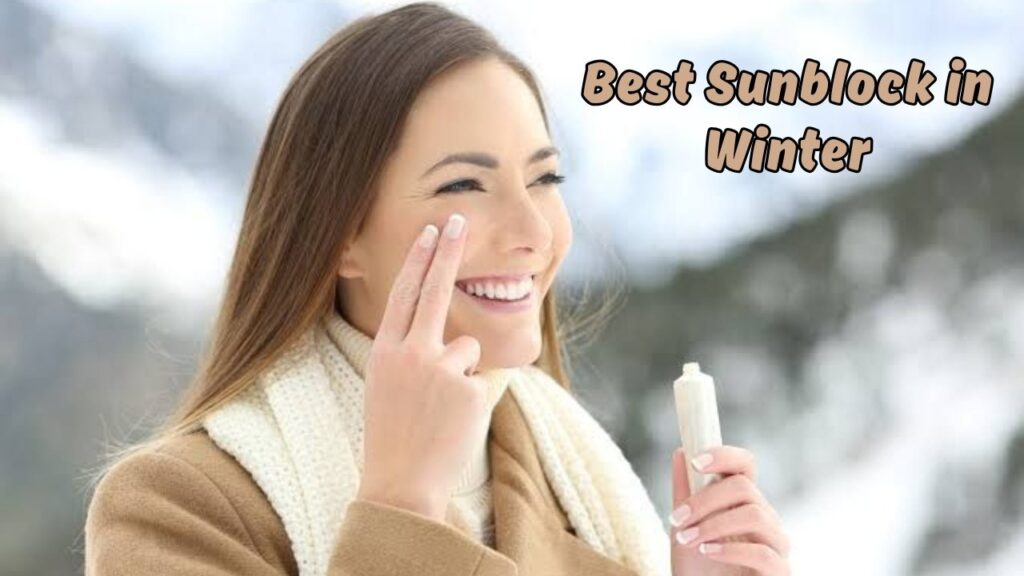
Why You Need the Best Sunblock in Winter
Many people mistakenly believe that sunscreen is unnecessary once temperatures drop. However, ultraviolet rays remain just as powerful during winter months. The sun sits lower in the sky, but UVA rays penetrate clouds and even glass windows. These rays cause collagen breakdown, leading to wrinkles and fine lines over time.
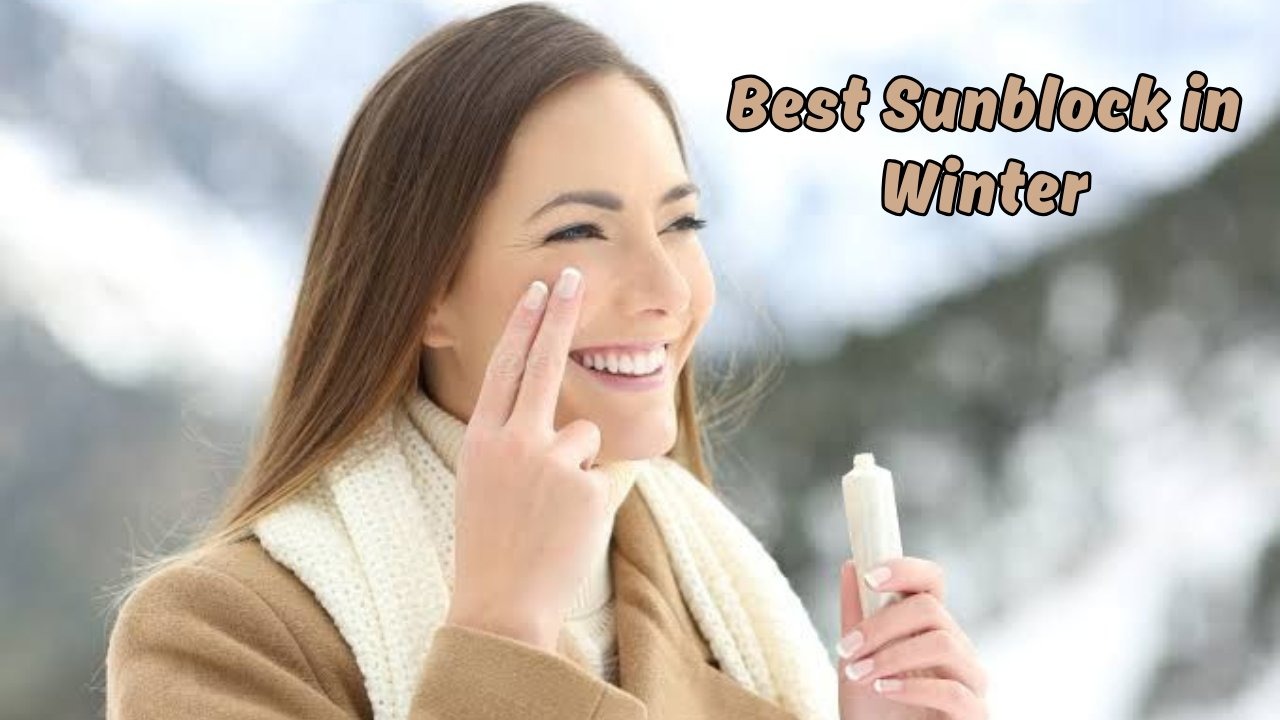
Snow covered landscapes create an additional hazard by reflecting UV radiation back onto your skin. Skiers and snowboarders face double exposure from both direct sunlight and reflected rays. Choosing the best sunblock in winter protects against this invisible threat while keeping your complexion healthy and youthful.
Understanding UV Exposure During Cold Months
The ozone layer thins during winter in many regions, allowing more harmful rays to reach the earth’s surface. Even on overcast days, approximately 80% of UV radiation passes through clouds. This means your skin suffers damage whether you see the sun or not.
High altitude activities increase your risk significantly. For every 1,000 feet of elevation gain, UV exposure increases by roughly 10%. Mountain enthusiasts absolutely need reliable broad spectrum protection to prevent sunburn and long term skin concerns.
Key Features to Look for in Winter Sunscreen
Finding the best sunblock in winter requires understanding what makes a formula effective for cold weather conditions. Not all sunscreens perform equally when temperatures plummet and humidity drops.
Moisturizing Ingredients Matter
Winter air strips moisture from your skin rapidly. Look for sunblocks containing hyaluronic acid, glycerin, and ceramides. These ingredients lock in hydration while the SPF shields against UV damage. Cream based formulas work better than lightweight lotions during colder months.
SPF and Broad Spectrum Protection
Skincare experts suggest applying a minimum of SPF 30 throughout all seasons. However, the best sunblock in winter should offer broad spectrum coverage protecting against both UVA and UVB rays. UVA rays accelerate skin aging whereas UVB rays trigger painful sunburns. You need defense against both types.
Physical vs Chemical Sunscreens
- Physical sunscreens contain zinc oxide or titanium dioxide that sit on skin and reflect rays
- Chemical sunscreens soak up UV rays and transform them into harmless heat energy.
- Physical formulas tend to be gentler on sensitive skin types
- Chemical options often blend more seamlessly without leaving white residue
- Combination formulas offer benefits of both technologies for maximum protection

Benefits of Using Sunblock During Winter
Applying the best sunblock in winter delivers numerous advantages beyond simple sun protection. Your entire skincare routine benefits from this essential step.
Prevents Premature Aging
Regular sunscreen application can decrease visible aging signs by nearly one quarter. Fine lines, dark spots, and uneven skin tone develop more slowly when you protect against daily UV exposure. This simple habit keeps your complexion looking younger longer.
Reduces Skin Cancer Risk
Melanoma and other skin cancers develop from cumulative sun exposure over your lifetime. Winter protection contributes significantly to lowering your overall risk. Every day without sunscreen adds to potential damage.
Top Tips for Applying Winter Sunscreen
Getting maximum benefit from the best sunblock in winter requires proper application techniques. Follow these recommendations for optimal results.
- Put on sunscreen at least 15 minutes prior to stepping outside for optimal absorption.
- Use approximately a nickel sized amount for your face and neck area
- Reapply every two hours during extended outdoor activities
- Cover often forgotten areas including ears, lips, and the back of hands
- Layer sunscreen under your winter moisturizer or makeup for seamless protection
Recommended Types for Different Skin Concerns
The best sunblock in winter varies depending on individual skin needs. Oily skin types should choose lightweight, non comedogenic formulas that prevent clogged pores. Those with dry skin benefit from rich, cream based options containing nourishing oils.
People dealing with rosacea or eczema should select mineral sunscreens with minimal ingredients. Fragrance free options reduce irritation risk while still providing excellent protection. Tinted formulas offer the added benefit of evening out skin tone without requiring additional makeup products.
Conclusion
Protecting your skin during colder months is just as crucial as summer sun care. Choosing the best sunblock in winter ensures your complexion stays shielded from harmful UV rays that cause premature aging and skin damage. Remember to select broad spectrum SPF formulas with hydrating ingredients that combat dry skin while providing adequate protection.
Consistent daily application remains the key to maintaining healthy skin throughout the season. Whether you’re enjoying outdoor activities or running daily errands, never skip this essential step. Investing in the best sunblock in winter today prevents long term consequences and keeps your skin glowing, youthful, and protected all year round.