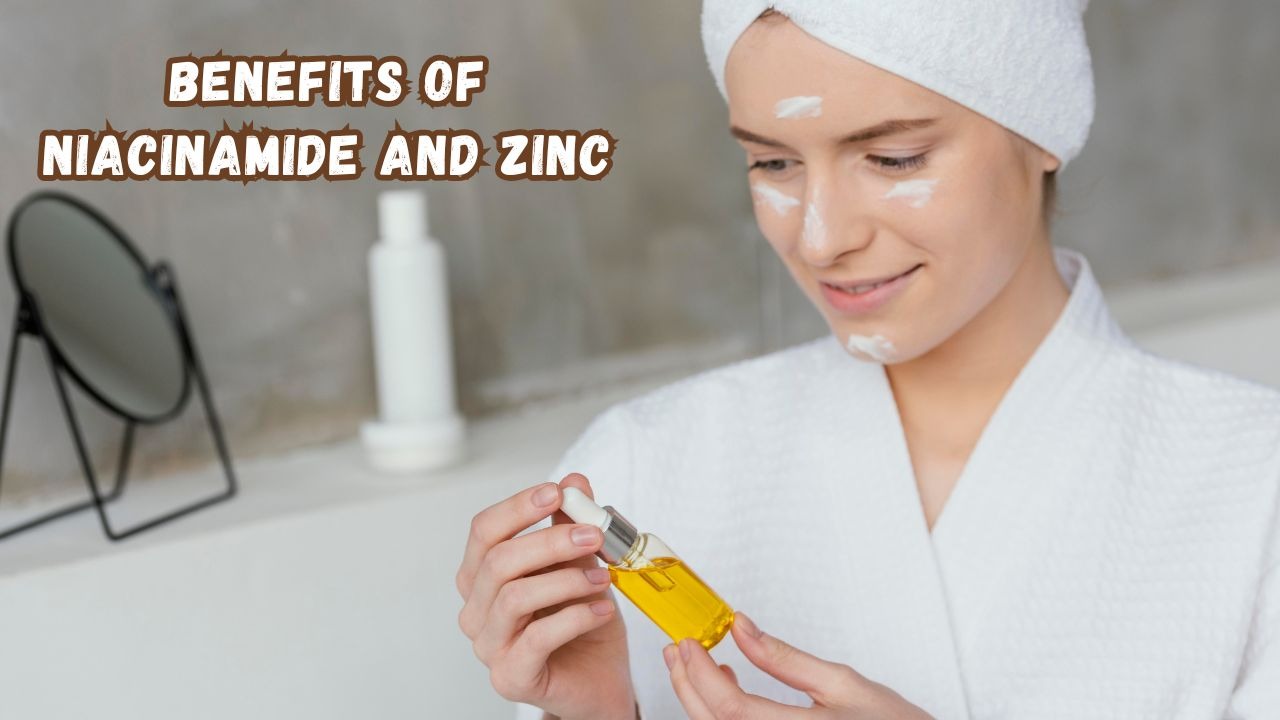
Benefits of niacinamide and zinc reach far deeper than the average skincare trend would suggest. In my twelve years of treating acne, rosacea, and premature aging in clinical practice, few ingredient pairings have earned as consistent a recommendation from dermatologists as this one. When formulated together, niacinamide (the active form of vitamin B3) and zinc address oil overproduction, persistent breakouts, post-acne dark marks, and a weakened moisture barrier all without the harsh side effects that stronger prescription actives often carry.
What separates this duo from other skincare combinations is how each ingredient solves skin issues from an entirely different direction. Niacinamide works at the cellular level driving lipid synthesis, silencing inflammatory signals, and interrupting the pigment-delivery process that causes dark spots. Zinc operates at the outermost surface mopping up excess sebum, creating an antibacterial shield, and calming visible redness on contact. One ingredient builds resilience from the inside; the other manages damage control on the outside.
This guide covers every verified advantage of using niacinamide and zinc together, identifies which skin types see the strongest results, compares topical versus oral delivery, explains how this pairing stacks up against competing skincare duos, walks through the correct application method, and flags what side effects to monitor all grounded in published peer-reviewed research and firsthand clinical observation.
Table of Contents
What Exactly Are Niacinamide and Zinc?
Niacinamide (also known as nicotinamide) is a water-soluble member of the vitamin B3 family that the human body can neither produce nor store on its own. At the cellular level, it serves as the raw material for two coenzymes NAD+ and NADPH that power virtually every repair, energy-production, and antioxidant-defense process inside your skin cells. A 2025 comprehensive review published in Medicina identifies niacinamide as an essential precursor that restores mitochondrial energy, participates in DNA damage repair, and actively suppresses the release of pro-inflammatory cytokines in cutaneous tissue.
Zinc is the second most abundant trace mineral in the entire human body, yet it also cannot be manufactured internally. In topical skincare serums, zinc most commonly appears as zinc PCA a specialized form bonded to pyrrolidone carboxylic acid, which doubles as a natural moisturizing factor found in healthy skin. This molecular pairing enables zinc to regulate oil output without stripping away hydration. According to a Cochrane-referenced pharmacist analysis published by QRxLabs, topical zinc has demonstrated reliable efficacy in managing acne vulgaris through its combined sebum-controlling and inflammation-reducing mechanisms.
In my clinical experience, patients often confuse niacinamide with niacin its flushing-prone relative. The distinction matters: topical niacinamide does not cause the vasodilation and redness associated with nicotinic acid, which is why it carries a far superior tolerability profile for skincare use.
The Science Behind How Niacinamide and Zinc Work Together
Understanding the distinct biological pathways each ingredient activates explains why this combination outperforms either one used in isolation.
Niacinamide’s Deep-Layer Cellular Actions
Niacinamide penetrates beyond the skin’s surface into the lower epidermal layers, where it initiates a series of measurable protective responses. Its most thoroughly documented effect is stimulating the biosynthesis of ceramides the essential fatty molecules that function as structural mortar between skin cells. A landmark study published in the British Journal of Dermatology demonstrated that niacinamide increased ceramide production by 4.1 to 5.5-fold in cultured human keratinocytes, while simultaneously elevating free fatty acid synthesis by 2.3-fold and cholesterol synthesis by 1.5-fold. This triple lipid boost directly translates into a denser, more water-retentive moisture barrier.
Beyond barrier fortification, niacinamide also disrupts the physical transfer of melanin-containing packages (called melanosomes) from pigment-producing melanocytes to surface keratinocytes. This mechanism is what gradually fades existing dark spots, sun damage, and post-acne marks without aggressive chemical bleaching. A 12-week split-face clinical trial published in the Journal of the American Academy of Dermatology confirmed that topical niacinamide produced measurable improvements in hyperpigmentation, fine wrinkles, skin texture, red blotchiness, and sallowness compared to placebo.
Additionally, a 12-week clinical study cited by Dermatology Times found that a 5% niacinamide emulsion delivered a 21% improvement in fine lines, a 14% boost in skin tone clarity, and a 15% increase in radiance reinforcing its anti-aging credentials beyond oil and acne management alone.
Zinc’s Surface-Level Protective Actions
Zinc addresses skin issues closer to the outermost epidermal layer. It actively regulates the volume of oil your sebaceous glands release, prevents dead keratinocytes from clumping together inside pore openings, and establishes a mild antimicrobial environment that suppresses the colonization of Cutibacterium acnes the primary bacterial contributor to inflammatory breakouts. A study indexed on PubMed confirms that the niacinamide-zinc combination is being actively evaluated in clinical settings for inflammatory skin conditions including acne vulgaris and bullous pemphigoid.
According to DermNet NZ, a leading dermatological reference managed by New Zealand dermatologists, a controlled clinical trial found that 4% nicotinamide gel matched the effectiveness of the topical antibiotic 1% clindamycin gel in treating moderate acne demonstrating that niacinamide’s antibacterial contribution is clinically meaningful, not merely theoretical.
When layered together, niacinamide rebuilds cellular architecture and calms internal inflammation while zinc manages surface-level oil, bacteria, and redness creating a dual-action system that covers breakout-prone and aging skin from two completely independent angles.
9 Evidence-Based Benefits of Niacinamide and Zinc for Skin
Below are the core, research-verified advantages this duo delivers when applied consistently:
- Manages excess sebum and oiliness Niacinamide normalizes oil gland activity at the cellular level while zinc PCA absorbs surface shine throughout the day. A 2024 review in Pharmaceutics (PMC) confirmed that preparations containing 2–5% niacinamide effectively lower sebum output in clinical acne patients.
- Minimizes visible pore size By clearing out trapped oil and dead-cell congestion while tightening the surrounding tissue through improved barrier function, pores appear noticeably smaller within weeks. This is one of the most commonly reported benefits of niacinamide and zinc in before-and-after patient observations.
- Soothes inflammation, redness, and irritation Both ingredients carry independent anti-inflammatory pathways. Niacinamide inhibits pro-inflammatory cytokines (including IL-1, IL-8, and TNF-alpha), while zinc calms surface-level swelling making this pair especially effective for rosacea-prone and sensitive complexions.
- Strengthens and repairs the skin’s moisture barrier Niacinamide upregulates serine palmitoyltransferase, the enzyme responsible for driving sphingolipid (ceramide) synthesis. A 2025 study published in Scientific Reports (Nature) confirmed that niacinamide enhances water uptake capacity and structural flexibility in the stratum corneum.
- Fades dark spots, hyperpigmentation, and acne scars Niacinamide disrupts melanosome transfer to surface cells, gradually evening out skin tone without the irritation associated with hydroquinone or high-strength retinoids. This makes niacinamide and zinc for dark spots a gentler alternative for sensitive skin types.
- Provides antibacterial defense against acne Zinc’s antimicrobial activity directly limits the colonization of Cutibacterium acnes, reducing both the frequency and intensity of inflammatory breakouts particularly beneficial for hormonal acne patterns along the jawline and chin.
- Improves overall texture, smoothness, and radiance A controlled cosmetic trial at Wroclaw Medical University (2025) demonstrated statistically significant improvements in skin hydration, surface smoothness, and overall appearance after consistent niacinamide application versus control groups.
- Supports collagen preservation and anti-aging Niacinamide boosts the production of structural proteins including keratin, involucrin, and filaggrin while protecting existing collagen from degradation addressing fine lines, dullness, and loss of firmness over time.
- Protects against environmental and UV-related oxidative damage As a precursor to the antioxidant coenzymes NADH and NADPH, niacinamide strengthens the skin’s defenses against free radical damage caused by pollution, UV exposure, and blue light benefits that zinc supplements by forming a protective mineral shield at the surface.
Niacinamide vs. Zinc: Role Comparison Table
| Skin Concern | What Niacinamide Does | What Zinc Does |
| Oiliness and shine | Regulates sebaceous gland output internally | Absorbs surface oil via zinc PCA compound |
| Enlarged pores | Accelerates cell turnover for clearer openings | Prevents dead-cell clumping inside pore walls |
| Redness and irritation | Suppresses pro-inflammatory cytokine pathways | Soothes visible swelling, flushing, and heat |
| Weak moisture barrier | Drives ceramide, free fatty acid, and cholesterol production | Shields against environmental pollutants and irritants |
| Dark spots and melasma | Blocks melanin delivery to surface keratinocytes | Limits UV-triggered melanin overproduction |
| Acne breakouts | Reduces bacterial inflammation through antimicrobial peptide pathways | Provides direct antimicrobial surface protection |
| Fine lines and dullness | Supports collagen integrity and keratinocyte renewal | Encourages elastin production for improved firmness |
| Environmental damage | Restores NAD+/NADPH antioxidant defense systems | Forms mineral-based surface shield against free radicals |
Section Takeaway: This duo addresses nine distinct skin concerns across multiple biological layers from deep-barrier ceramide production to surface-level oil absorption and bacterial defense.
Which Skin Types Gain the Most from Niacinamide and Zinc?
This combination benefits virtually every skin profile, but certain conditions respond with especially visible and rapid improvements.
Oily and Acne-Prone Skin
If your face develops a visible shine within hours of cleansing, this pairing addresses the problem at both its source and surface. Niacinamide dials down oil production at the glandular level while zinc PCA absorbs whatever excess reaches the outer layer. In my practice, patients with persistent comedonal acne often see a meaningful reduction in new breakouts within three to four weeks of starting a niacinamide zinc serum for beginners at 5% concentration. The antibacterial contribution of zinc further reduces inflammatory triggers, making this duo a practical first-line option before reaching for prescription-strength acne medications.
Sensitive and Rosacea-Affected Skin
Both ingredients possess well-documented calming properties. Zinc has been included in dermatological formulations for decades specifically because of its capacity to reduce redness in highly reactive skin. Niacinamide complements this by suppressing the internal inflammatory signals responsible for flare-ups. According to a 2026 literature review published in Cosmoderma, randomized clinical investigations confirm niacinamide’s therapeutic value in managing atopic dermatitis and rosacea alongside its acne-fighting role.
Aging and Mature Skin
Ceramide production naturally declines with age, leaving the barrier progressively thinner and more vulnerable to transepidermal water loss. Niacinamide counteracts this decline by ramping up lipid biosynthesis through the SPT enzyme pathway. Its collagen-preserving properties documented across multiple randomized controlled trials make niacinamide zinc anti-aging a viable strategy for addressing fine lines, firmness loss, and dullness. Zinc contributes its own anti-aging value by encouraging elastin production and defending against oxidative damage from chronic UV exposure and urban pollution.
Dry and Dehydrated Skin
While niacinamide and zinc are most commonly associated with oily skin, they also benefit dry complexions. The ceramide-boosting action of niacinamide directly addresses the root cause of chronic dryness an insufficient lipid barrier. A randomized controlled trial at the University of Split found that niacinamide serum use produced statistically significant increases in skin hydration levels compared to untreated controls after just four weeks. For dry skin types, selecting a niacinamide and zinc formulation with added hyaluronic acid or glycerin provides dual-layer hydration support.
Hyperpigmented and Uneven Complexions
Post-inflammatory marks from past breakouts, melasma patches, and sun-induced dark spots all respond favorably to niacinamide’s melanin-blocking mechanism. Unlike stronger depigmenting agents such as hydroquinone, niacinamide achieves gradual lightening without the risk of rebound darkening, chemical sensitivity, or thinning of the surrounding tissue.
Pregnancy and Nursing Considerations
Topical niacinamide is generally regarded as safe during pregnancy by most dermatological authorities, as it does not carry the teratogenic risks associated with retinoids. However, no large-scale clinical trials have specifically evaluated niacinamide-zinc serums in pregnant populations. If you are pregnant or nursing, consult your OB-GYN or dermatologist before introducing any new active ingredient into your regimen.
Section Takeaway: Oily, sensitive, aging, dry, and hyperpigmented skin types all benefit but oily/acne-prone and rosacea-affected complexions typically see the fastest visible improvements.
Niacinamide and Zinc: Topical Serum vs. Oral Supplements
Not all niacinamide and zinc delivery methods serve the same purpose. Understanding the distinction between topical and oral forms helps you choose the right approach for your specific concern.
Topical niacinamide (applied as a serum, moisturizer, or gel) delivers concentrated benefits directly to the skin’s surface and upper epidermal layers. This is the form supported by the vast majority of skincare-focused clinical trials including studies on sebum reduction, pore minimization, dark spot fading, and barrier repair. It works locally, which means the active ingredient reaches the exact cells where you need it most.
Oral niacinamide supplements (typically 500mg tablets) operate systemically. Their primary dermatological application is in the prevention of non-melanoma skin cancers in high-risk patients. A phase 3 double-blind randomized controlled trial led by Dr. Diona Damian (published in the New England Journal of Medicine) demonstrated that oral nicotinamide reduced the rate of new skin cancers by 23% in high-risk individuals. According to Healthline’s medical editorial team, oral niacinamide cannot guarantee that the nutrient reaches facial skin cells in concentrations sufficient for targeted cosmetic benefits topical application remains the most reliable delivery method for visible skincare improvements.
Topical vs. Oral Comparison Table
| Factor | Topical Niacinamide + Zinc Serum | Oral Niacinamide Supplement |
| Primary use | Acne, oil control, dark spots, pores, barrier repair | Skin cancer prevention in high-risk patients |
| Delivery | Directly to skin cells at the application site | Systemic distributed throughout the entire body |
| Typical concentration | 2–10% niacinamide, 1% zinc PCA | 500mg tablet, once or twice daily |
| Evidence base for skincare | Extensive (dozens of randomized controlled trials) | Limited for cosmetic outcomes |
| Best for | Daily visible skin improvement | Internal supplementation under medical supervision |
For most readers seeking the benefits of niacinamide and zinc for everyday skincare concerns acne, oiliness, hyperpigmentation, texture topical application is the evidence-supported choice. Oral supplementation should only be considered under the guidance of a physician, particularly for cancer-prevention protocols.

How Niacinamide and Zinc Compare to Other Popular Skincare Duos
Patients frequently ask whether niacinamide and zinc is truly the best pairing for their skin or whether they should opt for a different combination instead. Here is how this duo stacks up against three commonly compared alternatives:
| Ingredient Duo | Best For | Key Advantage | Key Limitation |
| Niacinamide + Zinc | Oily/acne-prone, sensitive, aging | Multi-concern versatility; minimal irritation risk | Results are gradual (4–12 weeks for full effect) |
| Retinol + Hyaluronic Acid | Anti-aging, fine lines, texture | Strongest collagen-stimulation evidence | High irritation potential; not safe during pregnancy |
| Salicylic Acid + Tea Tree Oil | Active inflammatory acne, blackheads | Fast-acting pore clearing and antibacterial effect | Can over-dry skin; not ideal for sensitive types |
| Vitamin C + Vitamin E | Brightening, sun damage, antioxidant protection | Superior free-radical scavenging and glow | Oxidizes quickly; unstable in many formulations |
Niacinamide and zinc wins on versatility and tolerability it is the only pairing in this comparison that simultaneously addresses acne, aging, pigmentation, and barrier health while remaining safe for nearly all skin types including sensitive and pregnant skin. For patients who need aggressive anti-aging results, retinol remains superior for collagen stimulation. For patients with severe active acne, salicylic acid offers faster comedonal clearing. But for a single, well-rounded daily-use product, niacinamide-zinc remains my most-recommended starting point in clinical practice.
How to Apply Niacinamide and Zinc Correctly in Your Routine
Placement within your layering sequence and long-term consistency determine how much benefit you actually receive from a niacinamide and zinc serum.
Apply the serum immediately after cleansing and toning, while your skin retains slight dampness. Because niacinamide formulations are water-based, they absorb quickly and should always be layered before heavier creams, oils, or occlusive moisturizers. Most board-certified dermatologists recommend twice-daily application morning and evening to maintain steady concentrations of both actives in the epidermal layers.
During your morning application, always seal everything with a broad-spectrum sunscreen rated SPF 30 or higher. Niacinamide does contribute some photoprotective benefit by replenishing the antioxidant coenzymes NADH and NADPH, but it does not replace dedicated UV protection and should never be treated as a sunscreen substitute.
Layering order for a complete routine:
Step 1 → Gentle cleanser (fragrance-free preferred) Step 2 → Hydrating toner or essence (optional) Step 3 → Niacinamide + zinc serum (this step) Step 4 → Targeted treatment (retinol, azelaic acid, etc.) Step 5 → Moisturizer Step 6 → Sunscreen (AM only, SPF 30+)
Clinical tip from practice: Separate your niacinamide and vitamin C (L-ascorbic acid) into different routines. While recent formulation science suggests these two can coexist in stabilized products, many of my patients report stronger visible results when vitamin C is reserved for the morning and niacinamide for the evening. This preserves the full potency of each active without risking cumulative irritation from over-layering. If you are weighing niacinamide and zinc vs vitamin C, the simplest approach is to use both just at different times of day.
What to Look for When Choosing a Niacinamide and Zinc Product
Not all niacinamide zinc serums are created equally. The formulation details matter as much as the active ingredients themselves. Here is what to evaluate before purchasing:
Concentration range: Look for 4–10% niacinamide paired with 1% zinc PCA. This is the range supported by the majority of published clinical trials. Products below 2% may not deliver meaningful results; products above 10% offer minimal additional benefit while increasing irritation risk.
Formulation type: Water-based serums absorb fastest and layer most cleanly under other products. Gel textures suit oily skin. Cream-based formulations work better for dry or mature skin types seeking the additional emollient benefit. For niacinamide zinc serum for beginners, lightweight serums at 5% concentration are the safest starting point.
Supporting ingredients: The best formulations include complementary actives like hyaluronic acid (for hydration), panthenol (for barrier soothing), or centella asiatica (for redness relief). Avoid products that combine niacinamide with high concentrations of AHA/BHA acids in the same bottle this increases the risk of irritation without adding proven synergistic benefit.
What to avoid: Steer clear of formulations containing added fragrance, denatured alcohol, or essential oils in the first five ingredients. These can undermine the barrier-strengthening benefits of niacinamide and potentially trigger reactive flare-ups in sensitive skin.
Price is not a reliable quality indicator. Many affordable pharmacy-grade niacinamide and zinc products perform identically to premium-priced alternatives in controlled testing. Focus on concentration, supporting ingredients, and formulation type rather than brand prestige.
Side Effects and Safety Profile of Niacinamide and Zinc
One of the most compelling reasons dermatologists recommend this pairing so broadly is its established safety record. A formal safety assessment published on PubMed by the Cosmetic Ingredient Review (CIR) Expert Panel concluded that niacinamide produced no stinging sensation at concentrations up to 10% and caused no irritation in cumulative 21-day patch testing at concentrations up to 5%.
That said, a small percentage of users particularly those with an already-compromised barrier from over-exfoliation or recent retinoid use may notice mild initial reactions during the adjustment period. In my clinical experience, these reactions almost always resolve within one to two weeks of continued use.
Side Effects Reference Table
| Reaction | Common Trigger | Recommended Response |
| Light redness or warmth | Concentration exceeding 10% or layering with acids | Reduce to a 2–5% formulation |
| Mild tingling on application | Combining with AHA/BHA exfoliants simultaneously | Apply niacinamide and chemical exfoliants at different times |
| Short-term purging (small breakouts) | Accelerated cell turnover clearing trapped congestion beneath the surface | Continue for 4–6 weeks; discontinue only if purging worsens significantly |
| Persistent itching or burning | Possible sensitivity to formulation preservatives or an impaired barrier | Stop use immediately and consult a dermatologist |
Understanding niacinamide and zinc purging is important: during the first two to three weeks, some users notice small breakouts as accelerated cell turnover pushes existing trapped debris to the surface. This is a normal adjustment response and typically resolves on its own. However, if breakouts persist beyond six weeks or worsen in severity, the product may not be compatible with your specific skin condition.
According to Healthline’s medical editors, products containing 5% or less niacinamide are well-tolerated across nearly all skin types, including those with chronic sensitivity. A dermatology guide from Clinikally recommends that people with extremely reactive skin prioritize repairing their moisture barrier first using ceramide-based moisturizers, then introduce niacinamide at 2% concentration every other day before gradually building to daily use.
What Concentration of Niacinamide and Zinc Should You Choose?
The most widely studied ratio and the one adopted by the majority of clinical trials and commercial formulations is 10% niacinamide paired with 1% zinc PCA. This concentration delivers measurable results for oil control, pore refinement, and pigmentation fading in most skin types.
However, higher concentration does not automatically translate to faster or superior outcomes. A pharmacist-authored clinical breakdown from QRxLabs cautions that introducing 10% niacinamide on sensitized or barrier-compromised skin may produce temporary redness or flushing particularly when layered with other active ingredients. For beginners, those with a history of reactive skin, or anyone currently using prescription retinoids, 4–5% niacinamide with 1% zinc provides an effective yet gentler entry point that still delivers clinically meaningful results.
The critical variable is not dosage it is consistency. In my practice, patients who apply a moderate-strength formulation daily for eight continuous weeks consistently outperform those who use a high-concentration product sporadically. Regular, sustained application builds cumulative benefits that isolated high-dose applications cannot match.
Always perform a 48-hour patch test on your inner forearm before applying any new niacinamide product to your full face.
Niacinamide and Zinc Before and After: What to Realistically Expect
Patients often ask when they will start seeing visible changes. Based on both published clinical timelines and my own patient observations, here is a realistic progression:
| Timeframe | What You Can Expect |
| Week 1–2 | Skin may feel slightly smoother; possible mild purging as trapped congestion clears |
| Week 2–4 | Noticeable reduction in daytime oiliness; surface texture begins to refine |
| Week 4–6 | Pores appear visibly smaller; redness and inflammation start to diminish |
| Week 6–8 | Dark spots and post-acne marks begin to lighten; overall tone looks more even |
| Week 8–12 | Full benefits visible improved barrier resilience, clearer complexion, reduced fine lines |
Individual results vary based on skin type, the severity of existing concerns, product concentration, and how consistently the serum is applied. Patients with hormonal acne patterns along the jawline and chin often need the full twelve-week window before evaluating whether niacinamide and zinc for hormonal acne is producing sufficient results for their specific breakout pattern.
Photography tip for tracking progress: take a well-lit selfie in the same location, at the same time of day, once per week throughout your first twelve weeks. Side-by-side comparisons reveal gradual improvements that are easy to miss in the mirror.
Conclusion: A Proven, Versatile Skincare Investment Grounded in Clinical Evidence
The benefits of niacinamide and zinc are not built on marketing narratives or social media hype they are anchored in peer-reviewed clinical trials spanning more than two decades of dermatological research. From regulating oily skin and refining the appearance of enlarged pores to repairing weakened moisture barriers, fading stubborn pigmentation, and defending against environmental oxidative stress, this pairing addresses the exact constellation of concerns that drives millions of skincare searches every single month.
What elevates niacinamide and zinc above competing ingredient duos is its rare combination of breadth, tolerability, and accessibility. It delivers measurable outcomes across virtually every skin type. It integrates seamlessly into existing morning and evening routines without requiring complicated layering protocols. And it carries one of the most favorable safety profiles in all of cosmetic dermatology safe enough for sensitive skin, rosacea-prone complexions, and even most pregnant patients under medical guidance.
Whether you are managing chronic inflammatory acne, working to lighten post-breakout dark marks, rebuilding a barrier weakened by over-exfoliation, or simply pursuing a smoother and more radiant complexion, niacinamide and zinc deliver quantifiable, reproducible results when applied with patience and consistency.
Q1: Is niacinamide and zinc effective for treating acne?
Yes niacinamide reduces sebum output and calms the inflammatory pathways that worsen breakouts, while zinc PCA provides direct antibacterial action against Cutibacterium acnes. Multiple randomized clinical trials, including those referenced in a2024 Pharmaceutics review (PMC), validate this combination as an effective treatment for mild-to-moderate acne. A controlled trial cited byDermNet NZ found that 4% nicotinamide gel matched the effectiveness of 1% clindamycin (a topical antibiotic) in treating moderate acne.
Q2: Can I safely apply niacinamide and zinc twice every day?
For the vast majority of skin types, twice-daily application of a serum containing up to 10% niacinamide and 1% zinc PCA is considered safe by dermatological consensus. The CIR Expert Panel’s formal safety assessment confirmed no irritation at concentrations up to 5% in cumulative testing. If any redness or stinging develops, reduce application to once daily or every other evening until your barrier fully adjusts.
Q3: How long does it take for niacinamide and zinc to produce visible results?
Most users observe noticeable improvements in oil control and surface texture within two to four weeks of consistent use. Deeper concerns such as hyperpigmentation, post-acne scarring, and fine lines typically require six to twelve weeks of uninterrupted daily application before measurable, photograph-visible changes emerge. Patience and consistency are the most important variables.
Q4: Does niacinamide and zinc actually reduce pore size?
Niacinamide and zinc do not physically shrink the structural pore opening itself pore diameter is determined by genetics and cannot be permanently altered by topical products. However, by clearing trapped oil, dissolving dead-cell congestion, and tightening surrounding skin through improved barrier function, pores appear visibly smaller and significantly less congested over time. This cosmetic improvement is well-documented in clinical observations.
Q5: Can I pair niacinamide and zinc with retinol in the same routine?
Absolutely niacinamide is one of the few actives that actively buffers the dryness and irritation retinoids commonly cause. Apply your niacinamide-zinc serum as a base layer, allow it to absorb completely, then follow with your retinol product. This sequencing reduces flaking and sensitivity while preserving the collagen-stimulating potency of the retinoid. Many dermatologists, including myself, recommend this combination as a standard anti-aging protocol.
Q6: Which ingredients should I avoid combining with niacinamide and zinc?
Exercise caution when layering pure L-ascorbic acid (vitamin C) in the exact same application step, as this may temporarily reduce the effectiveness of both actives. Strong chemical exfoliants such as glycolic acid or salicylic acid are best applied at a different time of day to prevent cumulative irritation on sensitized or compromised skin. Niacinamide is otherwise compatible with the vast majority of skincare ingredients, including hyaluronic acid, peptides, retinol, azelaic acid, and ceramides.