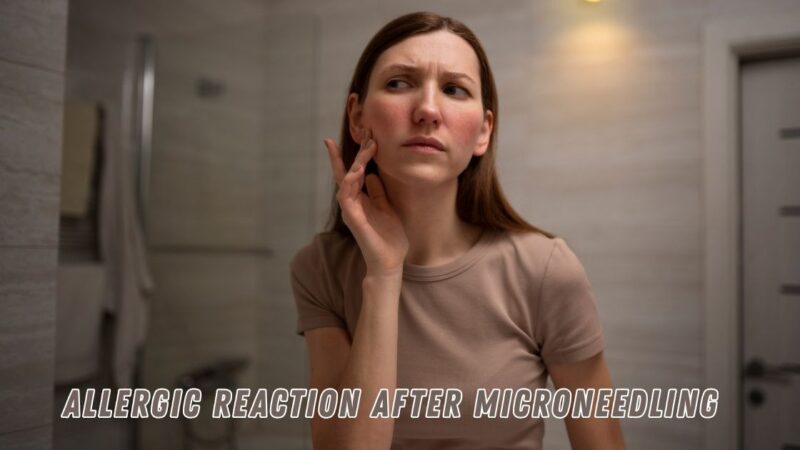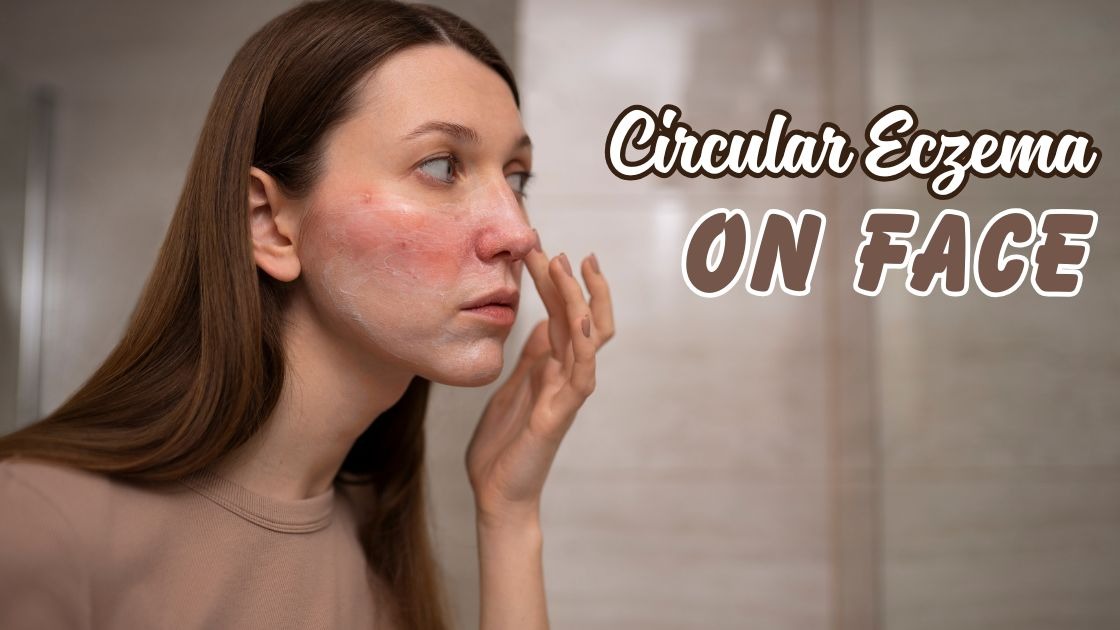
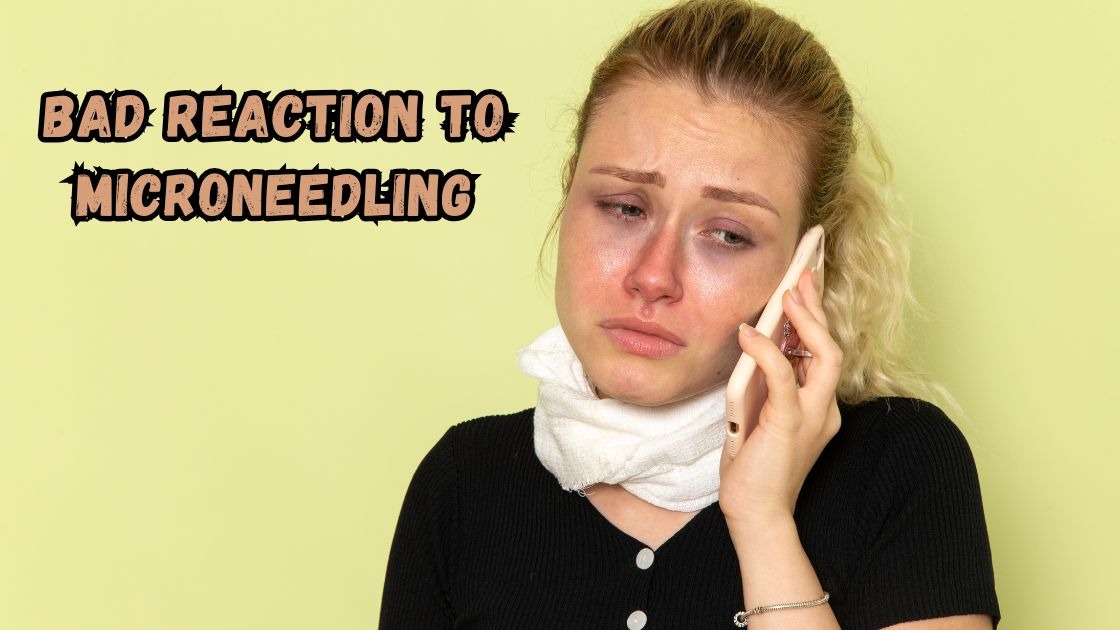
Experiencing a bad reaction to microneedling can be alarming, especially when you expected glowing, rejuvenated skin. While this popular cosmetic procedure is generally safe, some individuals develop unexpected complications that go beyond normal healing. Understanding what constitutes a concerning response versus typical side effects is crucial for protecting your skin health.
In this comprehensive guide, we’ll explore the common causes of adverse reactions, including skin irritation, infection risks, allergic responses, and improper aftercare mistakes. You’ll learn to recognize warning signs that require immediate attention and discover practical prevention strategies. Whether you’re considering your first treatment or recovering from a problematic session, this article provides essential information to help you navigate microneedling complications safely and make informed decisions about your skincare journey.
Understanding Microneedling and Its Purpose
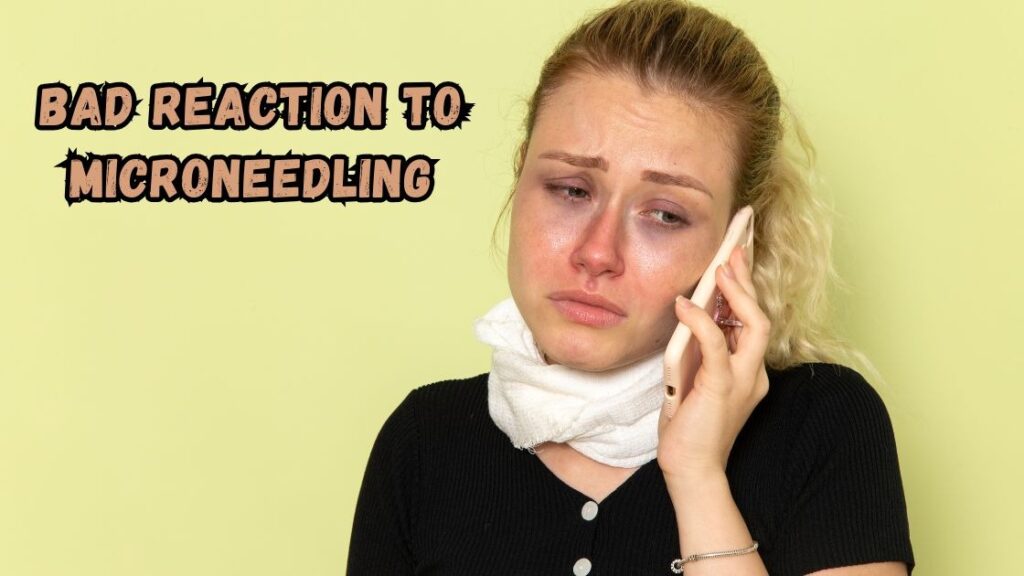
Microneedling represents a minimally invasive skincare treatment, sometimes termed collagen induction therapy, which uses ultra-fine needles to form tiny controlled punctures in the skin. This process stimulates the body’s natural wound healing response, promoting collagen production and skin regeneration. Most people experience mild redness and sensitivity that resolves within days. However, a bad reaction to microneedling occurs when symptoms extend beyond normal recovery expectations.
Why Reactions Happen
Several factors contribute to adverse outcomes following treatment. Your skin type, medical history, and the practitioner’s technique all play significant roles. Additionally, pre-existing skin conditions like eczema, rosacea, or active acne can increase complication risks substantially.
Common Signs of a Bad Reaction to Microneedling
Recognizing problematic symptoms early helps prevent long-term damage. While some discomfort is expected, certain warning signs indicate something more serious is occurring beneath the surface.
Immediate Warning Signs
Within the first 48 hours, watch carefully for these concerning symptoms that suggest a bad reaction to microneedling is developing:
- Severe swelling that worsens instead of improving
- Intense burning or throbbing pain beyond mild discomfort
- Unusual discharge or pus forming around treated areas
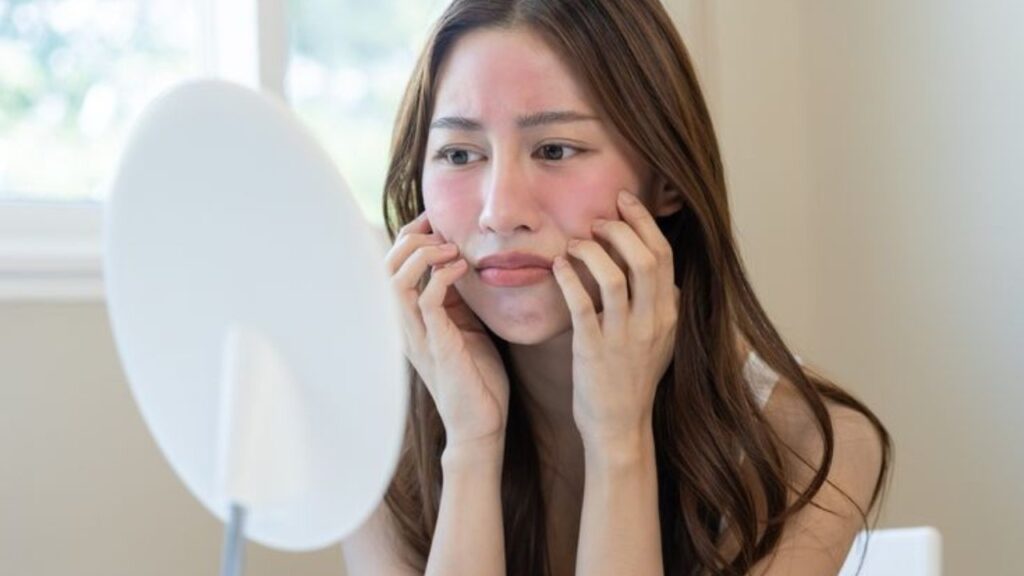
- Rapidly spreading redness extending beyond treatment zones
- Fever or chills indicating possible systemic infection
Delayed Reactions to Monitor
Some complications appear days or even weeks after your procedure. Post-inflammatory hyperpigmentation commonly affects individuals with darker skin tones. Scarring, granulomas, and persistent texture changes may also develop gradually, requiring professional evaluation.
Primary Causes Behind Adverse Reactions
Understanding why complications occur helps you make informed decisions about future treatments and provider selection.
Improper Technique and Equipment
Untrained practitioners or DIY microneedling at home significantly increase risks. Using incorrect needle depth, applying excessive pressure, or failing to maintain proper sterilization protocols can introduce bacteria and cause trauma. Professional-grade devices in clinical settings offer safer, more controlled treatments.
Product Sensitivities and Allergies
The serums applied during and after microneedling penetrate deeper due to the micro-channels created. This enhanced absorption means allergic reactions to ingredients become more pronounced. Common culprits include vitamin C serums, hyaluronic acid, retinoids, and certain preservatives found in skincare products.
Pre-Existing Conditions
Individuals with compromised immune systems, blood clotting disorders, or chronic skin conditions face elevated risks. Active herpes simplex infections can spread rapidly across treated areas, causing severe outbreaks requiring antiviral medication.
How to Respond When Complications Arise
If you suspect a bad reaction to microneedling, taking prompt action minimizes potential damage and speeds recovery.
Immediate Steps
Stop using all active skincare ingredients immediately. Cleanse gently with a mild, fragrance-free cleanser and apply a barrier repair cream to protect compromised skin. Avoid sun exposure completely and resist touching or picking at affected areas.
When to Seek Medical Attention
Contact your dermatologist or visit urgent care if you experience signs of infection, allergic reaction symptoms like difficulty breathing, or if symptoms progressively worsen despite home care measures. Early intervention prevents complications from escalating into permanent damage.
Prevention Strategies for Future Treatments
Taking proactive measures significantly reduces your chances of experiencing another bad reaction to microneedling during subsequent sessions.
Choosing the Right Provider
Research credentials thoroughly before booking appointments. Board-certified dermatologists and licensed aestheticians with specific microneedling training offer the safest experiences. Read reviews, ask about sterilization practices, and request before-and-after photos from previous clients.
Pre-Treatment Preparation
Follow these essential guidelines before your appointment:
- Discontinue retinoids and exfoliating acids one week prior
- Avoid blood-thinning medications and supplements when possible
- Disclose your complete medical history and current medications
- Perform a patch test if using new serums during treatment
- Stay hydrated and avoid alcohol for 24 hours beforehand
Post-Treatment Care Essentials
Proper aftercare dramatically influences healing outcomes. Use gentle, hydrating products for the first week. Apply broad-spectrum sunscreen daily since treated skin remains photosensitive. Avoid makeup, swimming pools, saunas, and intense exercise for at least 72 hours following your procedure.
Conclusion
While microneedling offers remarkable skin rejuvenation benefits, understanding potential complications ensures you approach treatments safely. Recognizing warning signs of a bad reaction to microneedling empowers you to take swift action when needed. Remember that proper provider selection, thorough pre-treatment preparation, and diligent aftercare significantly minimize risks.
If you experience concerning symptoms like severe infection, persistent swelling, or unusual scarring, seek professional medical guidance immediately. By staying informed and choosing qualified practitioners, you can enjoy the collagen-boosting benefits of this procedure while protecting your skin health. Your journey to radiant skin should never compromise your overall wellbeing.