Argan oil and seborrheic dermatitis often come up together when people search for gentle, plant-based ways to calm persistent scalp issues.
This article explores how this nutrient-rich oil may support scalp comfort by helping manage dryness, flaking, and irritation without harsh chemicals. Known for its moisturizing and soothing properties, this natural remedy has gained attention among those struggling with recurring scalp discomfort. We’ll discuss how it works, when it may be helpful, and how to use it safely as part of a balanced hair-care routine.
You’ll also learn who should avoid it and what results to realistically expect. Along the way, we’ll touch on scalp inflammation, natural moisturizers, itchy scalp relief, dry scalp care, and anti-inflammatory oils, helping you make informed choices for healthier-looking hair and scalp.
Understanding Seborrheic Dermatitis and Scalp Health
What Seborrheic Dermatitis Really Is
Seborrheic dermatitis is a chronic inflammatory scalp condition that causes redness, greasy flakes, and persistent itching. It is often confused with simple dandruff, but the two are not the same. This condition is linked to excess oil production and an overreaction to a naturally occurring yeast on the skin. People with scalp inflammation may notice flare-ups during stress, cold weather, or hormonal changes, making long-term management essential rather than quick fixes.
Why Scalp Balance Matters
A healthy scalp maintains the right balance of oil and moisture. When this balance is disturbed, irritation and flaking can worsen. Proper dry scalp care focuses on restoring the skin barrier, soothing irritation, and preventing further damage from harsh products or aggressive scratching.
Background and Traditional Use of Argan oil
Origins and Historical Use
Argan oil is obtained from the kernels of the argan tree, a species native to Morocco., which is indigenous to Morocco.For centuries, it has been used in traditional beauty rituals to nourish skin and hair. Rich in antioxidants and fatty acids, it became popular worldwide as people searched for gentler alternatives to chemical-based treatments.
Rise in Modern Scalp Care
As awareness of natural ingredients grew, argan oil and seborrheic dermatitis began appearing together in discussions about holistic scalp care. Its reputation as one of the most effective natural moisturizers has made it a staple in shampoos, serums, and scalp oils.
How Argan Oil Supports Irritated Scalps
Nourishing the Scalp Barrier
The oil is packed with vitamin E and essential fatty acids that help strengthen the scalp’s protective layer. This can reduce moisture loss and calm visible redness associated with itchy scalp relief needs. A stronger barrier also means fewer flare-ups triggered by dryness or environmental stressors.
Role of Anti-Inflammatory Compounds
Natural compounds within the oil have soothing properties that may help calm irritation. These anti-inflammatory oils do not cure medical conditions but can support comfort when used alongside dermatologist-approved care.
Benefits of Using Argan Oil And Seborrheic Dermatitis
Key Advantages for Regular Use
Using argan oil and seborrheic dermatitis care together may offer multiple supportive benefits for scalp comfort and hair appearance.
•Helps reduce visible flaking by improving moisture balance
•Soothes irritation linked to scalp inflammation
•Supports softer, healthier-looking hair without buildup
Suitable for Sensitive Scalps
Unlike heavy or synthetic oils, argan oil is lightweight and absorbs well. This makes it suitable for people who struggle with greasy buildup while still needing effective dry scalp care solutions.
Proper Application and Usage Tips
1. How to Apply Safely
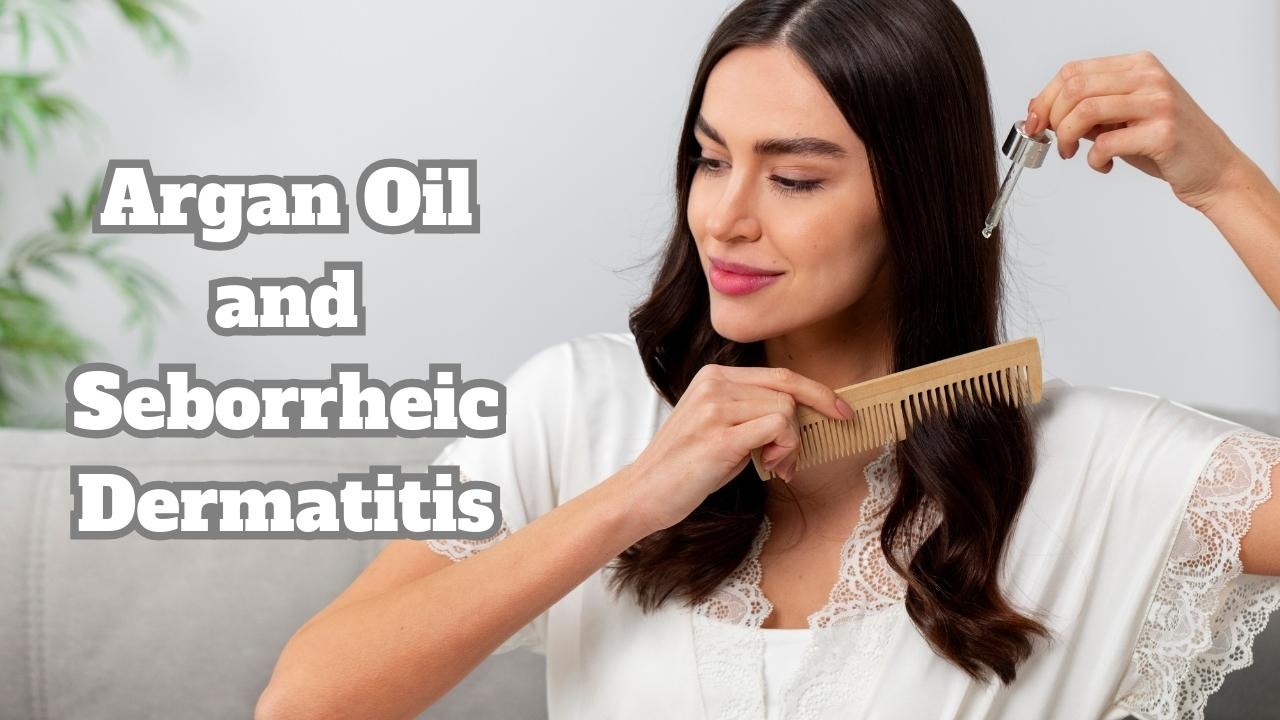
Using the oil correctly is crucial. Apply a small amount to a clean scalp, gently massaging it in. Leave it on for a short period before washing if you are prone to oiliness. This method supports itchy scalp relief without clogging pores.
2. Choosing the Right Product
Always look for cold-pressed, pure oil or products formulated specifically for sensitive scalps. Avoid blends with strong fragrances, as they may worsen irritation rather than help scalp inflammation.

Challenges and Limitations to Consider
Not a Standalone Treatment
While helpful, argan oil and seborrheic dermatitis management should not rely on oil alone. This condition is chronic and often requires medicated shampoos or professional guidance. The oil works best as a supportive step, not a replacement for medical care.
Risk of Overuse
Applying too much oil or using it too frequently can make the scalp greasy and uncomfortable. Balance is key, especially for those with already oily skin.
Real-Life Examples and Practical Scenarios
Mild to Moderate Scalp Flaking
People experiencing seasonal flakes or mild irritation often find that adding argan oil to their routine improves comfort. It complements other natural moisturizers and helps maintain scalp balance during dry weather.
Combined Care Approach
For persistent cases, combining prescribed treatments with gentle oils can enhance overall results. Many individuals report better tolerance to treatments when the scalp is properly nourished and less irritated.
Final Thoughts on Long-Term Scalp Care
Building a Sustainable Routine
Managing seborrheic dermatitis requires patience and consistency. Incorporating argan oil and seborrheic dermatitis care into a broader routine that includes gentle cleansing and stress management can support healthier scalp conditions over time.
When to Seek Professional Advice
If your symptoms persist or become more severe, it’s best to seek advice from a dermatologist.. Natural products are supportive tools, but professional diagnosis ensures safe and effective long-term management.
Conclusion
In conclusion, argan oil and seborrheic dermatitis can work together as part of a gentle, supportive scalp care routine. This natural ingredient helps nourish the scalp, reduce discomfort, and support moisture balance when used correctly. While it is not a cure, it plays a valuable role alongside medical treatments by calming scalp inflammation, improving dry scalp care, and offering itchy scalp relief. With mindful use and realistic expectations, argan oil and seborrheic dermatitis management can contribute to healthier-looking hair and long-term scalp comfort.