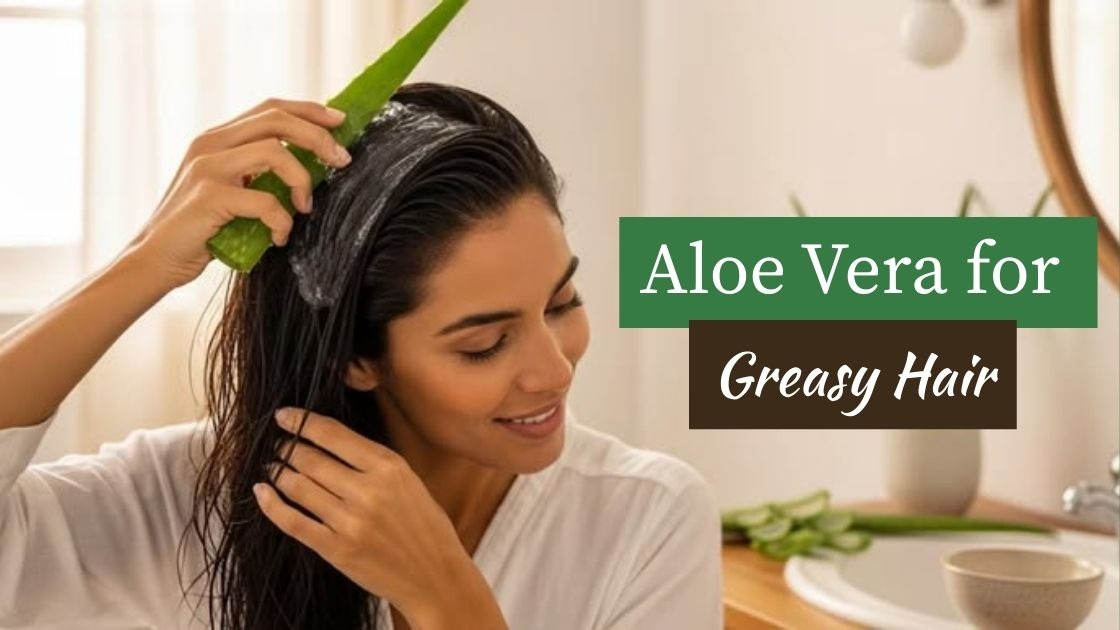
If you have been struggling with an oily scalp and limp, lifeless locks, aloe vera for greasy hair might just be the natural solution you have been searching for. Excess sebum production is one of the most common scalp concerns worldwide, and millions of people are now turning away from harsh chemical shampoos toward gentler, plant-based alternatives that actually work without damaging the scalp barrier.
Aloe vera has been used for centuries in traditional medicine and natural hair care, but modern science is now beginning to validate what ancient cultures already knew. According to the National Center for Biotechnology Information (NCBI), aloe vera contains over 75 active compounds including enzymes, vitamins, and amino acids that directly support scalp health and sebum regulation. (Source: https://www.ncbi.nlm.nih.gov/pmc/articles/PMC2763764/)
As a trusted natural oily scalp treatment, aloe vera works by gently cleansing clogged hair follicles, balancing moisture levels, and reducing excess oil without stripping your scalp of its protective barrier. Unlike commercial products loaded with sulfates and silicones, aloe vera gel for scalp care offers a lightweight, non-greasy alternative that suits most hair types including fine, thick, curly, and color-treated hair.
In this comprehensive, evidence-based guide, you will discover the proven benefits of aloe vera for sebum control, the potential risks and who should use it with caution, step-by-step application methods, expert-backed greasy hair solutions you can try at home, and a direct comparison with other popular oily hair remedies. Whether you are a first-time user or looking to refine your existing routine, this article provides dermatologist-informed advice to help you make the most of this powerful plant.
Table of Contents
What Makes Aloe Vera Effective for Greasy Hair?
Aloe vera is a succulent plant whose thick, gel-filled leaves have been used in traditional medicine for more than 6,000 years, with documented use in ancient Egypt, China, and India for both skin and hair concerns. When it comes to hair care, the clear gel extracted from its inner leaf is exceptionally rich in proteolytic enzymes that actively repair dead skin cells on the scalp, naturally reducing the overproduction of sebum at the follicle level.
According to a study published in the Journal of Chemical and Pharmaceutical Research, aloe vera contains salicylic acid, which functions as a gentle yet effective exfoliant, unclogging hair follicles and reducing greasiness at the root. This is significant because follicle blockage is one of the leading causes of chronic oily scalp conditions that do not respond well to regular shampooing alone.
What truly sets aloe vera apart from conventional oily hair products is its unique biochemical composition. It delivers deep hydration without adding any heaviness or residue to the hair shaft, making it one of the most balanced natural remedies for oily hair currently available. It treats the scalp without overcorrecting, which is a problem commonly seen with astringent-only treatments that can trigger rebound oiliness.
(Recommended internal link: “How to Build a Natural Hair Care Routine for Oily Scalp”)
The Science Behind Sebum and Oily Scalp
Before exploring how aloe vera for greasy hair works in practice, it is important to understand the biological reason why some scalps produce significantly more oil than others. Beneath the surface of your scalp sit microscopic sebaceous glands attached to each hair follicle. These glands produce sebum, a natural waxy oil that serves a vital purpose. It lubricates and waterproofs both the scalp skin and the hair shaft, protecting them from environmental damage and dehydration.
Under normal conditions, sebum production is a healthy and necessary process. However, a range of internal and external factors can cause these glands to go into overdrive. Hormonal fluctuations, particularly elevated androgens, are among the most common triggers. Poor dietary habits, chronic stress, environmental humidity, overwashing the scalp, and even using the wrong hair products can all contribute to excessive sebum secretion.
When sebum accumulates faster than it can be naturally distributed along the hair shaft, it creates the telltale signs of greasy hair. Hair appears flat, heavy, and unwashed even shortly after shampooing. Blocked follicles can become inflamed, leading to scalp itchiness, tenderness, and in some cases, conditions like seborrheic dermatitis or dandruff.
According to the American Academy of Dermatology (AAD), sebum overproduction is among the top five reasons people seek professional scalp consultations. (Source: https://www.aad.org/) This is precisely where a consistent aloe vera scalp treatment can intervene as a gentle, corrective, and long-term solution rather than a temporary fix.
(Recommended internal link: “What Causes an Oily Scalp and How to Fix It Naturally”)
Key Benefits of Using Aloe Vera for Greasy Hair
Balances Scalp Oil Production
One of the most clinically significant advantages of using aloe vera for greasy hair is its documented ability to regulate sebum output without completely drying out the scalp. Its natural astringent properties gently tighten the pores of sebaceous glands, which slows down excessive oil secretion in a controlled and sustainable way. Unlike sulfate-heavy shampoos that strip the scalp of all moisture and often trigger a rebound oiliness response, aloe vera maintains a healthy and balanced moisture environment. This makes it suitable for long-term, regular use without the risk of overcorrection.
Cleanses Hair Follicles Naturally
Aloe vera contains a naturally occurring compound called saponin, which functions as a gentle biological cleanser. Saponins create a mild lathering effect that effectively removes product buildup, dead skin cells, and excess sebum from both the scalp surface and the follicle opening without stripping or irritating the skin. This makes aloe vera gel an ideal active ingredient in any DIY oily hair remedy or natural clarifying treatment, particularly for those who want to reduce their reliance on commercial shampoos.
Soothes Scalp Inflammation and Irritation
People with greasy hair frequently experience accompanying scalp inflammation, itchiness, or tenderness caused by clogged follicles and microbial imbalance. Aloe vera’s well-documented anti-inflammatory and antimicrobial properties, validated by research published through the National Institutes of Health (NIH), work to calm the scalp, reduce visible redness, and create a healthier follicular environment that supports consistent hair growth. (Source: https://www.ncbi.nlm.nih.gov/pmc/articles/PMC2763764/)
Strengthens and Nourishes Hair Strands
Aloe vera is remarkably rich in vitamins B12, C, and E, as well as folic acid and a range of essential minerals. Together, these nutrients actively nourish the hair shaft from the root to the tip. Regular use as part of a natural hair care for oily scalp routine can produce noticeable improvements in overall hair texture, natural shine, elasticity, and strand strength over time. Users often report that their hair feels cleaner for longer between washes, which is one of the most practical benefits of consistent aloe vera use.
Delivers Lightweight Moisture Without Adding Grease
Unlike heavy conditioning oils such as coconut oil or castor oil, which can add unwanted weight and shine to already oily hair, aloe vera gel for scalp is absorbed rapidly into both the skin and the hair shaft. It leaves no visible residue, no greasy coating, and no buildup. This quality makes it exceptionally well suited for fine-textured or naturally oily hair types that tend to go flat and limp when exposed to heavier conditioning products.
How to Use Aloe Vera for Greasy Hair Safely
Method 1: Direct Scalp Application (Pre-Wash Treatment)
The most straightforward and widely recommended approach is applying fresh aloe vera gel directly to the scalp before shampooing. This pre-wash scalp treatment allows the enzymes and astringent compounds in the gel to work on the follicles and sebaceous glands before any shampoo is introduced.
- Extract fresh gel from a clean aloe vera leaf, or use a pure, additive-free store-bought version with no alcohol or artificial fragrance
- Section your hair into four to six parts to ensure even coverage across the entire scalp
- Apply the gel directly onto the scalp using clean fingertips, focusing on the oiliest areas first
- Massage gently using small circular motions for three to five minutes to stimulate blood circulation and product absorption
- Leave the gel on for 20 to 30 minutes to allow the active compounds to work effectively
Rinse thoroughly with lukewarm water, never hot water, and follow immediately with a gentle sulfate-free shampoo. Hot water can stimulate further sebum production, so always finish with a cool rinse.
Method 2: Aloe Vera and Lemon Juice Clarifying Rinse
Lemon juice is a well-established sebum control home remedy with a naturally low pH that pairs exceptionally well with aloe vera’s soothing properties. Together, they form a powerful yet gentle clarifying rinse.
Mix two tablespoons of pure aloe vera gel with one teaspoon of freshly squeezed lemon juice and dilute the mixture with half a cup of cool distilled water. After shampooing as normal, pour or apply this mixture evenly across the scalp, work it gently through the roots, and leave it in place for five minutes before rinsing completely. The natural citric acid in lemon juice helps to further regulate oil production and restore the scalp’s natural pH balance, while aloe vera simultaneously soothes any potential citrus-related irritation.
Note: Avoid sun exposure immediately after using lemon juice on the scalp, as it can cause photosensitivity.

Method 3: Aloe Vera Leave-In Scalp Spray (Daily Maintenance)
For managing greasiness between full wash days without over-washing, a diluted aloe vera spray is an excellent and practical option. Dilute pure aloe vera gel with distilled water in a 1:3 ratio, meaning one part gel to three parts water. Pour the mixture into a clean spray bottle and shake well before each use.
Mist lightly and evenly over the scalp and roots as needed throughout the day. This lightweight scalp hydration method absorbs quickly, leaves no residue, and effectively absorbs excess surface oil without disrupting the scalp’s natural moisture balance. It is particularly useful on second or third day hair when oil begins to accumulate at the roots.
(Recommended internal link: “Best Ingredients to Add to Your DIY Scalp Spray”)
Aloe Vera vs Other Oily Hair Treatments
Understanding how aloe vera compares to other popular oily scalp solutions helps you make a more informed choice for your specific hair type and lifestyle.
Apple cider vinegar is another widely used natural remedy for oily scalp. Like aloe vera, it helps restore scalp pH and remove product buildup. However, apple cider vinegar has a significantly stronger acidic profile and can cause irritation or dryness with frequent use, particularly on color-treated or chemically processed hair. Aloe vera is considerably gentler and better tolerated for daily or near-daily use.
Tea tree oil is celebrated for its powerful antimicrobial and antifungal properties, making it highly effective against dandruff-related greasiness. However, it must always be diluted before scalp application and is not recommended for those with sensitive skin. Aloe vera, on the other hand, can be applied directly in its natural form and also carries mild antimicrobial properties, making it a safer entry point for those new to natural scalp treatments. Combining both, a few drops of tea tree oil mixed into aloe vera gel, gives you the benefits of both ingredients with reduced irritation risk.
Commercial dry shampoos work instantly to absorb surface oil and add volume, but they do not address the root cause of sebum overproduction. Regular use of dry shampoo can lead to product buildup and even worsen scalp congestion over time. Aloe vera, used consistently, gradually regulates oil production at the glandular level, offering a more permanent and healthier long-term result.
Potential Risks and Who Should Be Cautious
While aloe vera for greasy hair is broadly considered safe and well-tolerated, there are several important considerations that should not be overlooked before beginning regular use.
People with a known latex allergy should approach aloe vera with particular caution. The outer leaf layer of the aloe plant contains a yellow substance called aloin, which is a latex-adjacent compound that can cause skin irritation, contact dermatitis, or allergic reactions in sensitive individuals. Always perform a patch test on the inner wrist or behind the ear at least 24 hours before applying aloe vera to the scalp for the first time.
Using excessive amounts of aloe vera gel in a single application can occasionally leave a white, flaky residue once it dries, which is especially visible on dark or brunette hair. Using a moderate, targeted amount rather than saturating the scalp generously helps avoid this issue entirely.
People managing very dry scalp conditions, active eczema, psoriasis, or other chronic inflammatory skin conditions should consult a licensed dermatologist or trichologist before incorporating regular aloe vera scalp treatments into their routine. While aloe vera is anti-inflammatory, individual scalp responses can vary significantly, and professional guidance ensures safety and effectiveness.
Those who are pregnant or breastfeeding should also seek medical advice before using aloe vera topically on a regular basis, as a precautionary measure.
Expert Tips for Best Results
- Choose pure, certified organic aloe vera gel that contains no added alcohols, artificial fragrances, parabens, or synthetic preservatives, as these additives can irritate the scalp and negate the natural benefits
- Limit application to two to three times per week to avoid over-cleansing the scalp, which can paradoxically stimulate more oil production as the scalp tries to compensate for lost moisture
- Store fresh aloe vera gel in an airtight container in the refrigerator for up to one week, as the cool temperature extends shelf life, preserves active enzymes, and adds a soothing, anti-inflammatory cooling sensation on application
- For enhanced antimicrobial and antifungal benefits, add two to three drops of tea tree essential oil per tablespoon of aloe vera gel before scalp application
- Be patient and consistent. Most users who apply aloe vera regularly report a noticeable and measurable reduction in scalp oiliness within two to four weeks of beginning a consistent routine
Real User Experiences
Trichologists and natural hair care practitioners regularly report positive outcomes among clients who incorporate aloe vera into their oily scalp routines. In clinical observation notes shared within the natural hair care community, practitioners note that clients who commit to aloe vera pre-wash treatments two to three times weekly for a minimum of four weeks consistently report less frequent need for shampooing, reduced scalp itchiness, and improved hair volume.
One common pattern observed by hair care professionals is that clients who previously needed to wash their hair daily due to oiliness are able to extend their wash cycle to every two to three days after approximately three to four weeks of regular aloe vera scalp treatment use. This is a meaningful quality-of-life improvement that also reduces heat styling frequency and overall mechanical stress on the hair.
Frequently Asked Questions
Q1: Can I leave aloe vera on my scalp overnight?
Yes, pure aloe vera gel is gentle enough for overnight scalp application for most hair types. It absorbs fully without leaving significant residue on pillow surfaces when used in moderate amounts. However, if you have sensitive or reactive skin, begin with a 30-minute application and gradually increase the duration as your scalp adapts and shows no signs of irritation.
Q2: How many times a week should I use aloe vera for oily hair?
Dermatologists and trichologists generally recommend two to three applications per week as part of a consistent natural oily scalp treatment routine. This frequency delivers measurable sebum regulation benefits without overcleansing or disrupting the scalp’s natural microbial balance.
Q3: Does aloe vera help with dandruff caused by a greasy scalp?
Yes, it does. Aloe vera’s documented antifungal properties help manage Malassezia globosa, the yeast-like fungus most commonly associated with seborrheic dandruff. This makes it an effective dual-purpose treatment addressing both excess oil and scalp flakiness simultaneously. (Source: NIH https://www.ncbi.nlm.nih.gov/pmc/articles/PMC2763764/)
Q4: Is store-bought aloe vera gel as effective as fresh gel from the plant?
Fresh gel extracted directly from the leaf is generally considered more potent because it retains its full enzyme activity and has not been exposed to any heat processing. That said, a high-quality, minimally processed, additive-free store-bought aloe vera gel can be equally effective for scalp use and is far more convenient for consistent daily or weekly application.
Q5: Can aloe vera make my hair greasy if I use too much?
Using an excessive amount of aloe vera gel without rinsing it fully can leave a slight residue that may make hair appear less fresh. Always use a measured, moderate amount and ensure thorough rinsing if applying as a pre-wash treatment rather than a leave-in spray.
Q6: How long does it take to see results from aloe vera for oily hair?
Most users begin to notice a reduction in scalp oiliness and an extended clean feeling between washes within two to four weeks of consistent use, typically applying it two to three times per week. Full sebum regulation benefits are usually most apparent after six to eight weeks of uninterrupted routine use.
Conclusion
Managing a persistently oily scalp does not have to mean depending on harsh chemical products, expensive salon treatments, or daily washing cycles that ultimately make the problem worse. As this guide has demonstrated, aloe vera for greasy hair offers a scientifically supported, dermatologist-compatible, and genuinely accessible solution that works by addressing the root cause of excess oil production rather than simply masking it temporarily.
From regulating sebum levels and cleansing clogged follicles to soothing scalp inflammation and strengthening individual hair strands, the benefits of this remarkable plant are both broad and well-documented in peer-reviewed literature. Research consistently published through the National Center for Biotechnology Information continues to validate aloe vera’s active role in promoting overall scalp health. (Source: https://www.ncbi.nlm.nih.gov/pmc/articles/PMC2763764/)
Whether you choose direct pre-wash scalp application, a lemon juice clarifying rinse, or a lightweight daily leave-in spray, the most important factor in achieving results is consistency. Incorporating aloe vera into your natural oily scalp treatment routine two to three times per week can deliver genuinely noticeable improvements in scalp balance, hair texture, and overall freshness within just a few weeks.
As with any natural remedy, listening carefully to how your scalp responds and adjusting frequency or method based on your individual hair type and lifestyle is essential. When used correctly and consistently, aloe vera stands as one of the most reliable, affordable, and evidence-backed home remedies for oily hair that is freely available today.
Always consult a certified dermatologist or licensed trichologist if you experience persistent scalp issues, adverse reactions, or symptoms that do not improve with regular natural treatment.