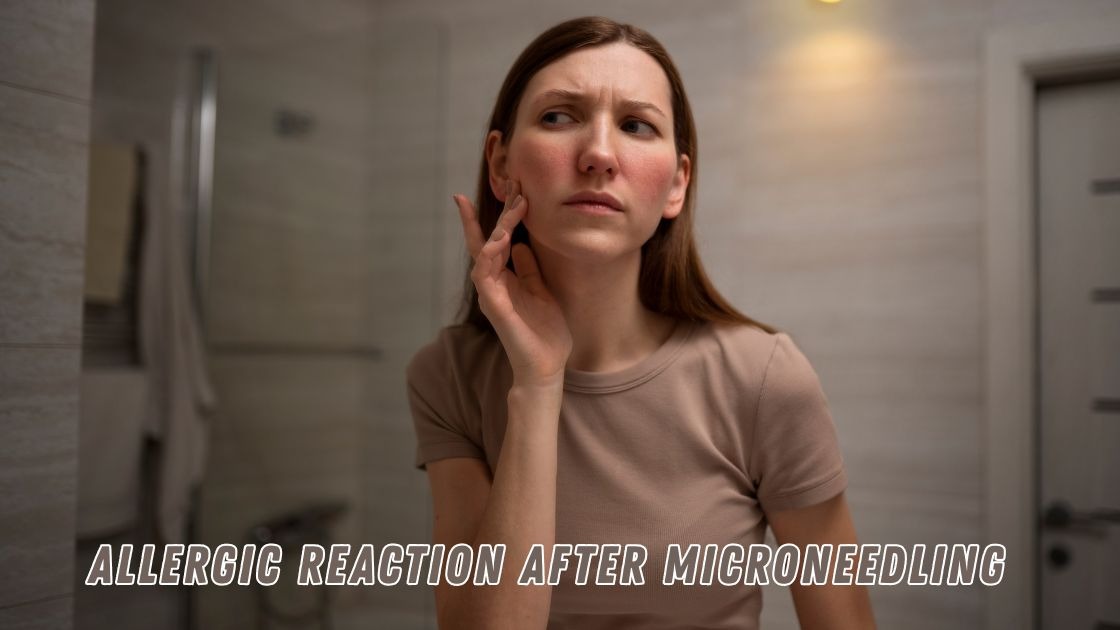
Experiencing an allergic reaction after microneedling can be alarming, especially when you expected smoother, rejuvenated skin instead. While microneedling is generally considered safe, some individuals may develop unexpected skin irritation, redness and swelling, or even more severe symptoms following the procedure. Understanding why these reactions occur is essential for anyone considering this popular cosmetic treatment.
This comprehensive guide explores the common causes behind adverse responses, how to identify warning signs, and effective prevention strategies. Whether you have sensitive skin or are simply cautious about potential microneedling side effects, this article provides everything you need to know. We’ll also discuss proper aftercare routines and when to seek professional medical attention for concerning symptoms.
Understanding Microneedling and Skin Reactions
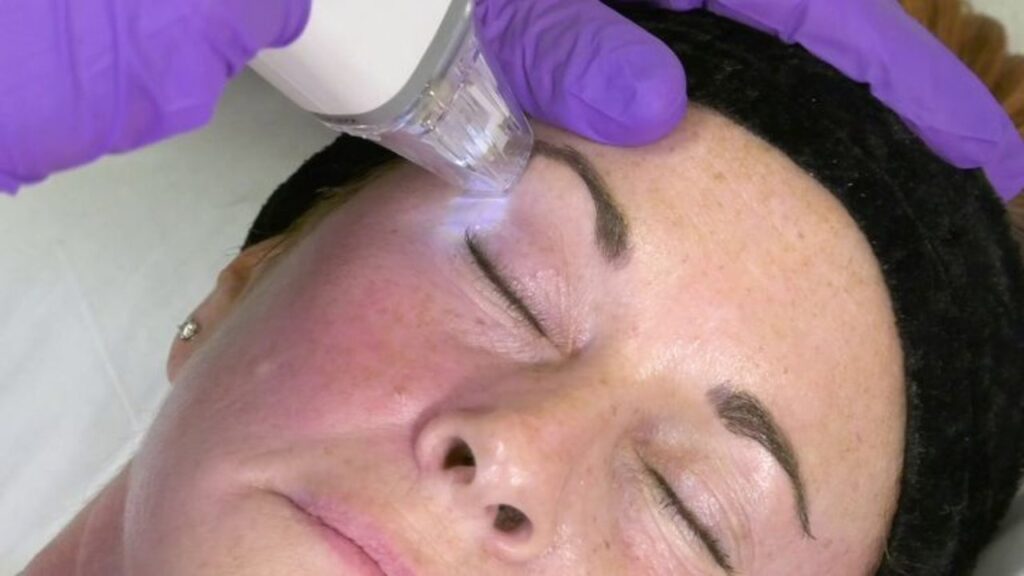
Microneedling, commonly referred to as collagen induction therapy, is a procedure that utilizes fine needles to produce precise micro-punctures across the skin. This technique activates the body’s innate healing mechanism, encouraging the production of both collagen and elastin. While most people experience only temporary redness, an allergic reaction after microneedling can occur in certain individuals due to various factors.
The procedure has gained immense popularity for treating acne scars, fine lines, and uneven skin texture. However, understanding potential risks helps you make informed decisions about your skincare journey.
Why Do Allergic Reactions Occur
An allergic reaction after microneedling typically happens when the skin responds negatively to products applied during or after the treatment. The micro-channels created during the procedure allow substances to penetrate deeper into the dermal layers, increasing sensitivity.
Common Triggers and Causes
Several factors can contribute to adverse skin responses following the procedure. Topical serums containing active ingredients may cause irritation when absorbed through open channels. Additionally, numbing creams used before treatment sometimes contain allergens that trigger reactions.
People with pre-existing conditions like eczema or rosacea face higher risks of experiencing complications. Metal allergies, particularly to nickel found in some needle devices, can also provoke unwanted responses.
Recognizing Symptoms of an Allergic Response
Understanding the difference between normal post-treatment effects and genuine allergic reactions is crucial for proper care. While mild redness and swelling are expected, certain symptoms indicate something more serious.
Normal vs. Abnormal Reactions
Typical post-procedure effects include slight pinkness, minor swelling, and skin tightness lasting 24 to 72 hours. These symptoms gradually subside without intervention. However, an allergic reaction after microneedling presents differently and requires attention.
Warning signs that suggest an allergic response include:
- Persistent swelling lasting beyond three days
- Severe itching or burning sensations
- Development of hives or raised welts
- Oozing or pus-filled bumps
- Extreme redness spreading beyond treated areas
When to Seek Medical Attention
If you experience difficulty breathing, facial swelling affecting eyes or lips, or rapid symptom progression, seek immediate medical care. These signs may indicate a severe anaphylactic response requiring emergency treatment.
Prevention Strategies for Safe Treatment
Taking proactive steps significantly reduces your chances of experiencing an allergic reaction after microneedling. Proper preparation and communication with your practitioner are essential.
Pre-Treatment Precautions
Before undergoing the procedure, discuss your complete medical history with your skincare professional. Disclose any known allergies, sensitivities, or previous reactions to cosmetic treatments. Request a patch test for any products that will be applied during or after the session.
Avoid using retinoids, exfoliating acids, or other harsh products for at least one week before your appointment. This reduces skin sensitivity and lowers reaction risks.
Choosing the Right Practitioner
Selecting a qualified and experienced professional dramatically impacts your treatment outcome. Consider these important factors:
- Verify proper licensing and certifications
- Ask about sterilization and hygiene protocols
- Inquire about the products and devices used
- Request before and after photos from previous clients
- Read reviews focusing on safety and professionalism
Post-Treatment Care and Management
Proper aftercare plays a vital role in preventing complications and promoting optimal healing. Following recommended guidelines minimizes risks significantly.
Recommended Aftercare Routine
Keep your skin clean using gentle, fragrance-free cleansers for the first few days. Apply only hypoallergenic moisturizers approved by your practitioner. Avoid makeup, heavy creams, and active ingredients for at least 48 hours post-treatment.
Sun protection is critical during the healing phase. Use a broad-spectrum SPF 30 or higher and limit direct sun exposure to prevent hyperpigmentation and further irritation.
Treating Mild Reactions at Home
For minor allergic symptoms, applying a cool compress can reduce swelling and discomfort. Over-the-counter antihistamines may help alleviate itching and mild inflammation. However, always consult your dermatologist before using any medication on freshly treated skin.
If symptoms persist or worsen despite home care, schedule a follow-up appointment immediately. Early intervention prevents complications and ensures proper recovery from any allergic reaction after microneedling.
Conclusion
While microneedling offers remarkable skin rejuvenation benefits, being aware of potential allergic reaction after microneedling is essential for a safe experience. By understanding common triggers, recognizing warning symptoms, and following proper pre-treatment precautions, you can significantly minimize risks. Choosing a qualified practitioner and maintaining an appropriate aftercare routine further ensures optimal results.
Remember that mild redness and swelling are normal, but persistent or severe symptoms require professional attention. Always prioritize your skin health by communicating openly with your dermatologist about any concerns. With the right preparation and care, you can enjoy the collagen-boosting benefits of this popular treatment while keeping your skin safe and healthy.