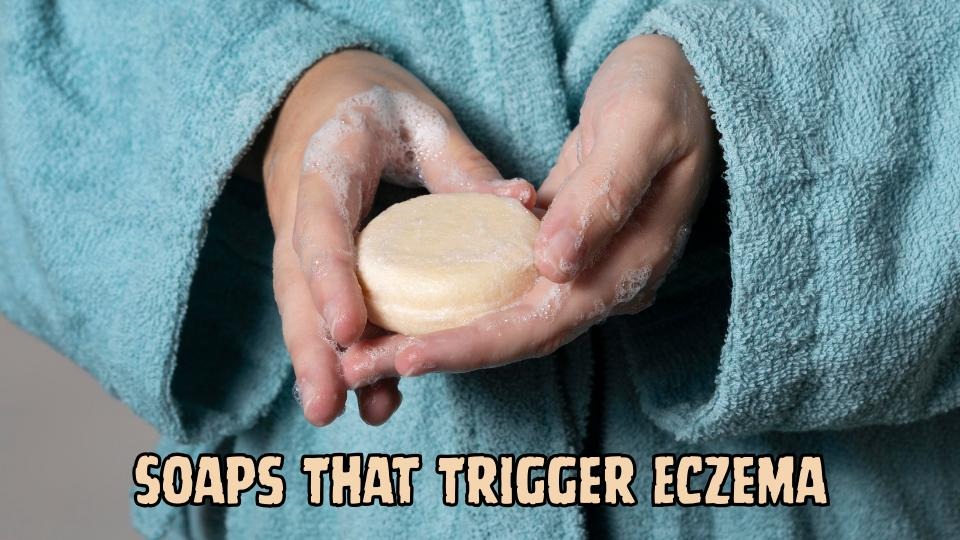
Soaps that trigger eczema are more common than you think, hiding in popular brands lining store shelves everywhere. Millions of people unknowingly worsen their skin irritation by using products filled with harsh chemicals, synthetic fragrances, and aggressive detergents. If you struggle with red, itchy, or inflamed skin, your cleanser could be the culprit behind those painful eczema flare-ups. This article explores exactly which ingredients to avoid, why certain products harm sensitive skin, and how to choose gentle cleansers that protect your skin barrier. Understanding these triggers is the first step toward healthier, calmer skin and a more comfortable daily routine.
Understanding Why Certain Soaps Cause Skin Problems
Eczema affects approximately 31 million Americans, and many experience worsening symptoms due to everyday cleansing products. Soaps that trigger eczema contain ingredients that strip away natural oils and damage the skin barrier. Understanding this connection helps you make smarter choices for your skincare routine.
What Makes a Soap Harmful for Eczema Prone Skin
The primary issue lies in how traditional cleansers interact with your skin’s protective layer. Most commercial products contain harsh chemicals designed to create lather and remove dirt aggressively. However, this same action removes essential lipids that keep moisture locked in.
People with atopic dermatitis have a compromised skin barrier from the start. When exposed to irritating ingredients, their skin becomes even more vulnerable to inflammation and allergic reactions. The result is increased redness, itching, and painful flare-ups that can last for days or weeks.
Common Ingredients in Soaps That Trigger Eczema
Knowing which components cause problems is essential for protecting your sensitive skin. Here are the main culprits to watch for on ingredient labels.
Sulfates and Their Damaging Effects
Sodium lauryl sulfate and sodium laureth sulfate top the list of problematic ingredients. These foaming agents create the bubbly lather people associate with cleanliness. Unfortunately, they also cause significant skin irritation by stripping natural oils completely.
Synthetic Fragrances and Dyes
Artificial scents represent another major concern for eczema sufferers. Soaps that trigger eczema often contain synthetic fragrances made from dozens of undisclosed chemicals. These compounds penetrate the skin and cause contact dermatitis in susceptible individuals. Similarly, artificial dyes serve no cleansing purpose but frequently cause reactions.
Preservatives and Stabilizers
- Parabens disrupt skin function and cause irritation in many users
- Formaldehyde releasers preserve products but trigger severe reactions
- Methylisothiazolinone causes widespread allergic responses even in small amounts
How to Identify Safe Alternatives
Finding products that clean without causing eczema flare-ups requires careful label reading and ingredient awareness.
Look for These Beneficial Qualities
Fragrance-free products should be your first priority when shopping. Note that unscented differs from fragrance-free because unscented items may contain masking fragrances. Always choose products specifically labeled fragrance-free for maximum safety.
pH balanced formulas help maintain your skin’s natural acidity level. Healthy skin has a pH around 5.5, but many traditional cleansers have pH levels of 9 or higher. This alkaline environment damages the skin barrier and invites irritation.
Recommended Ingredient Types
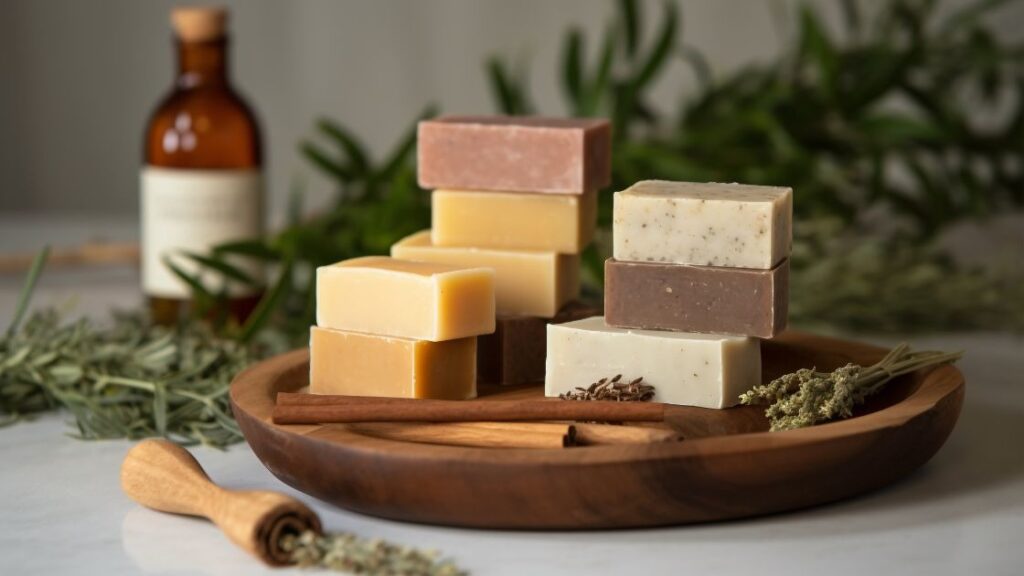
Soaps that trigger eczema share common harmful components, while safe alternatives contain these beneficial ingredients:
- Glycerin attracts moisture and keeps skin hydrated
- Colloidal oatmeal soothes inflammation and reduces itching
- Ceramides restore the protective barrier function
- Shea butter provides gentle, natural moisturization
- Aloe vera calms irritated skin and promotes healing
Practical Tips for Managing Eczema Through Cleansing
Beyond choosing the right products, your washing habits significantly impact skin health.
Bathing Best Practices
Limit your shower time and opt for lukewarm water rather than hot temperatures. Hot water feels relaxing but accelerates moisture loss and worsens dry skin conditions. Limit bathing to once daily unless necessary, as excessive washing removes protective oils regardless of product choice.
Application Techniques
Apply gentle cleansers only to areas that need cleaning such as underarms, feet, and groin. Let water rinse other body parts without direct soap application. Pat skin dry with soft towels rather than rubbing vigorously.
Post Cleansing Care
Apply moisturizing creams within three minutes of bathing while skin remains slightly damp. This practice locks in hydration and strengthens the skin barrier against future irritation. Choose hypoallergenic moisturizers that complement your cleanser choice.
When to Seek Professional Help
Sometimes avoiding soaps that trigger eczema is not enough. Visit a dermatologist when symptoms continue even after switching products. They can perform patch testing to identify specific allergens and recommend prescription treatments when necessary. Professional guidance ensures you receive personalized advice for your unique skin needs.
Conclusion
Identifying soaps that trigger eczema is crucial for maintaining healthy, comfortable skin. By avoiding harsh chemicals, sulfates, synthetic fragrances, and harmful preservatives, you can significantly reduce painful flare-ups. Choosing fragrance-free products with gentle cleansers and beneficial ingredients like glycerin and colloidal oatmeal protects your skin barrier effectively. Remember that proper bathing habits and immediate moisturizing also play vital roles in managing symptoms. Taking control of your cleansing routine empowers you to live more comfortably with sensitive skin. Start reading labels today and give your skin the gentle care it deserves.