Circular eczema on face can be frustrating and uncomfortable, leaving you searching for answers. This condition, also known as nummular dermatitis, creates distinctive round, coin-shaped patches that may itch, crack, or become inflamed. Many people confuse it with other skin conditions like ringworm due to its unique appearance. Understanding why these red, scaly lesions develop is the first step toward finding relief.
In this comprehensive guide, you will learn about the causes, symptoms, and effective treatment options for this stubborn skin issue. We will also explore home remedies, prevention tips, and when to seek professional help. Whether you are dealing with mild irritation or persistent flare-ups, this article provides everything you need to manage and heal your skin effectively.
What Is Circular Eczema and Why Does It Appear?
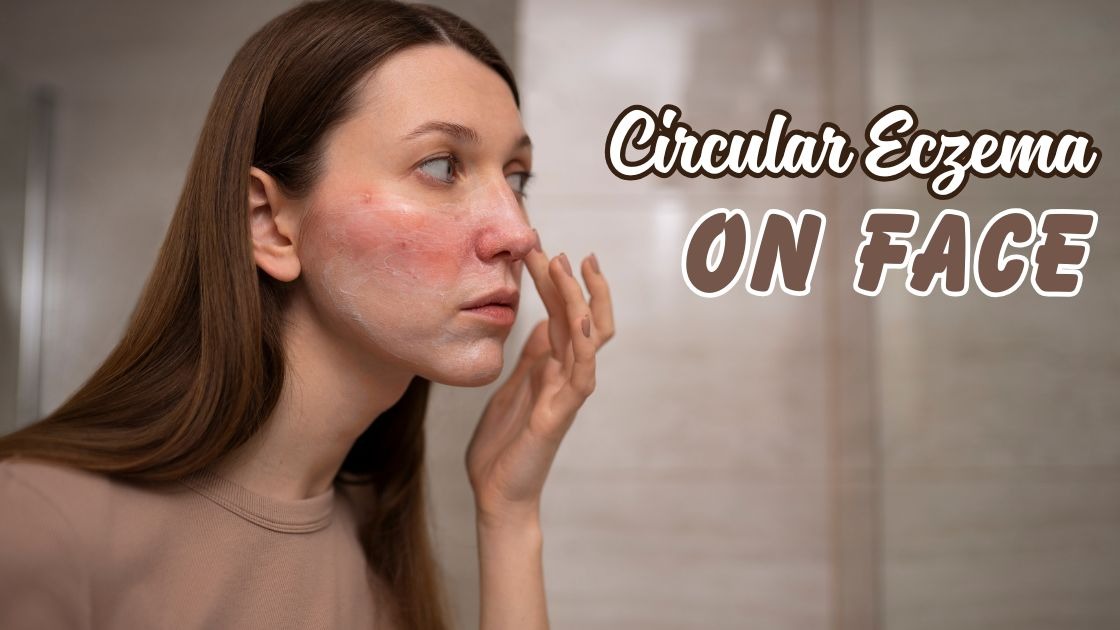
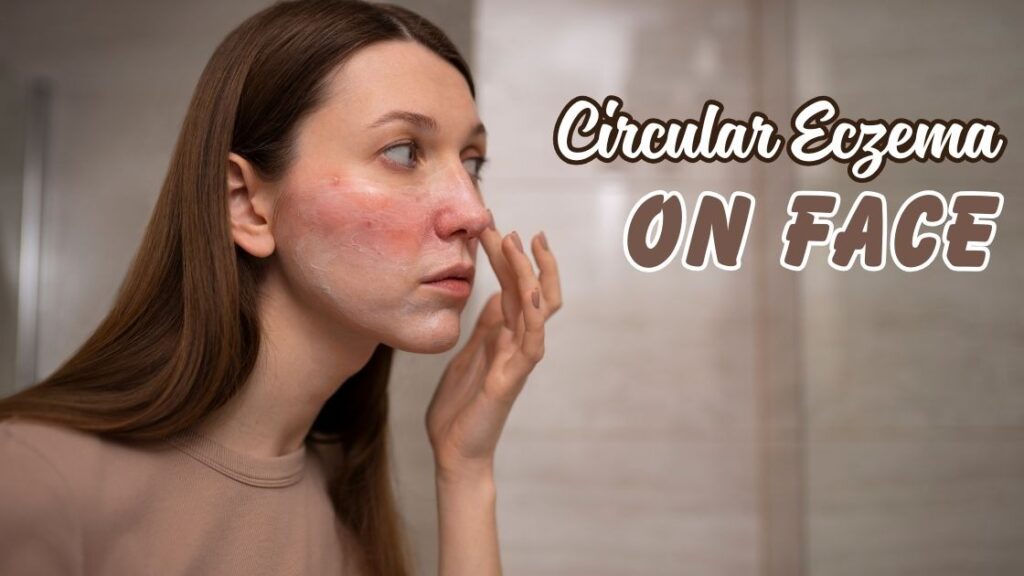
Circular eczema on face refers to a specific type of nummular dermatitis that develops as round or oval patches on facial skin. Unlike common eczema, this condition creates well-defined, coin-shaped lesions that can range from small spots to larger affected areas.
Understanding the Condition
This chronic skin disorder typically begins as tiny blisters or bumps that merge together. Over time, they form distinct circular patterns that may weep, crust over, or become extremely dry. The patches often appear red or brown depending on your skin tone.
Common Causes and Triggers
Several factors contribute to circular eczema on face development:
- Dry skin especially during cold winter months
- Environmental irritants like harsh soaps or chemicals
- Allergic reactions to skincare products
- Skin injuries including cuts, burns, or insect bites
- Bacterial infections that worsen existing patches
- Stress and hormonal imbalances
People with a history of atopic dermatitis or sensitive skin face higher risks. Additionally, low humidity environments and frequent handwashing can trigger flare-ups that spread to the face.
Recognizing the Symptoms of Facial Nummular Dermatitis
Identifying circular eczema on face early helps ensure prompt treatment. The symptoms vary in severity but share common characteristics.
Primary Signs to Watch For
The most noticeable symptom is the appearance of round, itchy patches on cheeks, forehead, or around the eyes. These lesions typically measure between one and four centimeters in diameter.
Other symptoms include:
- Intense itching that worsens at night
- Scaly, flaky skin around the affected area
- Oozing or crusting when patches become infected
- Burning sensation during flare-ups
- Skin discoloration after healing
How It Differs From Other Skin Conditions
Many people mistake circular eczema on face for ringworm due to their similar appearance. However, ringworm is a fungal infection while nummular dermatitis is inflammatory. A dermatologist can perform tests to confirm the correct diagnosis.
Effective Treatment Options for Relief
Managing circular eczema on face requires a combination of medical treatments and lifestyle adjustments. The goal is reducing inflammation while preventing future outbreaks.
Medical Treatments
Your dermatologist may recommend several approaches:
- Topical corticosteroids to reduce inflammation and itching
- Calcineurin inhibitors for sensitive facial skin
- Antihistamines to control nighttime itching
- Antibiotics if bacterial infection is present
- Phototherapy for stubborn cases
Always follow your doctor’s instructions carefully. Using steroids incorrectly on facial skin can cause thinning or other complications.
Natural Remedies and Home Care
Complementing medical treatment with home remedies improves results significantly. Consider these helpful strategies:
- Apply fragrance-free moisturizers immediately after washing
- Use lukewarm water instead of hot water when cleansing
- Choose gentle, soap-free cleansers for facial care
- Run a humidifier to maintain indoor moisture levels
- Wear soft, breathable fabrics that do not irritate skin
Coconut oil and colloidal oatmeal baths provide soothing relief for many sufferers. However, patch test any new product before applying it to affected areas.

Prevention Tips for Long Term Management
Preventing circular eczema on face recurrence demands consistent skincare habits and trigger avoidance.
Building a Protective Skincare Routine
Establish a daily regimen focusing on hydration and protection. Apply moisturizer at least twice daily, especially after exposure to water. Look for products containing ceramides or hyaluronic acid that strengthen your skin barrier.
Identifying and Avoiding Triggers
Keep a journal tracking flare-ups alongside potential triggers. Common culprits include certain fabrics, weather changes, stress levels, and specific foods. Once identified, minimizing exposure significantly reduces outbreak frequency.
When to Seek Professional Help
While mild cases respond well to home care, certain situations require medical attention. Visit a healthcare provider if patches spread rapidly, show signs of infection, or fail to improve after two weeks of treatment.
Circular eczema on face can impact self-esteem and daily comfort. Working with a qualified dermatologist ensures you receive personalized treatment addressing your unique needs. Remember, patience and consistency are essential since this condition often requires ongoing management rather than a quick fix.
Conclusion
Dealing with circular eczema on face requires patience, proper skincare, and sometimes professional guidance. Understanding the causes, recognizing symptoms early, and following effective treatment options can help you regain healthy, comfortable skin. Whether you choose medical treatments or combine them with natural remedies, consistency remains key to managing this condition successfully.
Remember to maintain a gentle skincare routine, keep your skin well-moisturized, and avoid known triggers. If symptoms persist or worsen, consulting a dermatologist ensures you receive the right care. With the proper approach, you can minimize flare-ups and enjoy clearer, calmer skin long term.