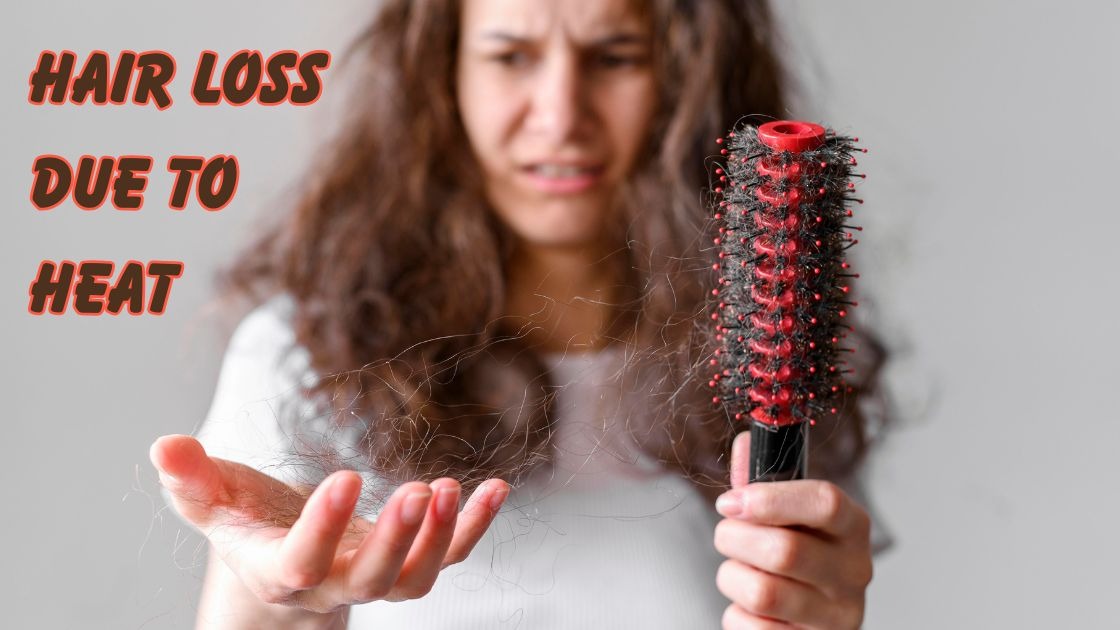
Hair loss due to heat is a growing concern for millions of people worldwide, especially during scorching summer months. Whether you’re using hot styling tools daily or spending hours under the blazing sun, excessive temperatures can wreak havoc on your precious strands.
Many people notice increased hair shedding, brittle strands, and damaged follicles without realizing that heat exposure might be the culprit. The good news? Understanding how thermal damage affects your scalp and hair can help you take preventive measures before it’s too late.
In this comprehensive guide, we’ll explore the science behind heat-related hair thinning, identify warning signs to watch for, and share expert-backed solutions to protect your locks. You’ll discover practical tips for maintaining healthy, strong hair even in the hottest conditions. Let’s dive in and save your strands!
Understanding Hair Loss Due to Heat and Its Impact
Heat damage occurs when high temperatures break down the protein bonds in your hair shaft. Your strands are primarily made of keratin, a protein that becomes vulnerable when exposed to extreme warmth.
When temperatures exceed 300°F, the hair cuticle begins to crack and lift. This allows moisture to escape, leaving your strands dry and prone to breakage. Over time, repeated exposure leads to significant thinning hair and visible damage.
How Thermal Stress Affects Your Scalp
Healthy hair growth depends heavily on your scalp’s condition. Excessive heat can damage hair follicles directly, disrupting the natural growth cycle. When follicles become inflamed or weakened, they produce thinner, weaker strands.
Hair loss due to heat doesn’t happen overnight. It’s a gradual process that many people don’t notice until significant damage has occurred. The scalp’s natural oils also evaporate faster under high temperatures, leading to dryness and irritation.
Common Causes of Heat Related Hair Damage
Understanding what triggers thermal damage helps you protect your locks more effectively. Here are the primary culprits behind heat induced shedding.
Hot Styling Tools
Flat irons, curling wands, and blow dryers are major contributors to hair breakage. Many people use these tools daily without realizing the cumulative damage they cause.
- Flat irons can reach temperatures up to 450°F, far exceeding safe levels for hair
- Blow dryers held too close to the scalp cause direct thermal injury
- Curling irons wrapped around hair for extended periods burn the cuticle
Environmental Heat Exposure
The sun’s UV rays combined with high temperatures create a double threat for your strands. Sun damaged hair becomes brittle, discolored, and prone to splitting.
Spending long hours outdoors without protection accelerates hair loss due to heat significantly. Swimming pools add another layer of concern, as chlorine combined with sun exposure intensifies damage.
Warning Signs of Thermal Hair Damage
Recognizing early symptoms helps you take action before permanent damage occurs. Watch for these indicators of heat stressed strands.
Visual and Textural Changes
Your hair communicates distress through noticeable changes in appearance and feel.
- Increased split ends appearing faster than usual
- Rough, straw like texture that doesn’t improve with conditioning
- Loss of natural shine and luster
- Hair that tangles easily and breaks when brushing
Shedding Patterns
On average, people shed 50 to 100 hairs daily without concern. Excessive shedding beyond this amount may indicate thermal damage affecting your follicles.
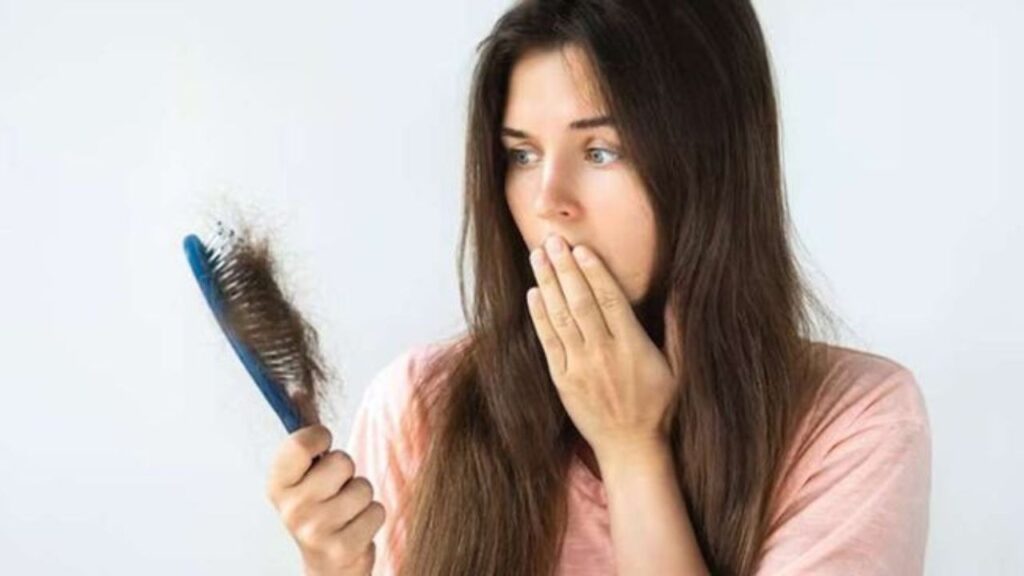
Pay attention to hair accumulating in your brush, shower drain, or on your pillow. A sudden increase often signals underlying damage.
Effective Solutions for Preventing Heat Damage
Protecting your hair from thermal stress requires a combination of smart practices and quality products. These strategies help minimize hair loss due to heat.
Temperature Control Techniques
Lowering the heat settings on your styling tools makes a significant difference. Most hair types don’t require maximum temperatures for effective styling.
Fine or damaged hair should never encounter temperatures above 300°F. Medium textured strands can tolerate up to 350°F, while thick, coarse hair may handle slightly higher settings.
Protective Products and Treatments
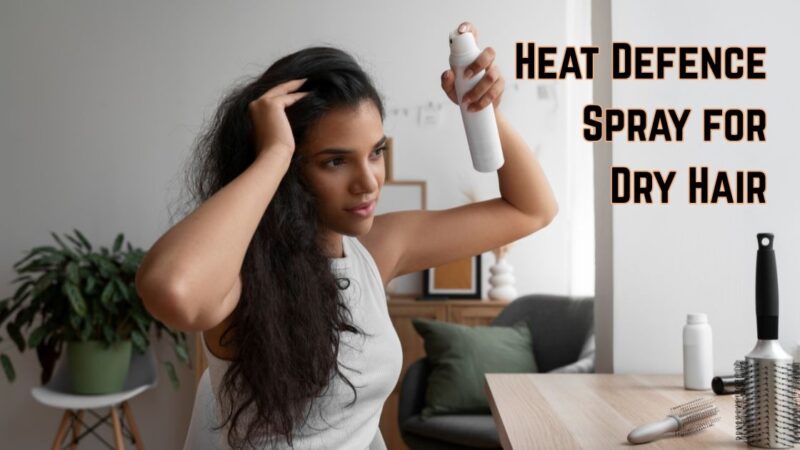
Heat protectant sprays create a barrier between your hair and hot tools. These products contain silicones and polymers that shield the cuticle from thermal injury.
Deep conditioning treatments restore moisture lost through heat exposure. Weekly protein treatments help rebuild damaged keratin bonds and strengthen weakened strands.
Lifestyle Adjustments
Simple changes in your routine significantly reduce heat related damage.
- Air dry your hair whenever possible instead of blow drying
- Wear hats or scarves during peak sun hours
- Limit hot tool usage to two or three times weekly
- Choose lower heat settings and work in smaller sections
The Importance of Scalp Health
Strong hair growth starts with a well-nourished, healthy scalp. Hair loss due to heat often begins at the scalp level before affecting visible strands.
Regular scalp massages improve blood circulation and promote healthy hair follicles. Using gentle, sulfate free shampoos prevents additional drying and irritation.
Keeping your scalp moisturized helps maintain the protective barrier that shields follicles from environmental stressors. Consider incorporating nourishing oils like argan or jojoba into your weekly routine.
Conclusion
Protecting your strands from hair loss due to heat requires awareness and consistent care. Once you understand thermal damage, protecting your hair and scalp becomes much easier.
Remember to lower your styling tool temperatures, use heat protectant products, and limit sun exposure whenever possible. Regular deep conditioning treatments and proper scalp care will help restore and strengthen damaged strands over time.
Your hair deserves gentle treatment. Start implementing these protective strategies today, and you’ll notice stronger, shinier, and more resilient hair within weeks. Small changes truly make a lasting difference.