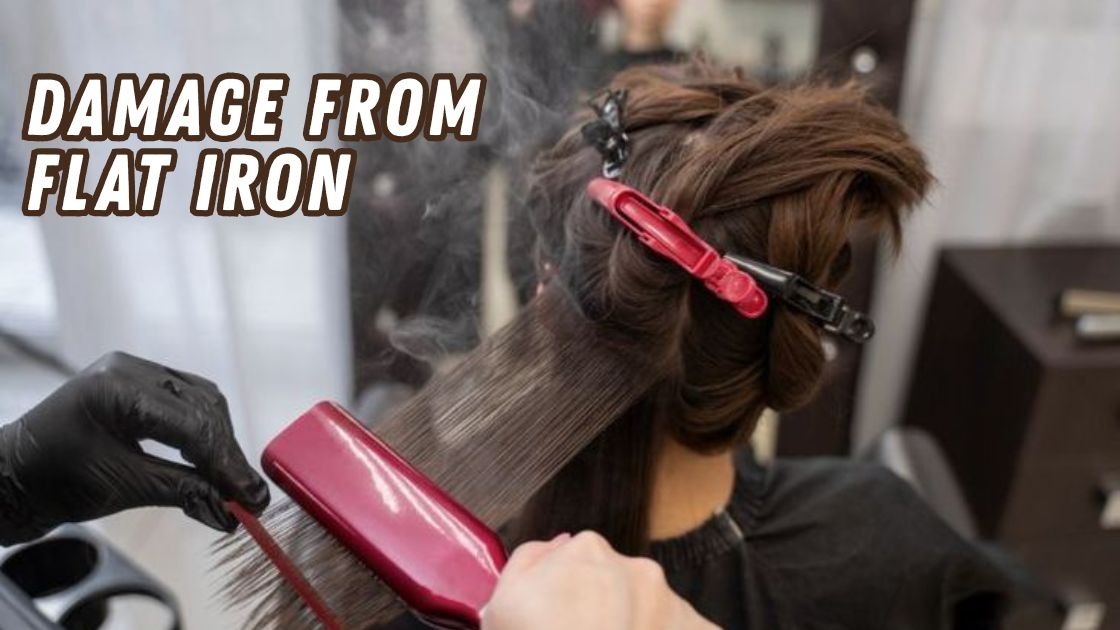
Damage from flat iron styling is a growing concern for millions who rely on heat tools daily. That sleek, polished look comes at a hidden cost many don’t realize until it’s too late. Every time you glide those hot plates through your strands, you risk hair breakage, split ends, and dry brittle hair that loses its natural shine.
This comprehensive guide explores everything you need to know about protecting your locks while still achieving gorgeous styles. You’ll discover the science behind heat damage, learn to recognize early warning signs, and find proven solutions for hair repair. Whether you’re a daily straightener user or occasional stylist, understanding these risks helps you make informed choices. We’ll also share expert tips on thermal protection strategies that keep your mane healthy and stunning for years to come.
Understanding Heat Damage to Your Hair
Your hair consists of a protein called keratin, protected by an outer layer known as the cuticle. When you apply excessive heat, this protective barrier breaks down. The damage from flat iron use occurs because temperatures often exceed 300°F, which is enough to alter your hair’s internal structure permanently.
Thermal styling tools have become household essentials over the past few decades. The flat iron specifically gained popularity in the 1990s when ceramic technology made them safer and more accessible. However, daily use without proper precautions leads to cumulative harm that many users overlook until visible problems appear.
How High Temperatures Affect Hair Structure
Heat causes the moisture inside each strand to evaporate rapidly. This process creates tiny bubbles within the hair shaft, weakening its integrity. Over time, these microscopic changes become visible as frizzy hair, dullness, and increased fragility.
The cuticle layer, which normally lies flat to reflect light and retain moisture, begins lifting and chipping away. Once this protective shield is compromised, your strands become vulnerable to environmental stressors, chemical treatments, and further damage from flat iron styling sessions.
Warning Signs You Need to Recognize
Identifying problems early helps prevent irreversible harm. Your hair communicates distress through several visible and tactile changes that deserve immediate attention.
Physical Symptoms of Overheated Strands
Recognizing the symptoms allows you to take corrective action before permanent harm occurs. Here are the most common indicators:
- Split ends appearing faster than usual, sometimes within days of a fresh trim
- A rough, straw-like texture when running fingers through your strands
- Noticeable hair loss during brushing or washing routines
- Lack of shine and elasticity, making styling increasingly difficult
- Persistent dryness despite regular conditioning treatments
Color-treated hair faces even greater risks. The combination of chemical processing and damage from flat iron exposure creates a double assault on already vulnerable strands. Many people notice their color fading faster or developing unwanted brassy tones.
Essential Prevention Strategies That Work
Protection requires a multi-pronged approach combining product selection, technique adjustments, and lifestyle changes. Implementing these methods dramatically reduces harm while maintaining your desired style.
Choosing the Right Heat Protection Products
Heat protectant spray creates a barrier between your strands and the hot plates. Quality formulas contain silicones that coat each fiber, reducing direct contact with extreme temperatures. Apply these products to damp hair before any heat styling for maximum effectiveness.
Look for ingredients like argan oil, keratin, and ceramides in your protective products. These components help strengthen the hair cuticle while providing thermal defense. Serums and leave-in conditioners offer additional moisture retention benefits.
Temperature Settings and Technique Tips
Not all hair types require the same heat levels. Fine or bleached strands should never exceed 300°F, while thicker textures may need up to 380°F for effective styling. Using adjustable temperature tools allows customization based on your specific needs.
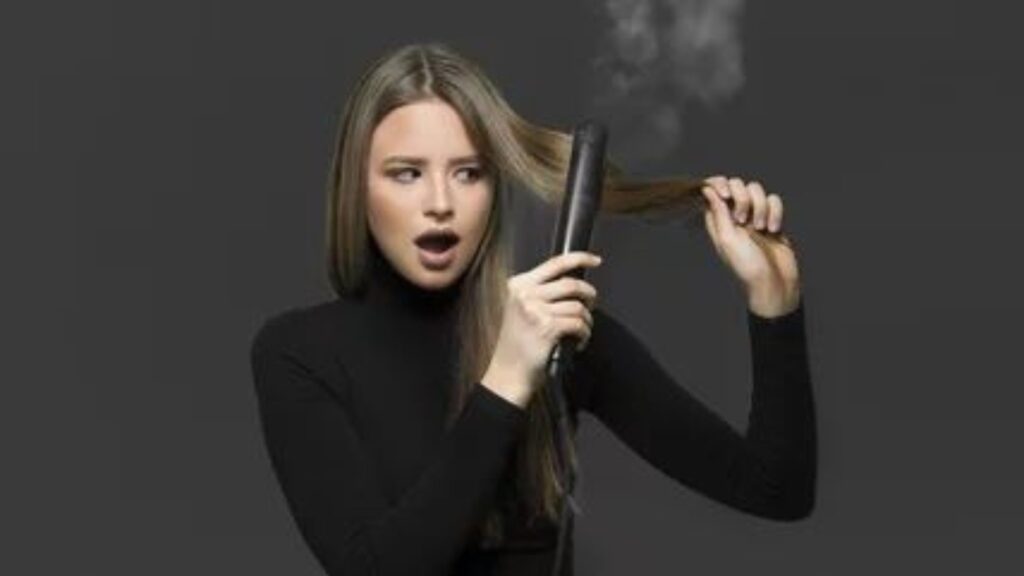
Proper technique significantly reduces damage from flat iron use. Never clamp down on wet hair, as the sizzling sound indicates moisture literally boiling inside your strands. Work in small sections, making single passes rather than repeatedly going over the same area.
Recovery Methods for Already Damaged Hair
Restoration takes patience and consistent care. While severely harmed strands cannot fully heal, you can improve their appearance and prevent further deterioration through targeted treatments.
Deep Conditioning and Protein Treatments
Weekly deep conditioning masks replenish lost moisture and smooth the cuticle layer. Ingredients like shea butter, coconut oil, and hyaluronic acid penetrate below the surface to hydrate from within.
Protein treatments help rebuild structural integrity by filling gaps in the keratin framework. However, balance remains crucial. Excessive protein causes hair to become rigid and break easily. Alternate between moisture and protein therapies for optimal hair restoration.
When Professional Intervention Becomes Necessary
Sometimes home remedies cannot address extensive damage from flat iron overuse. Consulting a professional stylist or trichologist provides personalized assessment and treatment recommendations.
Salon treatments like keratin bonding and Olaplex systems work at the molecular level to repair broken disulfide bonds. These professional solutions offer results impossible to achieve with retail products alone. A trained expert can also evaluate whether trimming damaged ends would benefit your overall hair health and growth potential.
Consider reducing your styling frequency to give strands time to recover naturally. Embracing air-dried looks or heatless curling methods provides attractive alternatives while allowing necessary healing. Your patience today leads to stronger, healthier hair tomorrow.
Conclusion
Protecting your locks from damage from flat iron styling requires awareness, proper products, and smart techniques. Understanding how high heat exposure affects your hair structure empowers you to make better choices daily. Always use thermal protection before styling, adjust temperature settings for your hair type, and incorporate deep conditioning treatments into your routine.
Remember that prevention proves far easier than repair. If you notice signs of heat damage, act quickly with protein treatments and professional consultations. By balancing your styling desires with protective measures, you can enjoy sleek, beautiful hair without sacrificing its long-term health and vitality.