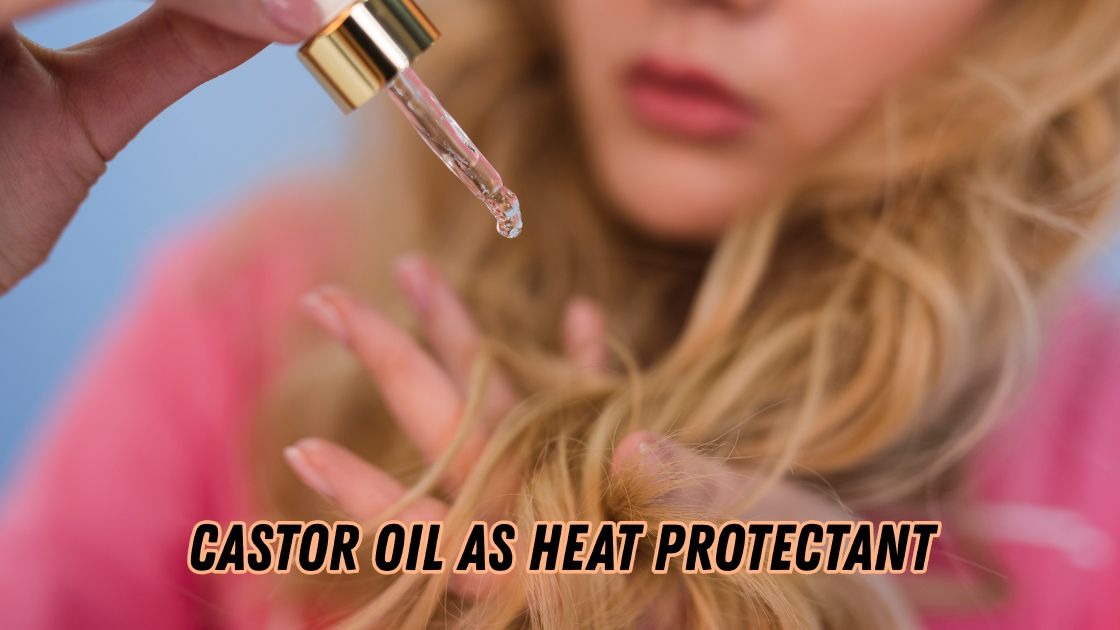
Castor oil as heat protectant has gained popularity among those seeking alternatives to chemical-laden products. This thick, nutrient-rich oil offers impressive benefits for hair health and thermal protection.
In this comprehensive guide, we’ll explore whether castor oil truly works as a barrier against heat styling damage. You’ll discover the science behind its protective properties, learn proper application techniques, and understand its limitations. We’ll also compare it with traditional heat protectant sprays and share expert tips for maintaining healthy hair while using hot tools.
From devoted natural hair lovers to those exploring plant based solutions, this guide equips you with all the knowledge necessary to decide if this time tested oil deserves a spot in your beauty arsenal.

What Is Castor Oil and Why Consider It for Heat Protection?
Castor oil comes from the seeds of the Ricinus communis plant, native to Africa and India. People have used this natural hair care ingredient for centuries to promote hair growth and maintain scalp health.
The oil contains approximately 90% ricinoleic acid, a unique fatty acid responsible for its thick consistency. This composition makes castor oil as heat protectant an interesting option for those avoiding synthetic products.
Unlike water based formulas, castor oil creates a coating around each hair strand. This barrier may help reduce moisture loss during heat styling sessions.
The Science Behind Oil Based Protection
When you apply heat to your hair, temperatures can reach 450°F or higher. This extreme heat causes the hair cuticle to lift, leading to damage and dryness.
Castor oil as heat protectant works by forming a physical layer on the hair shaft. This layer acts as a buffer between the hot tools and your strands.
However, understanding the smoke point becomes crucial here. Castor oil has a smoke point of around 392°F, which means it may break down at very high temperatures.
Benefits of Using Castor Oil Before Heat Styling
Deep Moisturization Properties
One significant advantage of using castor oil as heat protectant involves its exceptional moisturizing properties. The thick consistency locks in hydration effectively.
Your hair retains more moisture throughout the styling process. This results in softer, more manageable locks after using your flat iron or curling iron.
Natural Shine Enhancement
Many users report increased hair shine after incorporating this oil into their routine. The coating effect reflects light beautifully off each strand.
You achieve a glossy finish without relying on silicone based products. This appeals to those following natural hair care philosophies.
Reduced Breakage and Split Ends
Regular use of castor oil as heat protectant may help minimize split ends and breakage prevention. The protective layer reduces friction during styling.
Consider these key benefits:
- Strengthens the hair shaft through fatty acid penetration
- Seals the cuticle layer to prevent moisture escape
- Provides slip that reduces tangling and mechanical damage
- Nourishes hair with vitamins and antioxidants
How to Apply Castor Oil for Heat Protection
Step by Step Application Method
Proper application ensures maximum thermal protection without weighing down your hair. Follow this process for best results:
- Begin with freshly washed, slightly wet hair using a mild cleanser
- Rub a few drops of oil in your hands until it feels warm
- Work the product through your strands from the middle down to the tips, keeping it away from the scalp
- Use a wide tooth comb to distribute evenly
- Allow the oil to absorb for five to ten minutes before styling
Recommended Amounts by Hair Type
Fine hair requires minimal product to avoid a greasy appearance. Use only two to three drops for your entire head.
Those with dense or textured hair can apply a larger amount without worry. Start with a dime sized amount and adjust based on your hair length and density.

Limitations and Challenges to Consider
While castor oil as heat protectant offers benefits, it comes with certain drawbacks. Understanding these helps you make informed decisions.
The heavy texture may not suit everyone. Those with fine hair might experience limpness or an oily look even with small amounts.
Additionally, castor oil as heat protectant lacks the silicones found in commercial products. These silicones provide superior heat resistance at extreme temperatures.
When to Choose Traditional Heat Protectants
Consider commercial heat protectant sprays when:
- Using tools above 400°F regularly
- Needing lightweight protection for fine hair
- Wanting faster application and drying time
- Requiring precise heat blocking ingredients
Expert Tips for Maximum Protection
Combining castor oil as heat protectant with other methods enhances results significantly. Set your styling devices to the minimum heat setting that still achieves your desired results.
Mix castor oil with lighter carrier oils like argan oil or jojoba oil for easier application. This blend provides protection without excessive heaviness.
Never apply castor oil to dirty hair before heat styling. Product buildup combined with oil and heat can cause serious hair damage and an unpleasant smell.
Conclusion
Using castor oil as heat protectant offers a viable natural alternative for those seeking chemical free hair care solutions. This thick, nutrient rich oil provides moisture retention, reduces breakage, and enhances natural shine during styling.
However, it works best at moderate temperatures and suits thick hair types more effectively. For extreme heat styling, combining it with traditional products ensures better thermal protection.
Ultimately, castor oil as heat protectant serves as an excellent addition to your hair care routine when used correctly. Experiment with small amounts first and adjust based on your specific hair needs and styling habits.