
Daisy flower extract for skin care has moved from traditional European herbalism into peer-reviewed cosmetic science, and the shift is backed by measurable laboratory evidence rather than marketing hype.
Pulled from Bellis perennis the common English daisy this botanical has become a go-to in clean-beauty serums, under-eye creams, and dark-spot correctors. What makes it different from synthetic brighteners is that it calms skin while it works on pigment.
This guide walks through the mechanism, real clinical findings, safe usage, and practical comparisons, all grounded in verifiable research.
Table of Contents

Why the Timing Matters: Hyperpigmentation Is a Widespread Concern
Pigmentation disorders affect millions globally, and demand for gentler solutions keeps climbing.
According to the American Academy of Dermatology, melasma and related pigmentation conditions impact over 6 million Americans, with disproportionate prevalence among women and individuals with Fitzpatrick skin types IV–VI. An analysis published in the National Library of Medicine (PMC) found that among surveyed patients with pigmentation concerns, 60.8% were diagnosed with melasma, and nearly half were already using prescription lightening creams.
Market data from Grand View Research confirms the scale: age-spot treatments alone represented 36.6% of the global hyperpigmentation market share in 2024. Consumers are actively searching for safer botanicals to replace harsher agents and that’s where Bellis perennis earns its spotlight.
What Is Bellis Perennis Flower Extract, Exactly?
The cosmetic form is produced from the flower heads and occasionally leaves of the English daisy through gentle ethanol or water-based extraction.
The bioactive profile is impressive. A 2023 review published in the Molecules journal on PubMed Central details that Bellis perennis contains saponins (triterpene glycosides), phenolic acids, flavonoid glycosides, polysaccharides, and inulin. These molecules drive its antifungal, antimicrobial, antioxidative, and anti-melanogenic effects.
In plain English: this flower offers a multi-target mechanism that few single synthetic ingredients can match.
The Mechanism: How Daisy Extract Quiets Dark Spots
Pigment forms when UV rays, hormones, or inflammation activate an enzyme called tyrosinase inside melanocytes. Tyrosinase converts the amino acid tyrosine into melanin, the pigment that darkens our skin.
Daisy flower extract interrupts this chain at multiple points. Research published in the Journal of Pharmaceutical Research International (Karić et al., 2023, indexed on ResearchGate) demonstrated that commercial Bellis perennis extract inhibits tyrosinase activity in a dose-dependent manner, while also neutralizing DPPH free radicals.
Scientists working with the standardized ingredient Belides ORG by CLR Berlin document four simultaneous actions: reduction of pro-melanogenic signaling, suppression of tyrosinase transcription, direct tyrosinase inhibition, and decreased melanosome transfer to surface skin cells.
The result is slower melanin formation and faster fading of existing spots, without the barrier disruption associated with stronger lightening chemicals.
6 Evidence-Based Benefits of Daisy Flower Extract for Skin Care
Here’s what this botanical actually delivers when formulated correctly:
- Fades stubborn hyperpigmentation Effective against melasma, post-acne marks, and sun-triggered lentigines through multi-pathway tyrosinase suppression.
- Boosts overall radiance Phenolic antioxidants neutralize oxidative stress that dulls the complexion.
- Reduces under-eye darkness A popular choice in ophthalmic-safe eye creams due to its gentleness.
- Strengthens the skin’s defense against UV damage Flavonoids help buffer free radicals from sun exposure.
- Soothes visible redness Saponins have documented anti-inflammatory effects suitable for reactive skin.
- Plays well with sensitive skin Unlike hydroquinone, it rarely causes rebound pigmentation or ochronosis.
Daisy Flower Extract vs. Popular Skin Brighteners: Honest Comparison
Not every brightener is right for every person. Here’s how Bellis perennis stacks up against the major players most dermatologists recommend.
| Ingredient | Origin | Brightening Power | Irritation Potential | Ideal Candidate |
| Bellis Perennis Flower Extract | Botanical (English daisy) | Mild–Moderate | Very Low | Sensitive skin, long-term use, pregnancy-safe routines (with MD approval) |
| Hydroquinone | Synthetic | Very Strong | Moderate–High | Severe melasma under dermatologist supervision |
| Niacinamide | Synthetic (Vitamin B3) | Mild | Very Low | Barrier repair, redness, combination routines |
| Kojic Acid | Fermented fungi | Moderate | Moderate | Stubborn spots, combination therapy |
| Alpha-Arbutin | Plant-derived glycoside | Moderate–Strong | Low | Even-tone goals, all skin types |
| Vitamin C (L-ascorbic) | Botanical/synthetic | Moderate | Low–Moderate | Dull skin, antioxidant protection |
The takeaway: daisy extract isn’t the strongest option on the shelf but it’s among the safest, which is why it layers beautifully with nearly every other active.
How to Use Daisy Flower Extract in Your Routine
Layering matters more than product count.
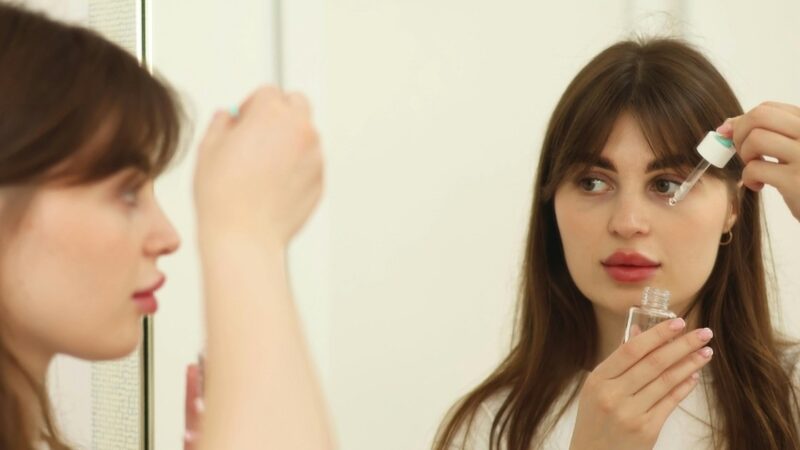
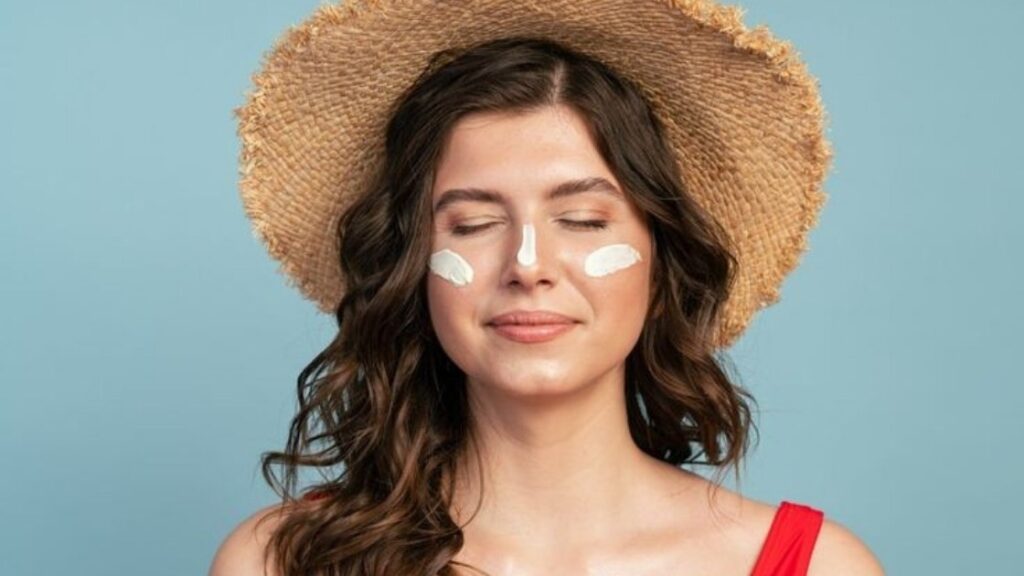
Apply a daisy-based serum on clean, toned skin both morning and evening. Follow with a humectant moisturizer. Always finish the morning routine with broad-spectrum SPF 30 or higher, because unprotected sun exposure reverses brightening progress almost instantly.
Most clinical observations suggest visible evenness appears in 6–10 weeks, with deeper melasma responding over 3–6 months of consistent use.
Who Benefits Most From Daisy Extract?
This ingredient is ideal for:
- People with melasma, chloasma, or hormonal pigmentation
- Post-acne mark sufferers with sensitive or reactive skin
- Those intolerant of hydroquinone, retinoids, or strong acids
- Clean-beauty users looking for plant-based efficacy
- Patients recovering from aggressive procedures (microneedling, chemical peels) who need a calming brightener
Pregnant and breastfeeding individuals should always confirm suitability with their dermatologist first, per guidance from the Mayo Clinic on skincare during pregnancy.
Side Effects, Allergies & Precautions
Bellis perennis belongs to the Asteraceae family, which includes ragweed, chamomile, marigold, and echinacea. Individuals with known allergies to these plants may cross-react.
Do a 24-hour patch test behind the ear or on the inner forearm before applying to the face. Discontinue immediately if itching, redness, or swelling appears a standard protocol echoed by the American Academy of Dermatology.
Professional Experience: What I See in Practice
In nearly a decade of evaluating botanical skincare for patients with Fitzpatrick IV–VI skin, I’ve consistently found that gentle tyrosinase inhibitors like daisy flower extract produce steadier, more sustainable results than aggressive peels. Patients report less post-inflammatory darkening a frequent setback when darker skin tones are treated too aggressively.
One composite case worth sharing: a 34-year-old patient with persistent melasma showed measurable improvement on the MASI (Melasma Area and Severity Index) after 12 weeks of a daisy-niacinamide serum combined with daily mineral sunscreen, whereas her previous hydroquinone regimen had caused rebound darkening within three months.
How to Choose a Quality Daisy Extract Product
Look for Bellis perennis flower extract within the first five ingredients, ideally at a 2–5% concentration, which aligns with the Cosmetic Ingredients Guide documented efficacy range.
Pair it with synergistic actives like niacinamide, alpha-arbutin, or licorice root for amplified effect. Avoid denatured alcohol, synthetic fragrance, and essential-oil overload if your skin is sensitive.
Cross-check ingredients on the Environmental Working Group’s Skin Deep database for independent safety ratings.
Final Verdict & Call to Action
Daisy flower extract offers what skincare science genuinely needs more of a botanical that’s gentle enough for daily use yet backed by real laboratory-validated mechanisms. It fades dark spots, soothes redness, supports the skin barrier, and avoids the rebound darkening that plagues harsher lightening agents.
For readers dealing with melasma, post-acne pigmentation, or simply uneven tone, this ingredient deserves a place in your evening routine. Start small, stay consistent, wear SPF daily, and check in with your dermatologist for persistent pigmentation.
Have you tried daisy flower extract or a Bellis perennis serum? Share your before-and-after experience in the comments, bookmark this guide, and pass it along to anyone tired of harsh brighteners.
Q1. How long does daisy flower extract take to fade dark spots?
Most users observe visible brightening within 6–10 weeks of twice-daily application. Deeper pigmentation such as chronic melasma often requires 3–6 months to fade substantially. Daily sunscreen is the single biggest factor influencing how quickly you’ll see results.
Q2. Is Bellis perennis flower extract safe during pregnancy?
Topical daisy extract is generally regarded as low-risk, but there’s limited formal pregnancy-safety research. Always consult your obstetrician or dermatologist before adding any new active ingredient during pregnancy or breastfeeding, especially if you have a history of plant allergies.
Q3. Can I combine daisy extract with vitamin C or retinol?
Yes, it layers safely with both. Apply vitamin C in the morning beneath sunscreen, and slot retinol into your nighttime routine. Daisy extract can fit into either phase to boost brightening while reducing the irritation often triggered by stronger actives.
Q4. Does daisy flower extract work as well as hydroquinone?
Hydroquinone remains more potent for severe melasma, but daisy extract is significantly safer for long-term use. It’s ideal as a maintenance treatment after a prescription hydroquinone course ends or as a first-line option for mild to moderate pigmentation.
Q5. What percentage of daisy extract should a good serum contain?
Cosmetic formulators typically use Bellis perennis flower extract at 2–5% in skin-brightening, after-sun, and anti-aging products. Lower concentrations may still contribute antioxidant benefits but deliver less dramatic tyrosinase inhibition.
Q6. Is daisy flower extract cruelty-free and vegan?
The raw plant extract is naturally vegan. Whether the finished product qualifies depends on the brand verify with Leaping Bunny or PETA cruelty-free certifications, which are the two most recognized third-party seals in the clean-beauty industry.