Healthy preservatives for skin care are no longer a niche concern they’ve become a deciding factor for shoppers who scan every INCI label before buying.
As the clean-beauty movement matures and buyers grow cautious about synthetic additives, the spotlight has shifted toward skin-friendly alternatives that protect formulas from microbial growth without irritating the skin barrier. This guide, grounded in dermatological and regulatory research, explains what actually works, what’s marketing spin, and how to identify genuinely safe products on the shelf.
Table of Contents
Why Cosmetic Preservation Exists in the First Place
Any cosmetic containing water serums, lotions, gels, cleansers creates a perfect environment for bacteria, yeast, and mold. According to the U.S. Food and Drug Administration, preservatives are essential for preventing contamination that could cause eye infections, rashes, or more serious health risks once a product is opened.
The European Commission’s Cosmetics Regulation (EC 1223/2009) enforces a strict list of approved preservatives across the EU, showing how seriously global regulators treat microbial safety. Translation: an unpreserved water-based cream isn’t “cleaner” it’s a health risk in disguise.
What Are Healthy Preservatives for Skin Care?
Think of healthy preservatives for skin care as the gentle gatekeepers of your beauty products. They stop harmful microorganisms from multiplying while keeping your skin barrier calm and your microbiome intact. Unlike older synthetics, these alternatives are typically derived from botanicals, fermentation, or food-grade compounds already recognized as safe.
The Cosmetic Ingredient Review (CIR) , an independent body that assesses ingredient safety has evaluated dozens of these natural options and concluded that many are suitable for cosmetic use when applied within specified concentration limits.
The Problem With Traditional Synthetic Preservatives
Parabens, formaldehyde-releasers, and methylisothiazolinone (MIT) dominated the industry for decades because they work but research has raised real concerns.
The Environmental Working Group (EWG) has flagged certain parabens for potential endocrine-related effects. The North American Contact Dermatitis Group has repeatedly listed MIT and formaldehyde-releasers among the top allergens triggering cosmetic contact dermatitis in recent years. That’s why formulators are pivoting toward cleaner systems that protect both the product and the skin microbiome.
Main Categories of Natural Cosmetic Preservation
Botanical Extracts
Rosemary, thyme, neem, and honeysuckle contain antimicrobial phytochemicals used in traditional medicine for centuries. Modern cosmetic chemistry now standardizes these extracts for reliable, repeatable performance.
Fermented Bio-Actives
Leuconostoc/radish root ferment filtrate and lactobacillus ferment are rising stars in K-beauty and indie clean-beauty labs. Fermentation produces natural peptides and organic acids that inhibit microbial growth while remaining skin-compatible.
Organic Acids & Food-Grade Actives
Potassium sorbate, sodium benzoate, and sodium anisate (derived from anise) are pH-dependent preservatives used in both food and cosmetics. Research indexed on PubMed shows these compounds perform strongly against yeast and mold in acidic formulations.
Antioxidant Preservatives
Tocopherol (vitamin E) and rosemary oleoresin prevent oil rancidity a different kind of “preservation” focused on lipid stability rather than microbial control.
Quick-Reference Comparison Table
| Preservative | Effective Against | Best Formulation Type | pH Range |
| Leuconostoc / Radish Root Ferment | Broad-spectrum microbes | Water-based creams & serums | 3 – 8 |
| Potassium Sorbate | Yeast & mold | Acidic water-based formulas | 3 – 6 |
| Sodium Benzoate | Bacteria & yeast | Acidic formulas | 2 – 5 |
| Sodium Anisate + Levulinate | Bacteria & mold | Water-based, pH <5 | 4 – 5 |
| Rosemary Extract | Oxidation + mild microbial | Oil blends & balms | Flexible |
| Tocopherol (Vitamin E) | Oxidation | Oil-based, anhydrous | Flexible |
Values cross-referenced from CIR assessments and standard cosmetic formulation literature.
Key Benefits of Switching to Gentle Preservation
- Lower risk of contact dermatitis in sensitive or reactive complexions
- Improved compatibility with the skin’s natural microbiome
- Cleaner environmental profile with biodegradable breakdown
- Fewer synthetic compounds entering daily body exposure
- Strong alignment with vegan, cruelty-free, and halal certifications
- Pregnancy-friendly options free from hormone-related concerns
- Reduced allergen load for eczema- and rosacea-prone users
Formulation Realities Most Blogs Skip (and Why They Matter)
Here’s the truth any working cosmetic chemist will confirm: no single natural preservative delivers full broad-spectrum protection alone. The industry relies on “hurdle technology” combining two or three mild preservatives with supporting factors like chelators (e.g., sodium phytate), low pH, and low water activity to build a robust system.
The Society of Cosmetic Chemists emphasizes that pH, water content, and packaging all influence how well a preservative performs. A product at pH 5.5 needs a completely different strategy than one at pH 7. This is why choosing healthy preservatives for skin care depends on the formula, not on ingredient ideology.
How to Spot Genuinely Safe Clean-Beauty Products
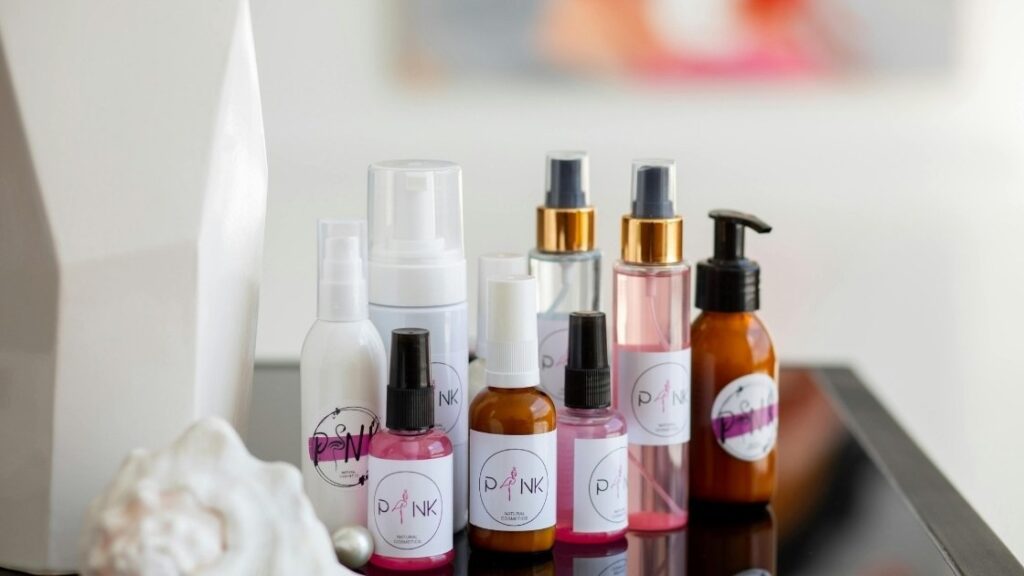
When scanning a label, look for recognizable names such as leuconostoc ferment filtrate, tocopherol, potassium sorbate, or sodium anisate. Confirm the packaging displays a Period-After-Opening (PAO) symbol like 6M, 9M, or 12M. Be skeptical of “preservative-free” claims on water-based products they often signal inadequate protection rather than cleaner chemistry.
Choose airless pumps or sealed dispensers over open jars. The American Academy of Dermatology points out that open jars expose formulas to more microbial contamination than closed delivery systems. When in doubt, cross-check ingredients through the EWG Skin Deep database or ECOCERT/COSMOS-certified product listings.
Global Regulatory Landscape (Topical Depth)
Different regions treat preservatives differently, which matters when shopping international clean-beauty brands. The EU’s positive-list approach under Regulation 1223/2009 is stricter than the U.S. FDA’s framework, while Japan’s Ministry of Health, Labour and Welfare maintains its own approved roster. Some preservatives allowed in the United States have restricted usage in the EU a detail serious formulators watch closely. Understanding this helps you evaluate imported products with a sharper, more informed eye.
Smart Storage Habits That Extend Shelf Life
Even well-preserved products break down with poor handling. Store skincare away from direct sunlight, steam, and humidity. Use clean fingers or a spatula and reseal caps immediately after use. Cosmetic science research indicates that repeated exposure to heat above 30°C (86°F) can accelerate ingredient degradation and meaningfully shorten a product’s effective shelf life.
Why Healthy Preservatives for Skin Care Deserve Attention Now
Consumer awareness has reshaped the beauty industry. Market analysis from Grand View Research indicates that the clean-beauty sector is projected to keep expanding through the decade, driven by demand for non-toxic, transparent formulations. As informed buying grows, brands willing to invest in safer preservation systems are earning trust and long-term customer loyalty.
Conclusion
Choosing healthy preservatives for skin care is more than a trend it’s a science-backed decision that protects your skin, your wallet, and the planet. Clean-beauty preservation has evolved far beyond “paraben-free” marketing claims, and today’s botanical ferments, organic acids, and antioxidant blends deliver genuine, dermatologist-approved safety when formulated correctly.
Before your next purchase, flip the bottle, decode the INCI list, and ask whether the preservation system actually suits the formula type. If this guide made label-reading easier, share it with a friend who loves clean beauty, drop your favorite natural-preservative brand in the comments, or bookmark it for your next skincare haul.
1. Can natural preservatives really replace parabens effectively?
Yes, when combined correctly. Clean-beauty formulators typically blend two or three natural preservatives such as leuconostoc ferment with potassium sorbate to achieve broad-spectrum coverage that matches or rivals paraben-based systems in stability testing.
2. Are essential oils reliable preservatives?
Not really. Oils like tea tree and rosemary have antimicrobial activity but lack consistent broad-spectrum coverage and can trigger sensitization. The Cosmetic Ingredient Review treats them as supportive actives rather than standalone preservatives for water-based products.
3. What’s the safest preservative for sensitive or eczema-prone skin?
Radish root ferment filtrate and tocopherol are among the gentlest options available. Dermatologists often recommend fragrance-free products preserved with these ingredients for clients managing rosacea, eczema, or chronic allergies.
4. Are preservative-free cosmetics actually safe?
Only if they’re 100% anhydrous (oil-based or powder-based) or packaged in single-use doses. Water-containing products without preservation can develop harmful microbes within days, a risk clearly documented in FDA contamination alerts.
5. How long do naturally preserved skincare products last after opening?
Most naturally preserved creams and serums remain stable for 6 to 12 months after opening. Always check the PAO symbol (e.g., “12M”) on the packaging, and discard products if the texture, color, or scent changes noticeably.
6. Do organic or vegan labels guarantee better preservatives?
Not automatically. Organic and vegan certifications focus on sourcing and animal welfare, not microbial safety. For genuine assurance, review the complete ingredient list and look for ECOCERT or COSMOS certifications, which audit the preservation system as well.Choosing brands transparent about their healthy preservatives for skin care remains the most reliable path to safe, clean beauty.