A basic makeup routine helps anyone look polished, fresh, and naturally confident in less than ten minutes each morning. Whether you are new to cosmetics or simply want to simplify your beauty habits, learning a few core techniques will completely transform how you approach daily grooming.
Beauty culture has shifted significantly over the past decade. Shoppers now favour understated, skin-first finishes over heavy coverage, a trend reflected in market data from Circana’s prestige beauty tracking, which shows steady growth in lightweight complexion products.
Table of Contents
Why Simplicity Wins for Daily Makeup
Minimalism is more than a trend it is genuinely better for your complexion. According to the American Academy of Dermatology, piling on too many cosmetic layers raises the risk of clogged pores, irritation, and breakouts.
A streamlined beginner makeup routine also saves time and money. You invest in quality multitasking essentials instead of accumulating a drawer full of half-used products.
Skincare Prep: The Foundation of Any Natural Makeup Look
No cosmetic product performs well on unprepared skin. Dermatologists at the Cleveland Clinic emphasise that proper hydration, sun protection, and gentle cleansing form the non-negotiable base of a beautiful finish.
Begin each morning with a mild cleanser suited to your skin type, then apply a lightweight moisturiser followed by broad-spectrum SPF 30 or higher. The Skin Cancer Foundation notes that daily sunscreen use meaningfully reduces skin cancer risk while also helping prevent premature ageing.
Allow your skincare layers to absorb fully usually two to three minutes before reaching for any makeup. A well-executed basic makeup routine always begins with this prep step.
The Essential Product Lineup
You do not need a crowded vanity to pull off a natural everyday look. Here are the six multitasking items every beginner should own:
- Tinted moisturiser or BB cream for a breathable, skin-like base
- Creamy concealer to brighten under-eyes and cover occasional blemishes
- Cream blush for a soft, dewy flush on the cheeks
- Neutral eyeshadow in a matte or satin finish for subtle definition
- Lengthening mascara to open the eyes instantly
- Tinted lip balm or sheer lipstick for hydration with a hint of colour
Step-by-Step Application for a Polished Finish
After testing dozens of product combinations across different skin types in my years as a beauty writer, I have found that the following order delivers the most consistent results.
Step 1: Prime the Canvas
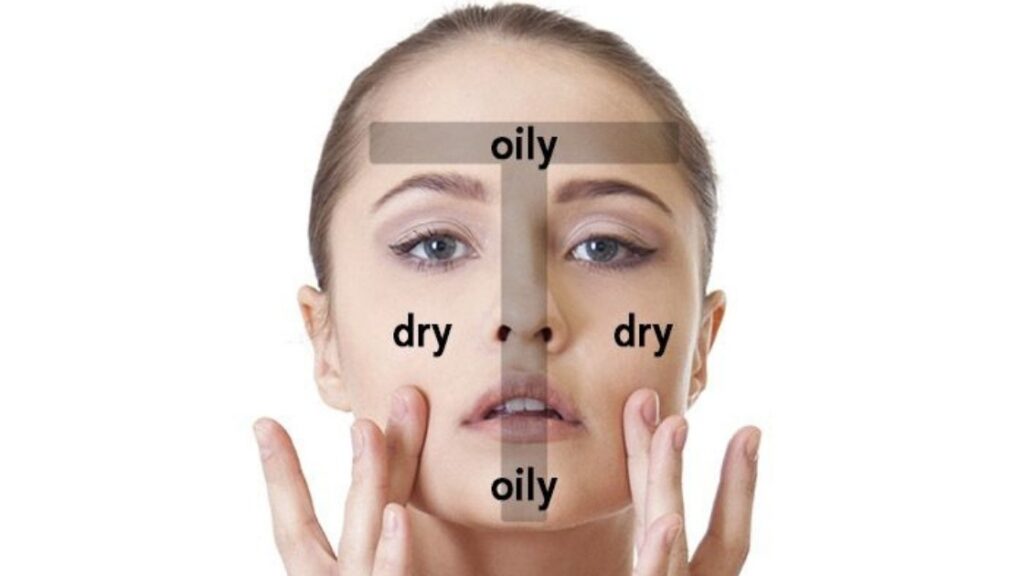
A thin film of primer smooths texture and extends wear. Focus application across the T-zone, where oil tends to break down cosmetics first particularly in humid climates.
Step 2: Even the Skin Tone
Dispense a small amount of tinted moisturiser onto the back of your hand, then use clean fingertips or a slightly damp sponge to press the product outward from the centre of your face. This pressing motion builds coverage gradually and avoids the streaky finish that often frustrates beginners.
Step 3: Brighten Under the Eyes
Dab concealer in a small inverted triangle beneath each eye, then tap gently with your ring finger to blend the edges. Research published in the Journal of Cosmetic Dermatology suggests that warm skin temperature helps cream formulas melt more seamlessly, which is exactly why fingertip application often outperforms brushes for concealer work.
Step 4: Add Warmth and Dimension
Smile gently and press cream blush onto the apples of your cheeks, blending upward toward the temples for a subtle lifted effect. A good basic makeup routine always includes this warmth step, as it prevents the base from looking flat.
Step 5: Finish the Eyes and Lips
Sweep a neutral eyeshadow across the lids, curl your lashes briefly, and apply one or two coats of mascara. Complete the look with a hydrating tinted balm.
Troubleshooting Common Makeup Problems
| Problem | Likely Cause | Quick Fix |
| Foundation slides off | Skipped primer or oily skin | Use a mattifying primer; blot midday |
| Concealer creases | Too much product applied | Build in thin layers and set lightly |
| Blush appears patchy | Dry, flaky skin underneath | Exfoliate twice weekly and hydrate well |
| Mascara smudges | Oily eyelid or wet concealer | Set the under-eye with translucent powder |
| Wrong foundation shade | Tested on hand instead of jaw | Match shades on your neck in natural light |
Adapting Your Routine to Your Skin Type
Not every face requires the same approach. A minimal makeup routine for oily skin relies on oil-absorbing primers and powder finishes, while dry skin benefits from hydrating serums and richer cream-based products layered generously.
Combination skin sits in the middle most people apply mattifying primer on the T-zone and cream blush on drier cheeks. The Mayo Clinic recommends identifying your baseline skin type before investing in products, since mismatched textures are the leading reason people abandon their daily routines.
Real-World Experience: Lessons From a Decade of Testing
Over ten years of writing about cosmetics and testing formulas on my own sensitive, combination skin, the single most valuable lesson I have learned is that consistency beats expensive products every time. A carefully applied drugstore concealer almost always outperforms a luxury product rushed in thirty seconds. That lesson now shapes every basic makeup routine I recommend to readers.
Conclusion
A well-designed basic makeup routine delivers consistently flattering results in a fraction of the time heavier regimens demand. By prioritising skincare prep, mastering a short list of multitasking essentials, and applying everything in the correct order, anyone can achieve a naturally radiant daily finish.
The real secret is not how many products you own, but how well you understand your own face. Start small, practise daily, and adjust as you learn what suits your features.
Try these steps tomorrow morning then share this guide with a friend or drop a comment below with your favourite shortcut. We read every reply.
What is the correct order for a basic makeup routine?
The correct order begins with skincare (cleanser, moisturiser, sunscreen), followed by primer, then tinted moisturiser or foundation, concealer, cream blush, eye makeup, and finally lip products. Finishing with a setting spray locks everything in place for longer-lasting wear.
How long should a beginner spend on daily makeup?
Most beginners finish within 10 to 15 minutes, with speed improving noticeably after two weeks of consistent practice. Experienced users often complete the entire face in under seven minutes.
Can I skip foundation in a minimalist makeup look?
Yes, skipping full-coverage foundation is widely recommended for everyday wear. A tinted moisturiser or BB cream provides breathable, light coverage that feels comfortable and photographs naturally in any lighting.
Do I need different products for oily versus dry skin?
Yes, product textures matter a great deal. Oily skin performs best with oil-free primers and powder blush, while dry skin looks healthier with hydrating serums, cream blush, and dewy finishes.
Is setting spray really necessary?
Setting spray is optional but highly recommended in hot or humid climates. It can extend makeup wear by several hours and often improves how skin-like and natural your base appears.
What is the biggest mistake beginners make?
The most common mistake is applying too much product at once. Thin, buildable layers always look more natural and polished than a single heavy application in any daily routine.