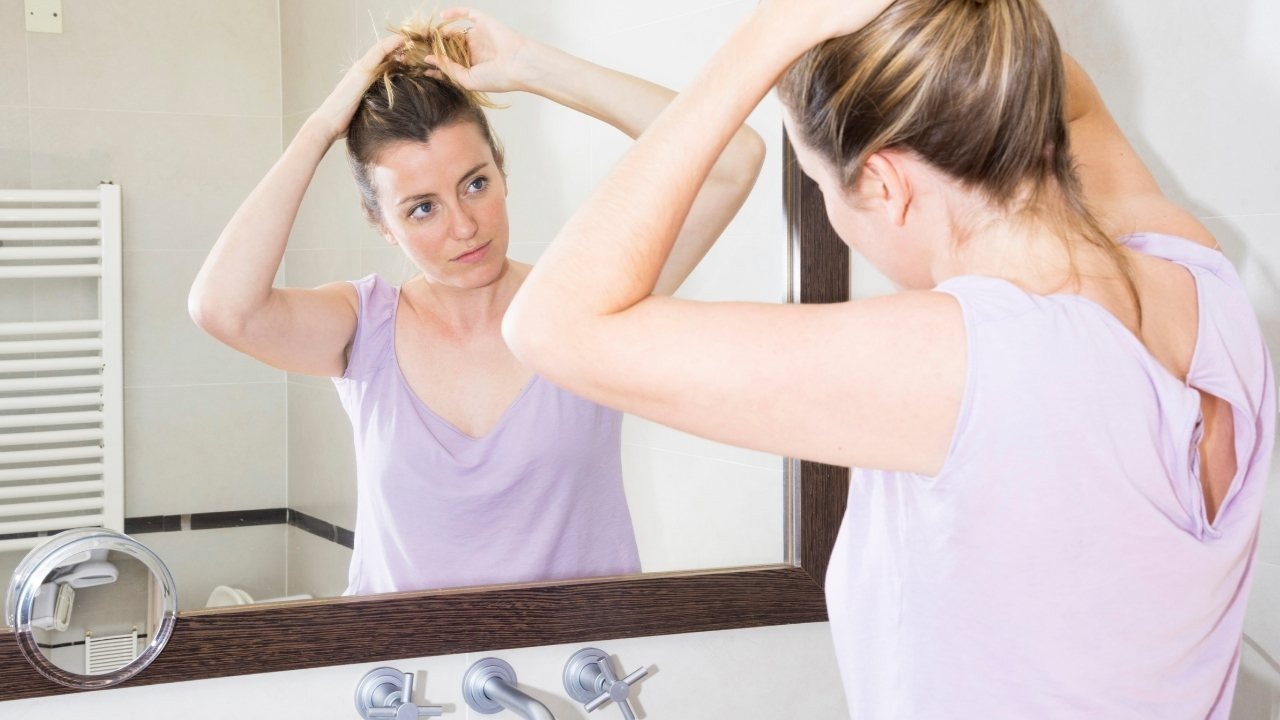
That heavy, candle-like coating clinging to your roots is almost always a sign of seborrheic dermatitis waxy hair, a condition tied to oil overproduction, yeast imbalance, and scalp inflammation. Many readers assume they simply need to shampoo harder or more often, but the real answer lies deeper, inside the biology of the scalp itself. This guide walks you through what is actually happening at the root, why traditional washing rarely fixes it, and which treatments dermatologists trust most.
Drawing on peer-reviewed dermatology research and guidance from trusted medical bodies, we’ll cover triggers, symptoms, shampoo ingredients that truly work, and daily routines that prevent flare-ups from returning.
Table of Contents
What Seborrheic Dermatitis Really Is
Seborrheic dermatitis is a long-term inflammatory skin disorder that targets oil-rich zones like the scalp, producing greasy yellow flakes, redness, itching, and a sticky residue on hair strands.
This condition sits within the eczema family, according to the American Academy of Dermatology. It tends to flare in cycles rather than appear once and vanish. Affected zones usually include the scalp, eyebrows, sides of the nose, chest, and the area behind the ears.
In babies, the same condition shows up as cradle cap. In adults, research shared by the National Eczema Association indicates a meaningful portion of the global population experiences it at some stage of life, which explains why search volume around greasy, sticky hair continues to rise every year.
Why Your Hair Feels Waxy at the Roots
Quick answer: A waxy scalp forms when excess sebum, shedding dead skin cells, and an overgrowth of Malassezia yeast bind together and coat hair strands near the follicle.
The skin on your scalp contains sebaceous glands that secrete an oily substance called sebum. When these glands work overtime, they release far more oil than the surface needs. This oil becomes fuel for Malassezia, a yeast that already lives on almost every person’s scalp without causing trouble.
In people prone to this condition, the immune system reacts to yeast byproducts, sparking inflammation and accelerating how quickly skin cells shed, as noted by the Mayo Clinic. The final result is a sticky mixture of oil, dead cells, and microbial residue that clings to each strand, producing the heavy texture you can feel between your fingers.
Common Symptoms to Watch For
Quick answer: Greasy yellow flakes, a sticky scalp film, itching, dull-looking hair, and a faint scalp odor are the most recognizable clues.
| Symptom | What You May Notice |
| Waxy film | Thick, sticky coating at the hairline and roots |
| Yellowish scales | Oily flakes that feel soft, not powdery |
| Persistent itching | Often worse at night or after sweating |
| Red or pink patches | Inflamed areas hidden beneath hair |
| Mild odor | A sour or musty smell even after washing |
| Heavy strands | Hair that looks limp and clumps together |
If three or more of these signs feel familiar, the condition is highly likely to be the cause.
Seborrheic Dermatitis vs. Dandruff vs. Psoriasis
Quick answer: Dandruff is the mildest form, seborrheic dermatitis involves visible inflammation and oily scales, while scalp psoriasis produces thicker, silvery plaques with sharply defined edges.
Confusion between these three conditions is extremely common. Here’s how dermatologists tell them apart:
| Feature | Dandruff | Seborrheic Dermatitis | Scalp Psoriasis |
| Flake type | White, dry | Yellow, greasy | Silver, thick |
| Inflammation | Minimal | Moderate | High |
| Itch level | Low to medium | Medium to high | High |
| Spread | Scalp only | Scalp, face, chest | Scalp, elbows, knees |
| Trigger yeast | Mild overgrowth | Strong overgrowth | Autoimmune, not yeast |
Getting the right diagnosis matters because treatments differ widely. When in doubt, a dermatologist can confirm it with a quick visual exam.
What Triggers Flare-Ups
Quick answer: Stress, hormones, cold weather, heavy hair products, infrequent washing, and weakened immunity are the top triggers.
Based on clinical insights shared by the Cleveland Clinic, these are the factors most likely to set off a sticky scalp episode:
- Emotional stress and sleep deprivation
- Hormonal shifts during puberty, pregnancy, or menopause
- Dry, cold climates that damage the skin barrier
- Thick oils, pomades, and butters that feed yeast
- Gaps between washes that allow buildup to harden
- Chronic illness such as Parkinson’s disease or HIV-related immune changes
Keeping a two-week scalp journal helps most people spot their personal pattern quickly.
How Dermatologists Treat Greasy, Sticky Scalp Buildup
Quick answer: Medicated shampoos containing ketoconazole, zinc pyrithione, selenium sulfide, salicylic acid, or coal tar remain the gold-standard treatment, often rotated weekly.
1. Pick a Proven Active Ingredient
Clinical reviews published through the National Institutes of Health confirm that antifungal and anti-inflammatory shampoos are first-line therapy. Here’s how the main ingredients compare:
| Ingredient | Primary Action | Best For |
| Ketoconazole 2% | Antifungal | Stubborn yeast overgrowth |
| Zinc pyrithione | Antimicrobial, oil control | Mild to moderate cases |
| Selenium sulfide | Slows cell turnover | Flaky, itchy scalps |
| Salicylic acid | Exfoliant | Waxy buildup removal |
| Coal tar | Anti-inflammatory | Red, irritated scalps |
2. Use the Shampoo Correctly
Apply to damp hair, massage into the scalp only, and let it sit for at least five minutes before rinsing. Rushing the rinse is the number one reason treatments fail.
3. Rotate Shampoos Weekly
Alternating between two different active ingredients prevents your scalp’s microbes from adapting. Many dermatologists suggest a ketoconazole shampoo on some days and a salicylic acid one on others.
4. Know When to Escalate
If symptoms persist beyond four to six weeks, prescription options like topical corticosteroids, calcineurin inhibitors, or oral antifungals may be needed, according to Harvard Health Publishing.
Natural Remedies That Genuinely Support Healing
Quick answer: Tea tree oil, aloe vera, apple cider vinegar rinses, and omega-3 rich foods can gently support medicated treatment but should not replace it.
Gentle at-home options that carry research backing include:
- Diluted tea tree oil for mild antifungal action
- Aloe vera gel to calm redness and irritation
- Weekly apple cider vinegar rinse to loosen sticky residue
- Omega-3 foods like walnuts, flaxseed, and fatty fish to lower inflammation
- Probiotic-rich meals that may support scalp microbiome balance
Always patch-test anything new behind your ear for 24 hours before applying to the full scalp.
Daily Habits That Keep a Sticky Scalp From Returning
Quick answer: Wash two to three times weekly, skip heavy styling creams, manage stress, and keep bedding fresh.
Small habit shifts often outperform expensive products:
- Use lukewarm water instead of hot
- Brush gently before shampooing to lift flakes
- Change pillowcases every three to four days
- Eat a nutrient-dense diet rich in zinc, biotin, and vitamin D
- Manage stress through prayer, walking, journaling, or breathwork
- Avoid scratching, which can break the skin barrier and invite infection
Can This Condition Cause Hair Loss?
Quick answer: Usually no, but ongoing inflammation and scratching can weaken follicles temporarily, leading to shedding that reverses once the scalp calms down.
Research summarized by the NHS notes that while the condition itself rarely destroys hair follicles, repeated scratching, untreated inflammation, and harsh styling can worsen shedding. Once inflammation is under control, most people regain normal growth within a few months.
Conclusion
The sticky, coated feeling you’ve been fighting is not caused by dirt, poor hygiene, or bad shampoo choices it’s a treatable inflammatory condition rooted in oil glands, yeast, and immune response. With the right medicated shampoo, smarter habits, and patience over four to six weeks, most people see a dramatic change in scalp texture and comfort. If this walkthrough made the science click, share it with someone else battling greasy buildup, and tell us in the comments which tip you plan to try first.
1. How long does it take for a medicated shampoo to clear waxy buildup?
Most people see noticeable improvement within two to four weeks of consistent use. Full clearing often takes six weeks when paired with gentler styling habits and stress management.
2. Can washing hair daily make seborrheic dermatitis worse?
Daily washing with regular shampoo can strip protective oils and push glands to produce even more sebum. Medicated shampoos two to three times per week usually deliver better long-term results.
3. Is this condition contagious through combs or pillows?
No, it is not contagious in any form. The yeast involved already lives naturally on everyone’s skin, so sharing brushes or pillows does not transmit the condition.
4. Does diet really affect a waxy, inflamed scalp?
Diet alone cannot cure it, but lower sugar intake and more anti-inflammatory foods like fatty fish, leafy greens, and nuts may reduce how often flare-ups occur. Think of food as a supporter, not a solution.
5. Why does my scalp smell even right after shampooing?
The odor usually comes from yeast byproducts and oxidized sebum trapped at the roots. Medicated antifungal shampoos with ketoconazole or zinc pyrithione typically eliminate this smell within a few washes.
6. When should I finally book a dermatologist appointment?
Schedule a visit if symptoms continue after four weeks of home treatment, spread to your face or body, cause painful sores, or come with unusual hair loss. Early intervention prevents chronic flare cycles.