The natural vs synthetic skincare conversation has grown louder than ever, as shoppers question what truly belongs in their daily beauty routines.
Store shelves today overflow with buzzwords like “clean,” “organic,” “dermatologist-tested,” and “lab-formulated.” Making a confident decision feels harder than it should.
This updated guide cuts through the noise using peer-reviewed research, dermatology-backed insights, and real-world takeaways you can apply tonight.
Table of Contents
Understanding What “Natural” Really Means in Skincare
Natural skincare refers to formulations built around plant-derived extracts, minerals, and botanical oils. Familiar players include rosehip seed oil, aloe vera juice, shea butter, green tea polyphenols, and chamomile extract.
According to the American Academy of Dermatology, plant-based antioxidants such as vitamin E and green tea compounds may help shield skin from environmental stressors and visible aging signs.
However, “natural” isn’t a regulated term in the United States. The U.S. Food and Drug Administration confirms that cosmetic labels using words like “natural” or “pure” carry no legal definitionwhich is why ingredient lists matter far more than marketing promises.
Understanding Synthetic Skincare Ingredients
Synthetic skincare involves compounds engineered in laboratories. Well-known examples include retinoids, hyaluronic acid, niacinamide, peptides, ceramides, and salicylic acid.
These ingredients offer precision and consistency. Every bottle contains the same potency, unlike botanical harvests that shift with seasons and soil conditions.
A major review published in the Journal of the American Academy of Dermatology concluded that topical retinoids remain one of the most effective dermatological tools for smoothing wrinkles, fading pigmentation, and boosting collagen renewal.
Key Differences: A Side-by-Side Look
Here’s how natural vs synthetic skincare approaches compare across the factors shoppers actually care about:
| Comparison Factor | Natural Formulas | Synthetic Formulas |
| Ingredient Source | Plants, minerals, botanicals | Laboratory-engineered |
| Consistency | Varies by harvest | Highly uniform |
| Shelf Life | 6–12 months | 24+ months |
| Clinical Research | Growing evidence | Extensive trials |
| Sensitivity Risk | Lower for most users | Can trigger irritation |
| Environmental Footprint | Often biodegradable | Depends on formula |
| Regulatory Oversight | Less standardized | FDA-monitored |
Ingredients Worth Knowing on Both Sides
Before choosing what belongs in your cabinet, here are ingredients frequently recommended by board-certified dermatologists:
- Bakuchiol: a plant-based alternative to retinol, studied for anti-aging benefits with less irritation
- Niacinamide: a lab-synthesized form of vitamin B3 that calms redness and supports the skin barrier
- Hyaluronic acid: available in both fermented and synthetic forms, praised for deep hydration
- Jojoba oil: a botanical that closely mimics the skin’s natural sebum
- Retinol: the gold-standard synthetic active for texture, fine lines, and tone
- Vitamin C (L-ascorbic acid): sold in plant-derived and lab-stabilized formats
- Zinc oxide: a mineral found in many natural sunscreens, known for gentle UV protection
What Science Actually Says About Safety
Many shoppers assume synthetic means harmful and natural means safe. The reality is far more layered.
Poison ivy is natural. Hyaluronic acid, though lab-produced, is a molecule that already exists inside human skin.
The Environmental Working Group maintains a public cosmetic safety database that rates both botanical and synthetic ingredients, showing that toxicity isn’t determined by origin alone.
A review published through the International Journal of Molecular Sciences also noted that certain plant extracts can trigger contact dermatitis, while many laboratory-made actives pass extensive toxicology screening before reaching shelves.
Choosing Based on Your Skin Type
The right answer in the natural vs synthetic skincare debate depends heavily on your skin’s personality.
For Sensitive Skin
Botanicals like oat extract, centella asiatica, and chamomile calm irritation. Dermatologists at the Cleveland Clinic often recommend simplified routines to minimize reactions.
For Acne-Prone Skin
Synthetic actives including salicylic acid, benzoyl peroxide, and adapalene carry decades of clinical proof behind them.
For Aging Concerns
Retinoids remain the most researched anti-aging ingredient available. Natural alternatives such as bakuchiol offer a softer option, though evidence is still developing.
For Dry Skin
Both families shine here. Shea butter and olive-derived squalane pair beautifully with synthetic ceramides and hyaluronic acid.
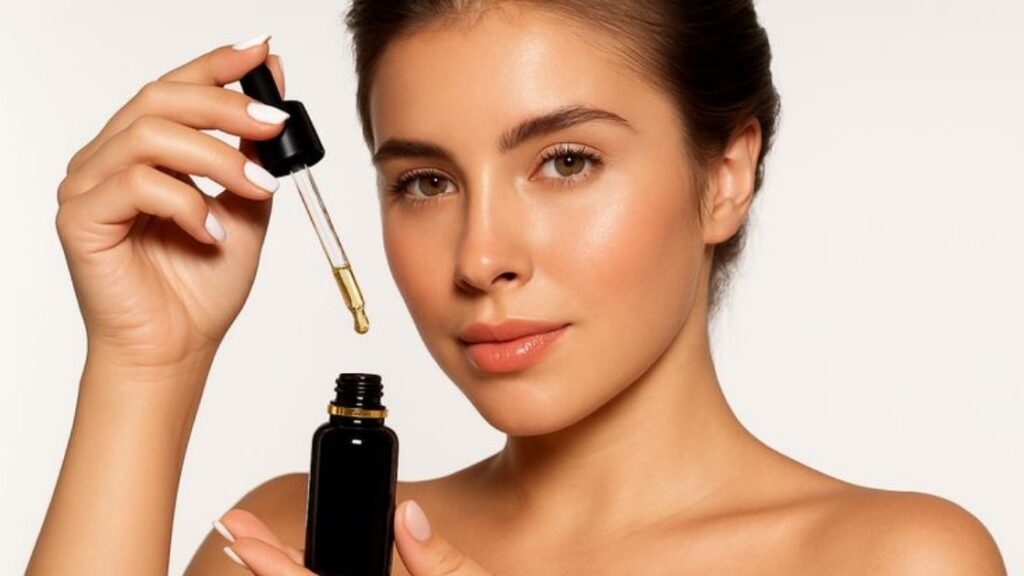
A Dermatologist-Backed Balanced Approach
Most board-certified dermatologists, including experts cited across Harvard Health Publishing educational content, recommend combining both worlds rather than strict loyalty to one camp.
A commonly suggested expert routine looks like this: a gentle plant-based cleanser, a synthetic antioxidant serum in the morning, a mineral sunscreen, and a retinol product at night.
Environmental and Ethical Considerations
The natural vs synthetic skincare discussion also reaches into sustainability and ethics.
Wild-harvested botanicals can strain ecosystems if sourced irresponsibly. Certain synthetic preservatives, meanwhile, raise concerns about marine life impact when they reach waterways.
Look for credible certifications such as USDA Organic, Leaping Bunny, COSMOS, or Ecocert to verify ethical sourcing and cruelty-free practices.
How to Build Your Ideal Routine
Your ideal skincare shelf should mirror your biology, lifestyle, and personal values. Approach the process scientifically rather than emotionally.
Patch-test every new product on your inner forearm for 48 hours before applying it to your face. Introduce one active ingredient at a time so you can pinpoint what works and what doesn’t.
Document your skin’s response through photos and a short journal. If irritation appears, simplify your routine and consult a licensed dermatologist.
Conclusion
The natural vs synthetic skincare decision isn’t really about crowning a winner. It’s about understanding what genuinely serves your skin type, goals, and values.
Natural ingredients bring gentleness, sustainability, and centuries of tradition. Synthetic formulas deliver precision, stability, and strong clinical backing. A smart routine borrows strengths from both sides.
Ready to refresh your shelf? Review what you’re using tonight, patch-test anything new, and drop your favorite skincare product in the commentsyour experience might guide someone else. Share this guide with a friend who’s still stuck in the clean-versus-science confusion.
Is natural skincare safer than synthetic skincare?
Not automatically. Safety depends on the specific ingredient, your skin type, and the overall formulation. Certain botanicals can cause allergic reactions, while many lab-made actives pass strict toxicology screening.
Can I combine natural vs synthetic skincare products in one routine?
Absolutely, and many dermatologists actively encourage it. Pairing a plant-based cleanser with a synthetic serum often delivers the most balanced, evidence-backed results.
Are synthetic preservatives harmful to skin?
Most FDA-approved preservatives are safe at the low concentrations used in cosmetics. They prevent bacterial contamination that could otherwise cause infections or spoilage.
Which option works better for anti-aging?
Synthetic retinoids hold the strongest clinical evidence for fine lines, texture, and firmness. Plant-based alternatives like bakuchiol show promising early results with less irritation.
How do I identify truly natural skincare products?
Look for third-party certifications such as USDA Organic, Ecocert, or COSMOS on the packaging. Avoid products that rely on vague terms like “pure” or “clean” without ingredient transparency.
Does natural skincare expire faster than synthetic?
Yes, typically. Without synthetic preservatives, botanical products often last six to twelve months after opening, compared to two or more years for most lab-formulated options.