A purifying shampoo for greasy hair is a deep cleansing formula designed to strip away excess sebum, product residue, and environmental grime without leaving your strands dry or brittle. If your hair looks flat and oily just hours after washing, this type of shampoo could be the reset your scalp desperately needs.
Oily hair is one of the most common scalp concerns worldwide. Research published in the International Journal of Trichology indicates that sebum overproduction affects a significant percentage of adults, particularly those with fine or straight hair textures. The good news? The right purifying cleanser can regulate oil without triggering your scalp to produce even more.
This guide breaks down everything you need to know: what causes greasy roots, which ingredients to prioritize, how often to use a clarifying wash, and what separates a truly effective purifying shampoo from one that just markets itself as one. Let’s get into it.
Table of Contents
What Is a Purifying Shampoo for Greasy Hair?
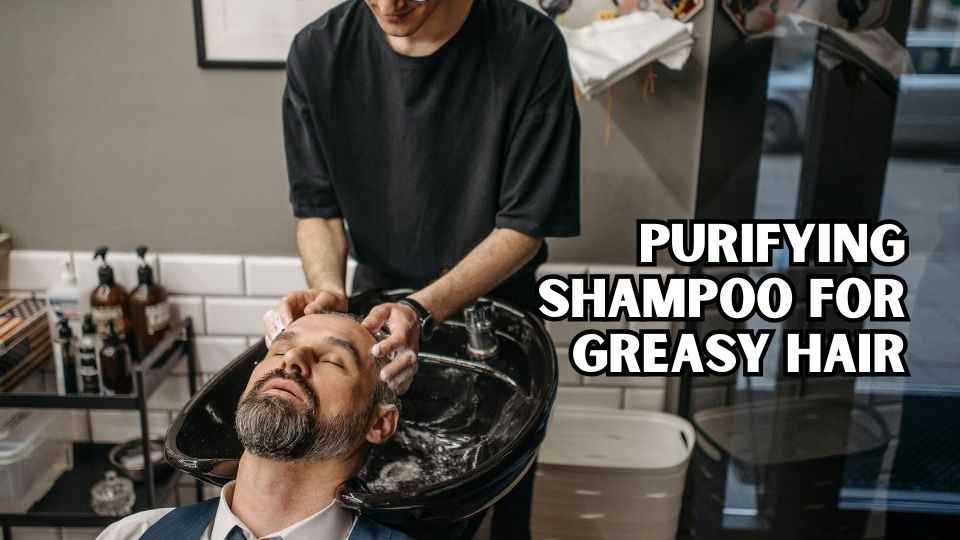
A purifying shampoo for greasy hair is a targeted cleanser that removes excess oil, buildup from styling products, and scalp impurities. Unlike regular shampoos, it penetrates deeper to dissolve stubborn sebum deposits while maintaining the scalp’s natural moisture barrier.
Think of it as a detox treatment for your scalp. Regular shampoos handle surface level dirt, but a purifying formula goes further. It targets the waxy layer of oil that accumulates at hair follicles and along the root area, which is exactly where greasiness becomes most visible.
You might hear terms like “clarifying shampoo,” “detox shampoo,” or “deep cleansing shampoo” used interchangeably. While there are subtle differences, purifying shampoos specifically focus on oil control and scalp health rather than just stripping everything away. The best ones remove grime while preserving essential hydration so your hair does not feel straw like afterward. As noted by HiBAR’s hair science team, a quality purifying formula acts as a reset button for your scalp without the harshness of traditional sulfate heavy cleansers.
Why Does Your Hair Get So Greasy? Common Causes of an Oily Scalp
Understanding the root causes of greasy hair is the first step toward solving it. Your scalp produces oil through tiny sebaceous glands attached to each hair follicle. According to the Cleveland Clinic’s dermatology resource, when those glands produce more sebum than your hair can absorb, the result is that slick, weighed down appearance.
Overactive Sebaceous Glands
Genetics play a major role here. Certain individuals naturally generate higher levels of sebum compared to the average person. Hormonal shifts during puberty, pregnancy, or menstruation can also spike oil production. The American Academy of Dermatology (AAD) notes that hormonal fluctuations are one of the most common triggers behind sudden changes in scalp oiliness. If your parents dealt with oily hair, there is a strong chance you inherited the same overactive glands.
Product Buildup and Environmental Residue
Layering conditioners, serums, leave in treatments, and dry shampoo creates a film on your scalp that traps oil underneath. Over time, this residue clogs pores around the hair follicle and makes your hair appear greasier than it actually is. Environmental pollutants like dust, hard water minerals, and chlorine contribute to this buildup as well.
Washing Habits That Backfire
This is the ironic part. Washing your hair too frequently with harsh sulfate based shampoos can strip your scalp completely of its natural oils. In response, those sebaceous glands go into overdrive and produce even more sebum to compensate. It is a vicious cycle that many people unknowingly feed every single day. According to CNN Underscored’s expert panel of dermatologists and hairstylists, overdoing clarifying washes can actually trigger increased oil production rather than reducing it.
Key Ingredients to Look for in a Purifying Shampoo
The most effective purifying shampoos for oily scalps share a few powerful ingredients. According to board certified dermatologist Dr. Lindsey Zubritsky, as featured in CNN Underscored, ingredients like amino acids and vitamin B6 excel at cleansing oily roots. Here are the top ones backed by hair care professionals:
| Ingredient | What It Does | Best For |
| Salicylic Acid | Exfoliates the scalp, dissolves oil trapped in pores | Oily scalp with flaking or dandruff |
| Tea Tree Oil | Antimicrobial properties, regulates sebum naturally | Greasy hair prone to itchiness |
| Kaolin Clay | Absorbs excess oil without over drying | Fine, limp hair that gets oily fast |
| Charcoal (Activated) | Draws out impurities and toxins from the scalp | Heavy buildup from styling products |
| Apple Cider Vinegar | Balances scalp pH, removes residue gently | All hair types dealing with mild oiliness |
| Zinc Pyrithione | Controls sebum and fights dandruff causing fungi | Oily scalp with dandruff concerns |
| Rosemary Extract | Stimulates circulation, purifies follicles | Thinning, oily hair needing volume |
When scanning labels, also watch out for ingredients you want to avoid. Silicones like dimethicone coat the hair shaft and can trap oil against your scalp. Heavy moisturizing agents such as shea butter or argan oil are great for dry hair but counterproductive when your goal is oil control. As Who What Wear’s 2025 shampoo guide highlights, sulfate free options with plant derived surfactants are becoming increasingly popular for effective yet gentle oil cleansing.
How to Choose the Right Purifying Shampoo for Your Hair Type
Not every purifying shampoo suits every head of hair. The ideal formula depends on your hair texture, thickness, and specific scalp concerns. Choosing the wrong one can leave fine hair feeling stripped or thick hair still weighed down with oil.
| Hair Type | What to Look For | What to Avoid |
| Fine or Thin | Lightweight gel formulas with tea tree or zinc | Heavy creams, silicones, and butters |
| Thick or Coarse | Clay based cleansers with added moisture | Overly stripping sulfate formulas |
| Curly or Wavy | Sulfate free purifying options with ACV | Anything that disrupts curl pattern |
| Color Treated | Gentle chelating shampoos, color safe labels | Strong clarifiers that fade dye quickly |
If your scalp is oily but your ends are dry, focus the purifying shampoo only on your roots and the first two inches of hair. Apply a lightweight conditioner from mid length to tips afterward. This combination approach prevents the common problem of over cleansing your ends while leaving your scalp still greasy.
How Often Should You Use a Purifying Shampoo on Greasy Hair?
Most hair care professionals recommend using a purifying or clarifying shampoo once or twice per week. Daily use can strip your scalp’s protective barrier and trigger a rebound effect where your glands produce even more sebum.
Celebrity hairstylist Dean Banowetz, as quoted in CNN Underscored, suggests following every clarifying wash with a lightweight hydrating conditioner on the mid lengths. This keeps your strands balanced and prevents the dry, crunchy texture that over purifying can cause. Hairstylist Stephens, from the same panel, also notes that a purifying formula is ideal between your more powerful clarifying wash days.
Here is a simple weekly schedule that works for most oily hair types:
- Day 1: Purifying shampoo on roots, lightweight conditioner on ends
- Day 3: Gentle, sulfate free daily shampoo
- Day 5: Co wash or water only rinse (optional for training your scalp)
- Day 7: Repeat the purifying shampoo cycle
Purifying Shampoo vs. Clarifying Shampoo vs. Regular Shampoo
These three terms get tossed around interchangeably, but they serve slightly different purposes. According to hairstylist Adam Federico, as featured by CNN Underscored, clarifying shampoos work like a full scalp detox that breaks down oil, sweat, pollution, and styling products. Purifying formulas, however, are designed for more regular use with gentler ingredients.
| Shampoo Type | Primary Purpose | Usage Frequency |
| Purifying | Oil control and scalp detox with gentle ingredients | 1 to 2 times per week |
| Clarifying | Heavy duty removal of buildup, minerals, and chlorine | Once per week or less |
| Regular | Daily surface cleaning of dirt and light oil | Every wash day |
A good strategy is to rotate between all three. Use your regular shampoo for everyday washes, a purifying shampoo once a week for oil management, and a clarifying shampoo once or twice a month for a deep reset. This rotation prevents your scalp from adapting to any single formula, which can reduce effectiveness over time.
Common Mistakes People Make When Treating Oily Hair
Even with the right shampoo, certain habits can sabotage your results. Here are the biggest mistakes to watch out for:
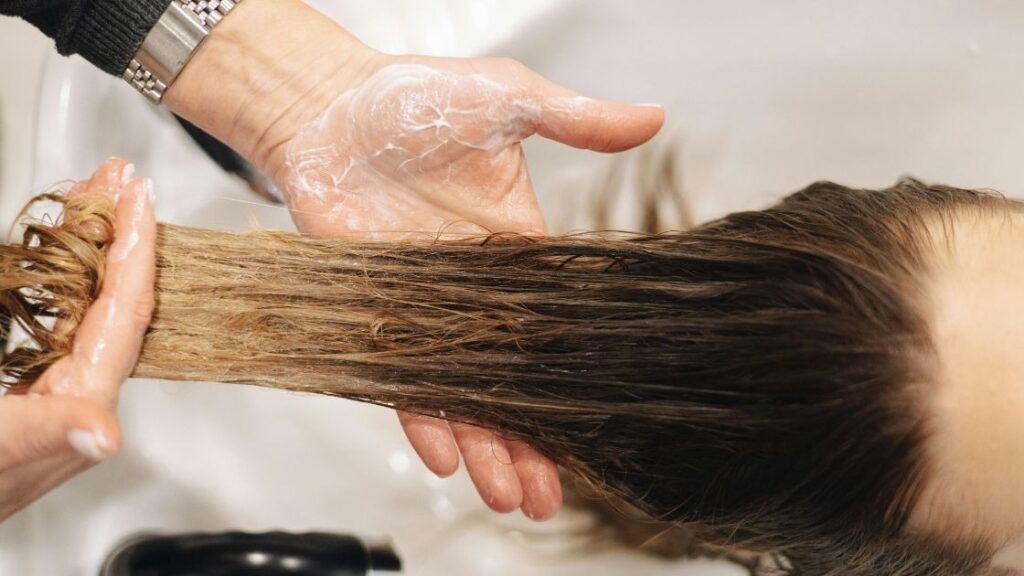
- Skipping conditioner entirely. Many people with greasy hair avoid conditioner altogether. This actually dries out your ends, forcing your scalp to compensate by producing more oil. Condition from mid length to tips instead.
- Using hot water during every wash. Very hot water stimulates your sebaceous glands and causes them to release more oil. Lukewarm water is the sweet spot for rinsing out shampoo without triggering extra sebum.
- Touching your hair constantly throughout the day. Your hands carry natural oils and bacteria. Every time you run your fingers through your hair, you are transferring that oil directly onto your strands.
- Overloading on dry shampoo between washes. Dry shampoo absorbs surface oil temporarily, but it also adds powdery residue that clogs follicles when layered repeatedly. Use it sparingly as a bridge, not as a replacement for washing.
- Applying conditioner or masks on the scalp. Conditioning products belong on the lengths and tips. Rubbing them into your roots coats your scalp with moisture rich ingredients that amplify oiliness.
Topical Range: Additional Areas Addressed
For comprehensive coverage, this article has touched on the following connected subjects:
- Scalp microbiome health and its link to excess oil production
- The role of genetics and hormones in sebum regulation
- Sulfate free versus sulfate containing cleansers for oil control
- Weekly wash routines and scalp training schedules
- Product ingredient labels and what to avoid for greasy hair
- The difference between oily hair, dandruff, and seborrheic dermatitis
Final Takeaway: Take Control of Your Oily Scalp
Greasy hair is not a flaw. It is simply your scalp doing its job a little too enthusiastically. The right purifying shampoo for greasy hair can bring your oil production back into balance without stripping your strands or causing long term dryness.
Focus on choosing a formula with proven ingredients like salicylic acid, tea tree oil, or kaolin clay. Stick to a consistent washing schedule of once or twice per week with your purifying cleanser. Avoid the common pitfalls of over washing, skipping conditioner, and piling on dry shampoo as a permanent fix.
If you found this guide helpful, share it with someone who battles greasy roots every morning. And if you have a go to purifying shampoo that has transformed your hair, drop it in the comments. Your recommendation might be exactly what someone else is looking for.
Frequently Asked Questions
Can I use purifying shampoo every day on greasy hair?
No, daily use of a purifying shampoo is not recommended for most people. These formulas are more concentrated than regular shampoos and can strip your scalp of essential moisture if used too frequently. Stick to once or twice per week and alternate with a mild, gentle cleanser on other wash days.
Does purifying shampoo cause hair loss?
A quality purifying shampoo should not cause hair loss when used correctly. However, overusing harsh clarifying products can weaken hair strands and lead to breakage over time. Always follow up with conditioner and limit deep cleansing washes to the recommended frequency.
Are purifying and clarifying shampoos the same thing?
They are similar but not identical. Purifying shampoos focus on oil control and gentle scalp detox, making them suitable for weekly use. Clarifying shampoos tend to be stronger, designed for heavy duty removal of mineral deposits, chlorine, and stubborn product buildup. Think of purifying as maintenance and clarifying as a monthly deep clean.
Can I use purifying shampoo on color treated hair?
Yes, but choose a sulfate free purifying shampoo labeled as color safe. Harsh sulfates can strip hair dye faster, causing premature fading. Look for gentle formulas with ingredients like apple cider vinegar or kaolin clay, which cleanse oil without attacking color molecules.
What is the best natural ingredient for oily scalp treatment?
Tea tree oil is widely considered one of the most effective natural ingredients for managing oily scalps. Board certified dermatologist Dr. Kristin M. Baird, as cited by CNN Underscored, recommends tea tree based formulas for their ability to invigorate the scalp and remove excess oil naturally. Rosemary extract and apple cider vinegar are also excellent botanical choices.
Should I condition my hair after using a purifying shampoo?
Absolutely. Conditioning after a purifying wash is essential to restore moisture to your lengths and tips. The key is to apply conditioner only from mid length downward and avoid your roots entirely. This approach keeps your scalp fresh while preventing dry, brittle ends.