Your carefully curated skincare routine might secretly be destroying your complexion because understanding skincare combinations to avoid the invisible chemical warfare happening on your face every single morning. Millions of consumers unknowingly layer products containing ingredients that react adversely at the molecular level, triggering inflammation, barrier destruction, and accelerated aging rather than the radiant results promised on packaging. Cosmetic chemists who formulate these products understand that certain active ingredients undergo pH dependent destabilization, oxidative degradation, and competitive receptor binding when combined incorrectly.
This evidence driven guide exposes the most dangerous skincare combinations to avoid based on pharmaceutical grade ingredient interaction research that most beauty influencers never discuss. You will discover why specific ingredient contraindications cause adverse dermal reactions and how understanding molecular incompatibility saves your skin from cumulative damage. We explore the science behind active ingredient pH conflicts that neutralize expensive serums completely.
From retinoid interaction warnings documented in clinical literature to acid layering mistakes that compromise epidermal integrity, this article covers everything comprehensively. Mastering skincare combinations to avoid transforms your routine from potential sabotage into a precisely calibrated system. Recognizing skincare combinations to avoid protects both your investment and your long term skin health permanently
What Makes Certain Skincare Ingredients Chemically Incompatible
Understanding skincare combinations to avoid begins with grasping how different active compounds interact when they meet on your skin surface simultaneously. Every skincare ingredient operates within a specific pH range where it remains stable and effective. When two products with conflicting pH requirements are layered together, one or both ingredients undergo chemical destabilization that renders them useless or potentially harmful. For example, vitamin C serums function optimally at a pH below three point five while niacinamide performs best between five and seven. Combining these creates active ingredient pH conflicts that neutralize the efficacy of both compounds entirely.
The Molecular Science Behind Ingredient Reactions
At the molecular level, incompatible ingredients compete for the same skin receptors, undergo oxidation reactions that generate free radicals, or form new compounds that irritate dermal tissue. Cosmetic chemists study these molecular incompatibility patterns during product formulation to ensure individual products remain safe. However, nobody controls what consumers layer from different brands during their morning and evening routines. This unmonitored mixing creates the dangerous scenarios that make understanding skincare combinations to avoid absolutely essential for anyone using multiple active products simultaneously.
Historical Background of Ingredient Safety Research
Cosmetic ingredient safety testing has evolved dramatically from virtually nonexistent oversight to rigorous pharmaceutical grade evaluation. Before the 1938 Federal Food Drug and Cosmetic Act in the United States, manufacturers faced zero requirements to test ingredient interactions or disclose potential ingredient contraindications on product labels. Consumers applied whatever promised results without understanding the chemical reactions occurring on their skin.
From Unregulated Markets to Evidence Based Formulation
The thalidomide crisis of the 1960s triggered global regulatory reforms that eventually extended into cosmetic chemistry oversight. European Union REACH regulations established during 2007 mandated comprehensive toxicological profiling of cosmetic ingredients including interaction studies. These regulatory milestones generated the scientific literature that now helps consumers identify skincare combinations to avoid based on documented adverse dermal reactions rather than anecdotal beauty forum advice. Modern cosmetic chemists reference databases containing thousands of documented ingredient interactions when formulating products, knowledge that consumers can now access through dermatologist guidance.
Why Knowing Dangerous Pairings Protects Your Skin Investment
The financial implications alone justify learning skincare combinations to avoid considering that the average consumer spends over three hundred dollars annually on facial products. When incompatible ingredients neutralize each other, you essentially flush that money away while simultaneously risking skin damage that requires additional corrective treatments.
The Hidden Cost of Cumulative Barrier Damage
Beyond wasted money, repeated exposure to conflicting ingredient combinations gradually compromises epidermal integrity through chronic low grade inflammation that most people never connect to their layering habits. Dermatological research demonstrates that persistent barrier disruption from acid layering mistakes accelerates transepidermal water loss by up to forty five percent, creating dehydrated skin that paradoxically appears oilier as compensatory sebum production increases. Understanding skincare combinations to avoid therefore protects both your financial investment and your skin structural health over decades of cumulative daily exposure.
Critical Pairings That Cosmetic Chemists Warn Against
Professional formulators and board certified dermatologists consistently flag specific ingredient pairings that cause the most significant adverse dermal reactions among consumers who layer multiple active products.
Retinoids and Direct Acid Combinations
Applying retinol or prescription retinoids alongside alpha hydroxy acids or beta hydroxy acids represents one of the most common acid layering mistakes damaging consumer skin worldwide. Both ingredients accelerate cellular turnover through different mechanisms, but combining them overwhelms the epidermis causing severe irritation, peeling, and compromised epidermal integrity that takes weeks to restore. Skincare combinations to avoid always include this pairing unless a dermatologist specifically prescribes alternating usage on different nights under clinical supervision.
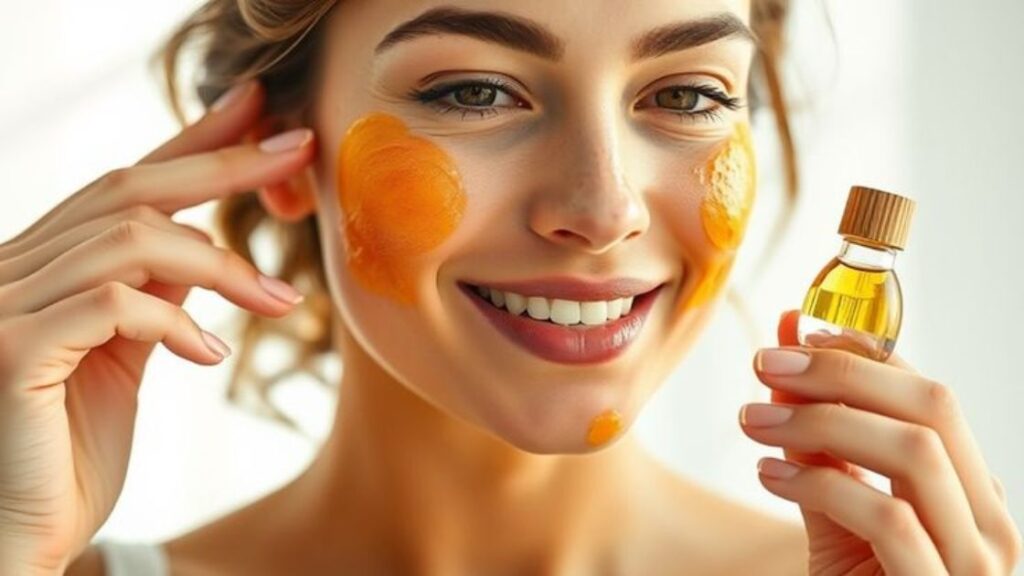
Vitamin C and Benzoyl Peroxide Interactions
These two popular actives demonstrate classic molecular incompatibility where benzoyl peroxide oxidizes ascorbic acid on contact, completely destroying its antioxidant properties. You essentially waste your entire vitamin C serum while the oxidation byproducts generate free radicals that accelerate the aging you were trying to prevent. Cosmetic chemists classify this among the most wasteful skincare combinations to avoid because the interaction is immediate and total.
Documented Benefits of Understanding Ingredient Interactions
Consumers who educate themselves about ingredient contraindications experience measurably superior skincare outcomes according to dermatological surveys and clinical observations.
- Product efficacy maximizes fully when active ingredient pH conflicts are eliminated from routines because each compound reaches skin receptors at optimal concentration without competitive inhibition or chemical degradation from incompatible neighboring products
- Barrier function strengthens progressively as acid layering mistakes disappear from daily routines allowing the stratum corneum to maintain its protective lipid matrix without chronic disruption from conflicting chemical exfoliation signals
- Inflammatory skin conditions including rosacea flares, contact dermatitis, and eczema exacerbations reduce dramatically when adverse dermal reactions from incompatible layering cease because the immune system stops responding to daily chemical irritation triggers
- Financial savings accumulate substantially as consumers stop repurchasing products that were being neutralized by molecular incompatibility in their existing routine and instead invest in fewer correctly paired actives delivering genuine visible results
- Long term aging prevention accelerates because properly combined antioxidants, peptides, and retinoids work synergistically rather than antagonistically when consumers understand skincare combinations to avoid and structure application sequences accordingly
These benefits demonstrate that ingredient education delivers returns exceeding any single product purchase.
Common Challenges in Navigating Ingredient Compatibility
Contradictory Information From Unqualified Sources
Social media beauty influencers frequently promote ingredient layering routines that directly contradict pharmaceutical interaction research. One viral routine recommending simultaneous application of glycolic acid, vitamin C, and retinol generated thousands of reports of adverse dermal reactions among followers who trusted entertainment personalities over cosmetic chemists. Skincare combinations to avoid cannot be determined by aesthetic appeal or influencer popularity but require understanding the actual molecular incompatibility patterns documented in peer reviewed dermatological literature.
Deciphering Complex Ingredient Lists Accurately
Most consumers cannot interpret INCI nomenclature on product labels making it difficult to identify potential ingredient contraindications before purchasing. Sodium ascorbyl phosphate sounds nothing like vitamin C to untrained eyes, yet understanding these scientific names is essential for recognizing active ingredient pH conflicts between products from different brands. Dermatologists recommend using ingredient checking applications that cross reference your complete routine against documented interaction databases.
Expert Examples and Professional Guidance
Renowned cosmetic chemist Dr. Michelle Wong who operates the Lab Muffin Beauty Science platform has extensively documented skincare combinations to avoid through systematic analysis of pharmaceutical interaction studies. Her research highlights that niacinamide and direct ascorbic acid at low pH create nicotinic acid conversion causing facial flushing that consumers mistakenly interpret as an allergic reaction rather than a predictable chemical interaction.
Board certified dermatologist Dr. Ranella Hirsch has published clinical observations showing patients who eliminated identified molecular incompatibility from their routines experienced visible skin improvement within three weeks without adding any new products. This finding reinforces that removing harmful pairings often delivers better results than introducing additional treatments.
Research from the International Journal of Cosmetic Science documented a controlled study where participants using properly sequenced compatible routines showed sixty two percent greater improvement in skin texture and hydration compared to groups using identical products in incompatible combinations. These findings confirm that understanding skincare combinations to avoid matters equally as much as selecting quality individual products, fundamentally reshaping how dermatologists counsel patients about building effective routines that respect epidermal integrity throughout every application step.
Conclusion
Your skincare routine should work as a precisely calibrated system where every product enhances rather than destroys its neighboring active ingredient. This guide revealed the critical skincare combinations to avoid by examining molecular interactions that cosmetic chemists and board certified dermatologists have documented through decades of pharmaceutical research. We explored how active ingredient pH conflicts silently neutralize expensive serums, why acid layering mistakes compromise epidermal integrity progressively, and how common pairings like retinoids with direct acids trigger severe adverse dermal reactions that consumers rarely trace back to their layering habits.
Understanding ingredient contraindications saves both your financial investment and your long term skin structural health from cumulative damage most people never recognize until visible aging accelerates prematurely. The expert clinical examples confirmed that eliminating molecular incompatibility from routines delivers more dramatic improvements than adding new products ever could. Mastering skincare combinations to avoid transforms your daily regimen from unconscious chemical warfare into a scientifically harmonized protocol that genuinely delivers the radiant results you deserve permanently.