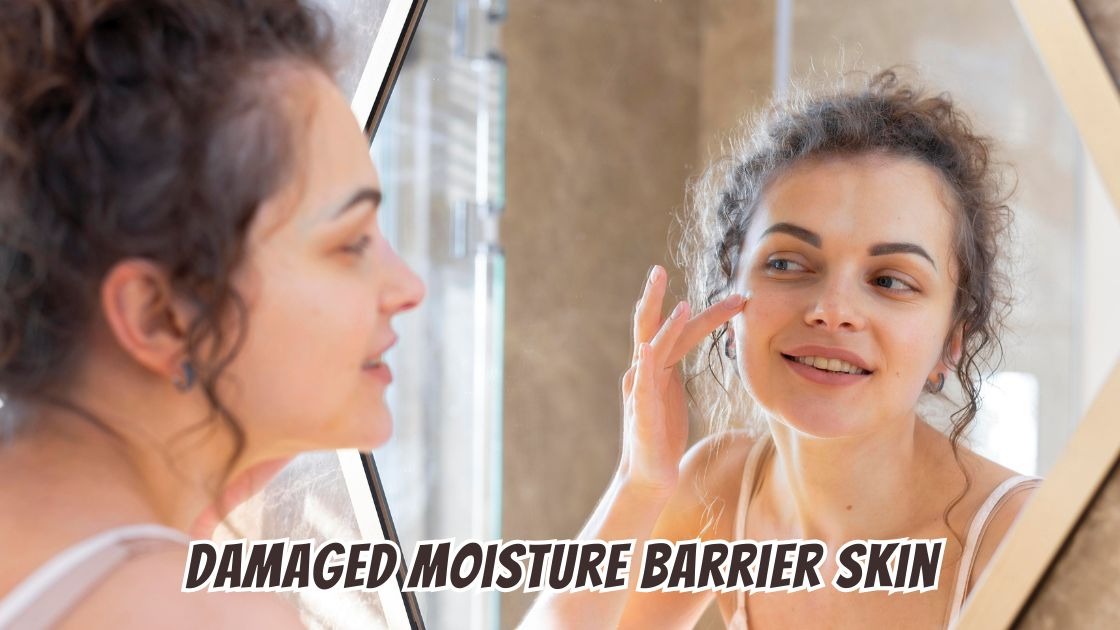
Damaged moisture barrier skin is one of the most common yet overlooked skincare concerns affecting millions worldwide. When your skin’s protective layer becomes compromised, it loses its ability to retain hydration and defend against environmental stressors.
In this comprehensive guide, you’ll discover the telltale signs of barrier damage, understand what causes this frustrating condition, and learn proven strategies to restore your skin’s health. We’ll explore gentle skincare routines, effective hydrating ingredients, and lifestyle changes that promote skin barrier repair. Whether you’re dealing with dehydrated skin, persistent redness, or increased sensitivity, this article provides everything you need to rebuild a strong, resilient complexion and prevent future damage.
What Is the Skin Moisture Barrier?
Your skin’s moisture barrier, also known as the stratum corneum, serves as your body’s first line of defense against the outside world. Think of it as a protective shield made of skin cells held together by lipids, ceramides, and fatty acids. This barrier keeps essential hydration locked inside while blocking harmful irritants, bacteria, and pollutants from penetrating deeper layers.
When functioning properly, your skin looks plump, smooth, and naturally radiant. However, damaged moisture barrier skin disrupts this delicate balance, leading to a cascade of frustrating symptoms that can take weeks or even months to resolve without proper care.
Signs and Symptoms of Barrier Damage
How to Identify Compromised Skin
Recognizing damaged moisture barrier skin early makes recovery much faster. Your skin sends clear signals when something is wrong, and paying attention to these symptoms is essential for timely recovery.
- Persistent tightness and discomfort even after moisturizing
- Increased sensitivity to products that previously worked fine
- Visible redness, flakiness, or rough texture patches
- Unusual oiliness as skin overcompensates for lost moisture
- Stinging or burning sensation when applying skincare products
When Symptoms Become Severe
In advanced cases, barrier dysfunction can lead to chronic conditions like eczema flare ups, contact dermatitis, or persistent acne breakouts. The skin becomes increasingly reactive, making it difficult to use even basic skincare products without irritation.
Common Causes of Moisture Barrier Damage
Understanding what harms your protective layer helps prevent future problems. Damaged moisture barrier skin rarely happens overnight; it typically results from accumulated stress on your complexion.
Environmental Factors
Harsh weather conditions significantly impact skin health. Cold, dry winter air strips away natural oils, while excessive sun exposure degrades the barrier over time. Air pollution and indoor heating systems also contribute to moisture loss and barrier weakening.
Lifestyle and Skincare Mistakes
Over exfoliation remains one of the biggest culprits behind compromised skin barriers. Using too many active ingredients simultaneously, such as combining retinoids, AHAs, and vitamin C without proper spacing, overwhelms the skin’s ability to repair itself.
Hot showers, harsh cleansers with high pH levels, and aggressive physical scrubs further strip away protective lipids. Even stress and poor sleep habits affect your skin’s ability to maintain its defensive function.

How to Repair Damaged Moisture Barrier Skin
Simplify Your Routine
The first step toward healing damaged moisture barrier skin involves dramatically simplifying your skincare regimen. Strip back to absolute basics: a gentle, pH balanced cleanser, a hydrating serum, and a rich moisturizer. Avoid all active ingredients until your barrier fully recovers.
Choose Barrier Repairing Ingredients
Focus on products containing proven barrier repair components:
- Ceramides restore the lipid matrix between skin cells
- Hyaluronic acid draws moisture into dehydrated layers
- Niacinamide strengthens barrier function and reduces inflammation
- Squalane mimics natural skin oils for deep nourishment
- Centella asiatica calms irritation and promotes healing
Protect and Prevent Further Damage
Always apply broad spectrum sunscreen during daytime hours, even when staying indoors. UV rays penetrate windows and continue degrading your already weakened barrier. At night, consider using an occlusive moisturizer containing petrolatum or shea butter to seal in hydration while you sleep.
Recovery Timeline and Expectations
Healing damaged moisture barrier skin requires patience and consistency. Most people notice initial improvements within two to four weeks of following a gentle, barrier focused routine. However, complete restoration typically takes six to twelve weeks depending on damage severity.
During this period, resist the temptation to reintroduce active ingredients too quickly. Your skin may appear healed on the surface while still repairing deeper layers. Rushing back to aggressive products often causes setbacks, prolonging the overall recovery process.
Professional Treatment Options
For severe or persistent barrier damage, consulting a dermatologist provides access to prescription strength treatments. Medical grade ceramide creams, corticosteroid ointments for inflammation, and customized treatment plans accelerate healing when over the counter products prove insufficient.
Conclusion
Restoring damaged moisture barrier skin requires patience, consistency, and a simplified approach to skincare. By identifying early warning signs, eliminating harsh products, and incorporating barrier repairing ingredients like ceramides, hyaluronic acid, and niacinamide, you can rebuild your skin’s protective layer effectively.
Remember that healing takes time, typically six to twelve weeks for complete recovery. Prioritize gentle cleansing, adequate hydration, and daily sun protection to prevent future damage. If symptoms persist, consulting a dermatologist ensures personalized guidance. With proper care, damaged moisture barrier skin can fully recover, leaving you with a healthy, resilient, and radiant complexion once again.