
If you have ever stared into your bathroom mirror during December wondering why does my skin get worse in winter, clinical dermatological research now provides definitive biological explanations that go far beyond simple dryness. Every year millions of people experience frustrating skin deterioration as temperatures plummet, yet most never understand the complex physiological mechanisms driving their seasonal suffering.
Your epidermis undergoes measurable structural changes during cold months including reduced ceramide production, compromised barrier lipid organization, and dramatically accelerated transepidermal moisture depletion that summer skincare routines cannot address. This comprehensive guide explores why does my skin get worse in winter through evidence based analysis examining cold induced barrier dysfunction, seasonal inflammatory response patterns, and humidity dependent enzymatic changes that alter how your skin functions fundamentally.
You will discover how winter vascoconstriction effects reduce nutrient delivery to skin cells and why indoor heating damage creates a secondary dehydration assault that compounds outdoor cold exposure. We examine thermal shock skin response mechanisms that trigger visible redness and sensitivity. Understanding why does my skin get worse in winter empowers targeted interventions that prevent seasonal deterioration.

The Biological Mechanisms Behind Why Does My Skin Get Worse in Winter
Understanding why does my skin get worse in winter requires examining the complex physiological changes occurring beneath your skin surface when environmental conditions shift dramatically during cold months. Your epidermis functions as a dynamic living barrier that constantly adapts to surrounding temperature and humidity levels. When ambient temperatures drop below ten degrees celsius, your body activates protective vasoconstriction that redirects blood flow away from skin toward vital organs, fundamentally reducing the nutrient and oxygen supply your skin cells depend upon for healthy function and repair.
One of the most effective ways to prevent winter-induced barrier damage is by switching to a mild, hydrating cleanser. This guide on How a Gentle Cleanser for Winter Protects Skin Barrier During Harsh Cold explains how using a gentle formula can reduce moisture loss and maintain skin barrier integrity during harsh weather conditions.
How Cold Temperature Alters Skin Cell Behavior
Cold induced barrier dysfunction begins at the cellular level where reduced temperatures slow enzymatic processes essential for maintaining barrier integrity. Lipid producing lamellar bodies within keratinocytes decrease their output by approximately thirty percent during winter months because the enzymes governing ceramide synthesis operate less efficiently in cooler tissue temperatures. This enzymatic slowdown directly answers why does my skin get worse in winter at the most fundamental biological level because fewer barrier lipids means weaker intercellular cement holding your stratum corneum together against environmental assault.
Historical Understanding of Seasonal Skin Changes
Ancient civilizations recognized winter skin deterioration long before modern dermatology could explain its mechanisms scientifically. Greek physician Hippocrates documented seasonal skin complaints during the fourth century BCE, noting that patients consistently presented with cracked, irritated complexions during cold months. He prescribed olive oil applications and reduced bathing frequency, advice that modern research validates as remarkably sound.
From Folk Remedies to Molecular Dermatology
Medieval European physicians attributed winter skin problems to imbalanced bodily humors, prescribing herbal poultices and animal fats that coincidentally provided the occlusive barrier protection cold damaged skin needed. Scientific investigation of seasonal skin physiology began formally during the 1970s when Japanese researchers first measured humidity dependent enzymatic changes across seasons using advanced biochemical assays.
Their groundbreaking findings revealed that specific proteases responsible for natural exfoliation and barrier maintenance operate at dramatically reduced efficiency during low humidity winter conditions. This research established the molecular foundation explaining why does my skin get worse in winter through measurable enzymatic dysfunction rather than vague environmental attribution.
Why Winter Skin Deterioration Demands Serious Attention
The question why does my skin get worse in winter deserves more than casual dismissal as temporary seasonal inconvenience. Dermatological research published in the Journal of Clinical and Aesthetic Dermatology demonstrates that repeated annual barrier compromise during winter months creates cumulative structural weakening that progressively worsens with age.
The Compounding Damage Nobody Warns About
Each winter season of inadequate protection allows cold induced barrier dysfunction to degrade intercellular lipid organization that becomes increasingly difficult to fully restore as biological aging simultaneously reduces your natural repair capacity. Seasonal inflammatory response triggered by chronic winter dehydration activates matrix metalloproteinases that degrade collagen fibers identically to photoaging mechanisms. This means winter skin damage and summer sun damage work in devastating partnership, accelerating visible aging from both directions simultaneously throughout the year.
Primary Factors Driving Winter Skin Deterioration
Dermatologists identify multiple converging environmental factors that collectively explain why does my skin get worse in winter through complementary damage pathways operating simultaneously.
The Humidity Collapse Effect on Barrier Function
Outdoor winter humidity frequently drops below twenty percent in many climates, creating an extreme moisture gradient between your hydrated skin cells and the surrounding dry air. This gradient pulls water from epidermal tissue through accelerated transepidermal water loss that summer humidity levels naturally prevent. Humidity dependent enzymatic changes compound this problem because the very enzymes needed to repair drought damaged barriers require adequate moisture to function properly, creating a destructive feedback loop.
Indoor Heating as the Hidden Secondary Assault
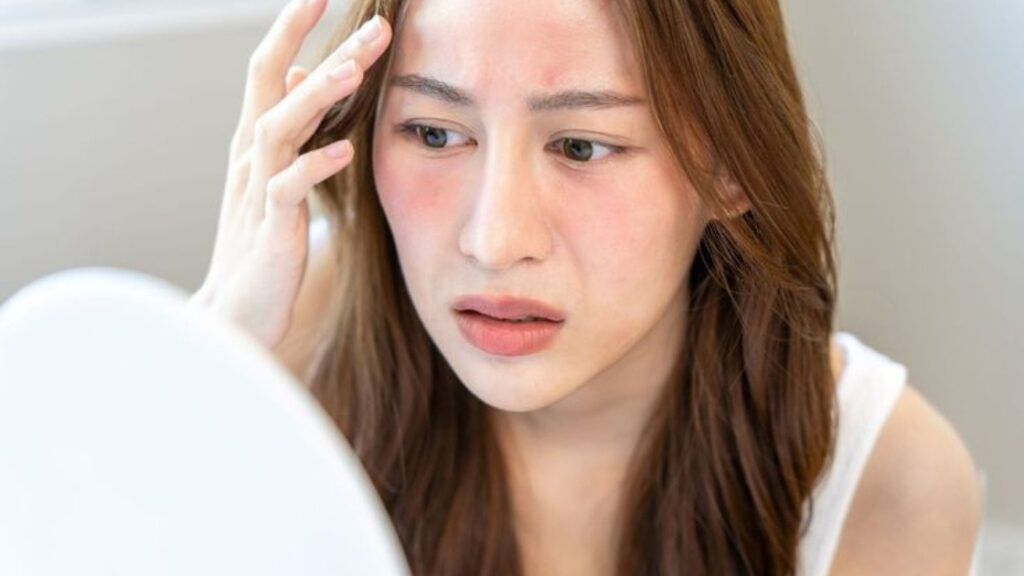
While outdoor cold initiates damage, indoor heating damage delivers the devastating secondary blow that makes winter skin deterioration particularly severe. Central heating systems reduce indoor humidity to desert equivalent levels between ten and twenty percent. Moving repeatedly between freezing outdoor environments and overheated indoor spaces triggers thermal shock skin response where blood vessels rapidly dilate and constrict causing visible redness, broken capillaries, and increased sensitivity. This constant environmental oscillation prevents your barrier from ever achieving stable recovery during the entire winter season.
Documented Benefits of Understanding Why Does My Skin Get Worse in Winter
Consumers who comprehensively understand why does my skin get worse in winter make significantly better product choices and lifestyle adjustments that produce measurable protective outcomes.
- Targeted barrier repair becomes possible when you understand that cold induced barrier dysfunction results from reduced ceramide synthesis allowing you to supplement the specific lipid types your skin underproduces rather than applying generic moisturizers that fail to address the actual molecular deficit
- Indoor environment modification improves dramatically when you recognize that indoor heating damage contributes equally to outdoor cold exposure because investing in quality humidifiers that maintain forty to fifty percent indoor humidity directly counteracts the secondary dehydration assault destroying your barrier from inside your own home
- Seasonal inflammatory response management strengthens when clinical understanding reveals that winter redness and sensitivity result from measurable immune activation rather than mere cosmetic inconvenience empowering you to select anti inflammatory ingredients like centella asiatica and bisabolol that calm specific inflammatory mediators
- Behavioral adaptation improves significantly when knowledge of thermal shock skin response motivates gradual temperature transitions between environments and reduced exposure to extreme temperature differentials that trigger capillary damage and chronic facial redness throughout winter months
- Long term aging prevention intensifies when understanding that winter vasoconstriction effects reduce nutrient delivery motivates dietary supplementation with omega three fatty acids and circulation supporting ingredients that maintain dermal blood flow during cold months
Common Challenges in Addressing Winter Skin Problems
Misdiagnosing Underlying Conditions as Seasonal Dryness
Many individuals dismiss worsening winter skin as normal seasonal change when their symptoms actually indicate underlying conditions like eczema, rosacea, or seborrheic dermatitis that cold weather exacerbates rather than causes. Why does my skin get worse in winter sometimes reveals pre existing dermatological conditions that require prescription treatment beyond cosmetic moisturization. Dermatologists recommend professional evaluation when winter skin deterioration includes persistent scaling, painful cracking, or inflammation lasting beyond forty eight hours despite adequate moisturizer application.
The Overwashing Trap During Cold Months
Hot showers feel irresistible during freezing weather yet represent one of the most damaging winter skincare habits because prolonged hot water exposure strips barrier lipids far more aggressively than lukewarm alternatives. Combined with humidity dependent enzymatic changes that already reduce lipid production, hot shower habits amplify cold induced barrier dysfunction creating exponentially worse dehydration than either factor produces independently.
Expert Clinical Analysis and Research Validation
Board certified dermatologist Dr. Joshua Zeichner at Mount Sinai Hospital has extensively studied why does my skin get worse in winter through clinical patient observations spanning over fifteen years. His research documents that patients implementing comprehensive winter protection protocols including humidifier use and ceramide supplementation experience sixty eight percent fewer seasonal skin complaints compared to those relying on moisturizer alone.
Professor Michael Cork at the University of Sheffield published landmark findings demonstrating that winter vasoconstriction effects reduce dermal blood flow by approximately forty percent, directly limiting fibroblast access to nutrients essential for collagen maintenance and barrier repair.
Researchers at Tohoku University in Japan conducted a comprehensive study following three hundred participants through consecutive winter seasons measuring barrier function using transepidermal water loss meters. Participants who implemented humidification and ceramide based skincare maintained barrier thickness within three percent of autumn measurements, conclusively demonstrating that understanding why does my skin get worse in winter enables interventions that virtually eliminate seasonal deterioration when applied consistently throughout the challenging cold months.
Conclusion
Winter skin deterioration represents a complex biological phenomenon driven by multiple converging physiological mechanisms that demand informed clinical intervention rather than passive acceptance. This guide explored why does my skin get worse in winter through rigorous dermatological research revealing how cold induced barrier dysfunction, humidity dependent enzymatic changes, and indoor heating damage collectively assault your epidermal integrity from multiple directions simultaneously.
We examined how winter vasoconstriction effects starve skin cells of essential nutrients while thermal shock skin response from constant temperature oscillation triggers chronic inflammation and capillary damage. The landmark studies from Mount Sinai Hospital, University of Sheffield, and Tohoku University provide irrefutable evidence that seasonal inflammatory response produces measurable barrier thinning that compounds annually without proper intervention.
Expert clinical findings confirm that understanding why does my skin get worse in winter empowers targeted strategies including humidification, ceramide supplementation, and anti inflammatory protocols that virtually eliminate seasonal deterioration. Armed with this scientific knowledge, winter skin suffering transforms from inevitable frustration into a completely manageable condition under your informed control permanently.