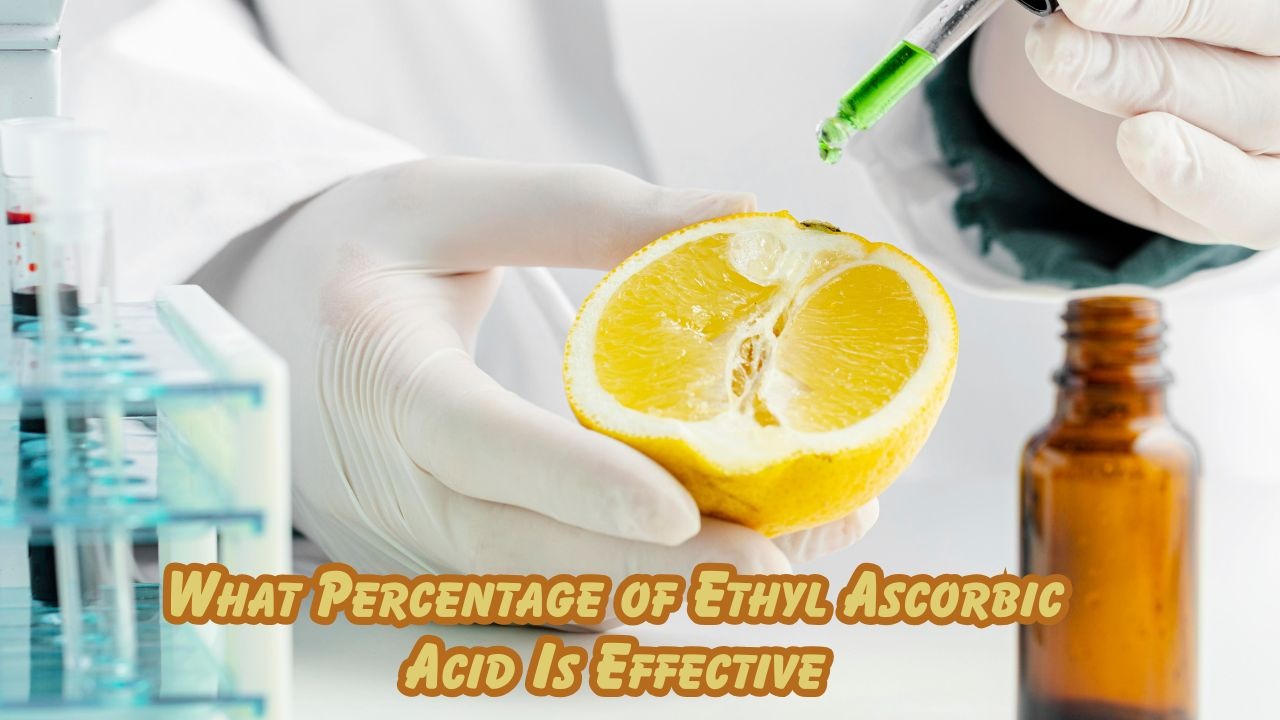
If you’ve been exploring vitamin C serums, you’ve likely wondered what percentage of ethyl ascorbic acid is effective for visible results. This stable vitamin C derivative has gained massive popularity in skincare for its ability to penetrate the skin without oxidizing quickly. Unlike pure ascorbic acid, ethyl ascorbic acid offers gentler yet powerful benefits for skin brightening and anti-aging. But choosing the right concentration matters too little won’t deliver results, while too much may irritate sensitive skin.
In this comprehensive guide, we’ll explore the ideal concentration ranges, how this ingredient targets hyperpigmentation, and how to incorporate it into your skincare routine. Whether you’re a beginner or a seasoned enthusiast, understanding the effective percentage will help you achieve a radiant, even-toned complexion.
Understanding Ethyl Ascorbic Acid and Its Role in Skincare
Ethyl ascorbic acid is a water-soluble vitamin C derivative that has revolutionized modern skincare formulations. Unlike L-ascorbic acid, which oxidizes rapidly when exposed to light and air, this stable form maintains its potency for longer periods. The compound works by converting into active vitamin C once absorbed into the skin, delivering antioxidant protection and promoting collagen synthesis. When exploring what percentage of ethyl ascorbic acid is effective, understanding its unique properties helps you make informed decisions about your skincare investments.
How Ethyl Ascorbic Acid Works on Your Skin
This derivative penetrates the skin barrier more efficiently than many other vitamin C forms. Once inside the skin cells, enzymes break down ethyl ascorbic acid into pure ascorbic acid, which then performs its brightening and protective functions. The conversion process ensures gradual release, reducing the likelihood of irritation while maintaining effectiveness. This mechanism makes it particularly suitable for those with sensitive skin who cannot tolerate stronger formulations.
The Ideal Concentration Range for Maximum Results
Determining what percentage of ethyl ascorbic acid is effective depends on your skin type, concerns, and tolerance level. Research and dermatological recommendations suggest specific ranges for optimal outcomes.
Recommended Percentages for Different Skin Types
Normal to oily skin typically responds well to concentrations between 2% and 5%. This range provides noticeable skin brightening benefits without overwhelming the skin’s natural balance. For dry or mature skin, percentages ranging from 1% to 3% offer gentler yet effective results, supporting anti-aging benefits while maintaining hydration levels.
What Science Says About Effective Concentrations
Clinical studies indicate that concentrations as low as 1% can inhibit melanin production, while 3% to 5% delivers more pronounced effects on dark spots and uneven tone. When asking what percentage of ethyl ascorbic acid is effective for serious hyperpigmentation concerns, most experts recommend the 3% to 5% range for visible improvement within 8 to 12 weeks.
Factors That Influence Effectiveness
Several elements determine how well your chosen concentration will perform:
- Product formulation and pH levels significantly impact absorption rates
- Storage conditions affect stability even with this stable derivative
- Application frequency determines cumulative benefits over time
- Complementary ingredients like vitamin E and ferulic acid enhance efficacy
- Individual skin chemistry influences how quickly you see results
Benefits of Using the Right Percentage
Selecting the correct concentration ensures you experience the full spectrum of advantages this ingredient offers. Understanding what percentage of ethyl ascorbic acid is effective for your specific needs maximizes your investment in quality skincare.
Primary Advantages for Your Complexion
The properly dosed formulation delivers free radical protection against environmental stressors like pollution and UV damage. It actively reduces hyperpigmentation by inhibiting tyrosinase, the enzyme responsible for excess melanin production. Additionally, consistent use stimulates collagen production, improving skin firmness and reducing fine lines over time.
Comparison with Other Vitamin C Derivatives
Unlike ascorbyl glucoside or magnesium ascorbyl phosphate, ethyl ascorbic acid offers superior stability without sacrificing penetration ability. It remains effective at a neutral pH, whereas pure ascorbic acid requires acidic formulations that can irritate sensitive complexions. This balance makes it an excellent middle ground for those seeking potent results with minimal risk.
Tips for Incorporating Ethyl Ascorbic Acid Into Your Routine
Maximizing results requires proper application techniques and product pairing strategies.
Best Practices for Application
- Apply to cleansed, slightly damp skin for enhanced absorption
- Use during your morning routine before sunscreen application
- Layer under hyaluronic acid serums for added hydration benefits
- Start with lower concentrations and gradually increase
- Keep your products away from heat and sunlight to preserve their effectiveness
What to Avoid When Using This Ingredient
Combining ethyl ascorbic acid with benzoyl peroxide or retinoids in the same routine may cause irritation. Allow adequate time between applications or use them at different times of day. Always perform a patch test before introducing new concentrations to your regimen, especially if you have reactive skin.
Final Recommendations for Choosing Your Product
When selecting formulations, prioritize products with concentrations matching your skin’s tolerance level. For beginners wondering what percentage of ethyl ascorbic acid is effective as a starting point, 2% offers a safe introduction. Experienced users targeting stubborn dark spots or seeking intensive antioxidant benefits may prefer 5% formulations for accelerated results.
Conclusion
Understanding what percentage of ethyl ascorbic acid is effective empowers you to make smarter skincare choices. As we’ve explored, concentrations between 1% and 5% deliver meaningful results depending on your skin type and specific concerns. This stable vitamin C derivative offers remarkable benefits for skin brightening, collagen production, and hyperpigmentation reduction without the irritation associated with pure ascorbic acid.
By starting with lower percentages and gradually increasing based on tolerance, you can safely achieve a radiant, even-toned complexion. Remember, consistency matters more than concentration alone. Knowing what percentage of ethyl ascorbic acid is effective for your unique needs ensures lasting, visible improvements in your skin’s health and appearance.