
A wet detangler naturally curly hair routine can transform your wash day from a frustrating battle into a smooth, painless experience. If you’ve ever dreaded running a comb through your coils, you’re not alone curly-haired individuals spend significant time and money finding the right solutions for their unique texture.
This comprehensive guide covers everything you need to know about detangling your curls the right way. You’ll discover the best detangling techniques, learn which wide-tooth comb and detangling brush options work best, and explore how leave-in conditioner products create the slip your strands need. We’ll also share tips for reducing breakage and maintaining healthy curls between wash days. Whether you have loose waves or tight coils, these expert strategies will help you achieve softer, more manageable hair without the tears.

Understanding the Wet Detangler Naturally Curly Hair Method
The unique structure of curly hair makes it far more susceptible to tangles compared to straight hair. Each curl creates opportunities for strands to wrap around each other, forming knots that can be difficult to remove. The wet detangler naturally curly approach works because water softens the hair shaft and allows products to create slip between strands.
Related Article: Curly Hair Mistakes: Textured Hair Specialists Expose Curl Pattern Destroying Habits
When hair is saturated with moisture, the cuticle layer becomes more flexible. This flexibility means you can work through tangles without snapping or breaking your precious strands. Adding a conditioning product amplifies this effect by coating each hair with lubricating ingredients.
Why Curly Hair Tangles More Easily
The shape of curly hair creates natural friction points where strands intersect. Unlike straight hair that lies flat, textured hair coils and bends in multiple directions. These bends act like velcro, catching neighboring strands and forming knots.
Environmental factors also play a role. Dry climates, wind exposure, and friction from clothing or pillowcases contribute to tangling. Understanding these causes helps you prevent knots before they form.
Essential Tools for Tangle Free Curls
Choosing the right tools makes a significant difference in your detangling experience. The wrong brush or comb can cause unnecessary breakage and damage your curl pattern.
Best Brushes and Combs for Curly Hair
- Wide tooth comb options remain a classic choice because the spacing allows thick curls to pass through without snagging
- Flexible bristle brushes bend with your curls instead of pulling against them
- Detangling brush varieties with specially designed tips glide through knots gently
Your fingers also serve as excellent detangling tools. Finger detangling allows you to feel exactly where knots are located and work them out carefully without excessive force.
Products That Create Slip
The secret to painless detangling lies in products that create slip between your strands. Look for formulas containing ingredients like coconut oil, shea butter, and aloe vera. These natural components coat the hair and allow tangles to slide apart easily.
Leave in conditioner products work exceptionally well for this purpose. Apply generously to damp hair and watch how much easier your comb glides through each section.
Step by Step Wet Detangler Naturally Curly Routine
Following a consistent routine ensures you remove all tangles while minimizing damage. This process works for all curl types, from loose waves to tight coils.
Preparation Phase
Start by sectioning your hair into manageable parts. Most people find that four to eight sections work well, depending on hair thickness. Secure each section with clips to keep them separated while you work.
Thoroughly saturate your hair with warm water. Cold water doesn’t open the cuticle as effectively, making detangling harder.
The Detangling Process
- Apply a generous amount of slippery conditioner to one section
- Use your fingers first to gently separate major tangles
- Follow with a wide tooth comb or brush, starting from the ends
- Work slowly upward toward your roots, never rushing through knots
- Repeat for each section until your entire head is tangle free
This wet detangler naturally curly technique prevents the breakage that occurs when you start at the roots and pull downward.
Preventing Breakage and Maintaining Healthy Curls
Prevention is easier than repair when it comes to hair care for curls. Implementing protective measures between wash days keeps tangles manageable.
Nighttime Protection Strategies
Sleeping on a satin pillowcase reduces friction that causes overnight tangling. Another option is wrapping your hair in a silk or satin scarf before going to sleep. Some people prefer loose braids or twists to keep their curls organized while they sleep.
Moisture Maintenance Tips
Deep conditioning treatments restore hydration and strengthen your strands. Aim for weekly treatments if your hair tends toward dryness. Well moisturized hair tangles less and responds better to wet detangler naturally curly methods.
Stay away from products with harsh sulfates as they remove the natural oils from your hair. Sulfate free shampoo options clean effectively without causing excessive dryness.
Common Mistakes to Avoid
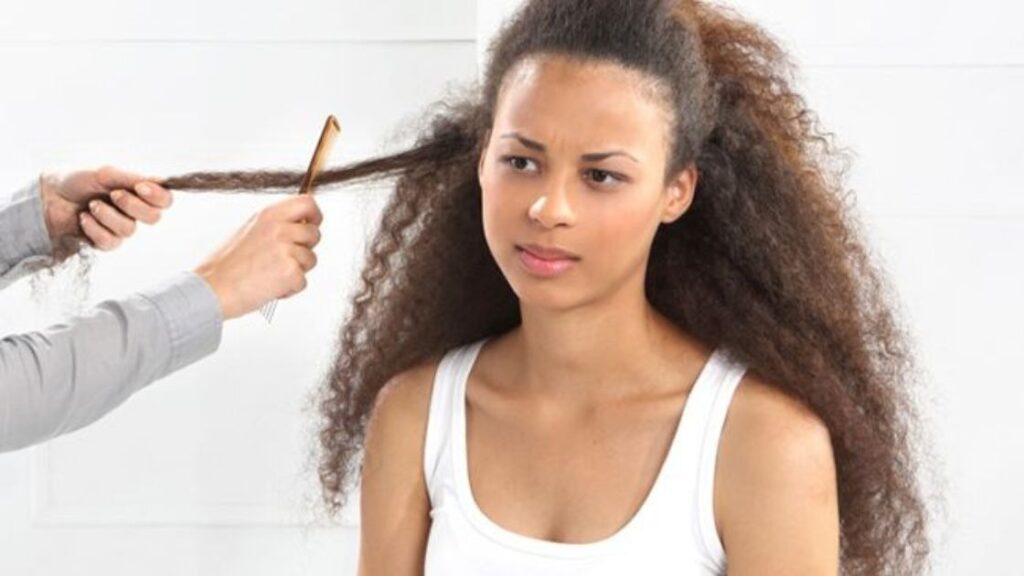
Many people unknowingly damage their curls through improper detangling habits. Rushing through the process tops the list of mistakes. Taking your time prevents unnecessary breakage.
Using the wrong tools also causes problems. Synthetic bristle brushes with ball tips can snag and break fragile curls. Additionally, detangling completely dry hair without any product creates friction that leads to damage.
Conclusion
Mastering the wet detangler naturally curly hair routine transforms wash day from a dreaded chore into a manageable process. By using the right tools like a wide tooth comb and flexible bristle brush, combined with slip enhancing products, you can work through knots without causing damage. Remember to always start from the ends and work upward, section your hair properly, and never rush through tangles. Protecting your curls at night with satin accessories and maintaining consistent moisture levels keeps your strands healthy between washes. With patience and the right technique, achieving soft, defined curls becomes effortless.