
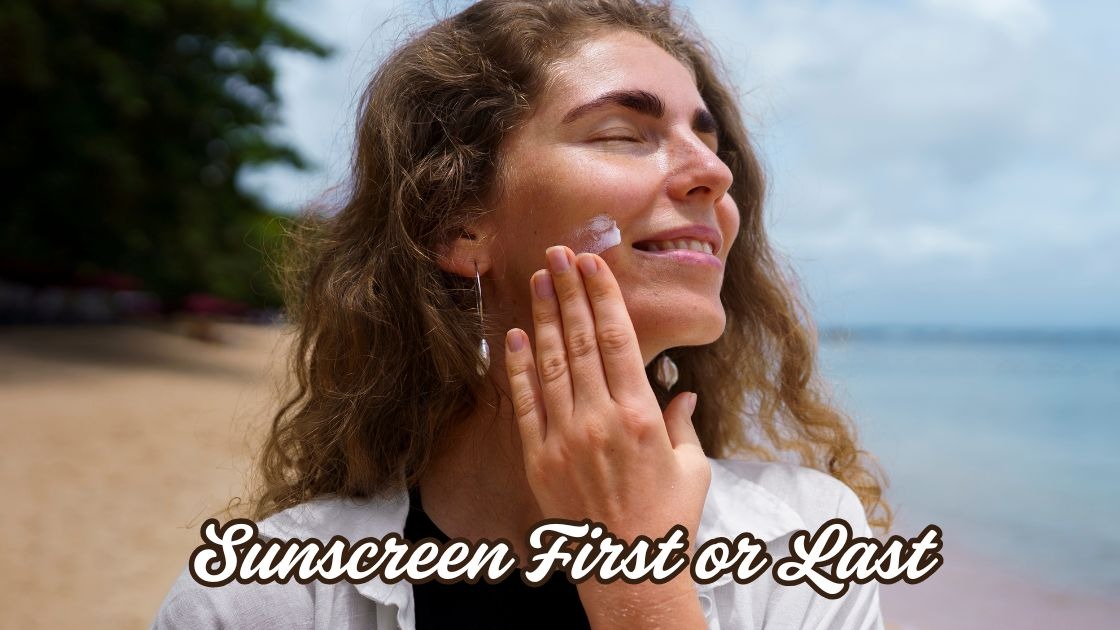
Should you apply sunscreen first or last in your skincare routine? This common question confuses millions of beauty enthusiasts who want maximum UV protection without compromising their other products. Getting the application order wrong can significantly reduce your sun defense and leave your skin vulnerable to damage.
In this comprehensive guide, you’ll discover exactly where sunscreen belongs in your daily regimen. We’ll explore the differences between mineral sunscreen and chemical sunscreen formulas, explain proper skincare layering techniques, and reveal expert tips for achieving flawless SPF application. Whether you’re a minimalist or follow an elaborate morning routine, understanding the correct order ensures your products work effectively together. Let’s clear up this confusion for good.
Understanding the Basics of Skincare Layering
The concept of layering skincare products dates back centuries, but modern dermatology has refined it into a science. Your skin absorbs products differently based on their molecular weight and formulation type.
Think of your face as a canvas that needs proper preparation. Each product serves a specific purpose, and applying them correctly maximizes their effectiveness. When products compete for absorption, neither works optimally.
Related Article: When to Apply Sunscreen in Skincare Routine: Scientific Insights on Absorption and Performance
The general rule follows a simple principle: apply from thinnest to thickest consistency. However, sunscreen first or last depends entirely on the type of formula you choose.
Why Product Order Matters for Your Skin
Incorrect layering creates several problems that compromise your skincare investment:
- Reduced absorption of active ingredients
- Product pilling and flaking throughout the day
- Diminished sun protection effectiveness
- Wasted money on products that cannot penetrate properly
Your skin has limited absorption capacity. When heavier products block lighter ones, those expensive serums never reach deeper skin layers where they perform best.
Mineral Sunscreen vs Chemical Sunscreen: Different Rules Apply
Understanding your sunscreen type determines exactly where it belongs in your routine. These two categories work through entirely different mechanisms.
How Physical Sunscreens Protect Your Skin
Mineral formulas contain zinc oxide or titanium dioxide. These ingredients sit on top of your skin and physically deflect UV rays away from your face.
Because they create a protective barrier rather than absorbing into skin, physical sunscreen should be your final skincare step. Apply it after moisturizer has fully absorbed. This allows the minerals to form an uninterrupted shield against sun damage.
Many dermatologists prefer mineral options for sensitive skin types. They rarely cause irritation and start working immediately upon application.
The Chemical Sunscreen Exception
Chemical formulas require a completely different approach. Ingredients like avobenzone and oxybenzone must absorb into your skin to filter UV radiation effectively.
For sunscreen first or last with chemical formulas, apply before moisturizer on clean skin. This ensures proper penetration without barriers blocking absorption. Wait two to three minutes before adding your moisturizer on top.
Some experts recommend applying chemical sunscreen as your very first morning step, even before serums. This controversial approach prioritizes maximum absorption over traditional layering rules.
The Correct Morning Skincare Routine Order
Follow this sequence for optimal results with mineral sunscreen:
- Cleanser to remove overnight buildup
- Toner or essence for hydration preparation
- Vitamin C serum for antioxidant protection
- Eye cream for delicate under eye areas
- Moisturizer to lock in hydration
- Sunscreen as your final protective layer
For chemical sunscreen users, simply swap steps five and six. Your moisturizer becomes the final step instead.
Timing Between Skincare Steps
Patience dramatically improves your results. Allow each product thirty seconds to one minute of absorption time before applying the next layer.
SPF application requires extra attention. Wait until your moisturizer feels completely dry before adding sunscreen. This prevents dilution and ensures even coverage across your face.
Rushing through your routine causes products to mix on the surface rather than absorbing properly. Those extra few minutes make a significant difference.

Common Mistakes That Reduce Sun Protection
Even when you understand sunscreen first or last placement, other errors can compromise your defense:
Using insufficient amounts remains the biggest problem. Most people apply only twenty five to fifty percent of the recommended quantity. Use approximately half a teaspoon for face and neck coverage.
Skipping reapplication negates morning efforts. Sunscreen breaks down after two hours of sun exposure regardless of initial application quality.
Mixing with makeup immediately can disturb the sunscreen layer. Wait at least five minutes before applying foundation or primer over your SPF protection.
Moisturizer with SPF: A Convenient Alternative
Combination products offer simplicity for those who dislike multiple steps. These formulas provide hydration and broad spectrum protection simultaneously.
However, they work best for indoor days with minimal sun exposure. Choose products offering at least SPF 30 with broad spectrum coverage against both UVA and UVB rays.
For beach days or extended outdoor activities, dedicated sunscreen remains the superior choice. Moisturizer SPF combinations typically provide lighter coverage than standalone formulas.
The debate around sunscreen first or last ultimately depends on your specific products and lifestyle needs. Understanding these principles empowers you to customize your routine for maximum protection and skincare benefits.
Conclusion
Mastering the correct skincare routine order transforms your daily regimen from guesswork into an effective protection strategy. Remember that mineral sunscreen belongs as your final step after moisturizer, while chemical formulas require application before hydrating products.
The key takeaway is simple: understanding your sunscreen type determines proper placement. Combined with adequate application amounts and regular reapplication, you’ll achieve optimal UV protection throughout the day.
Start implementing these layering techniques tomorrow morning. Your skin will thank you with better product performance, enhanced sun defense, and a healthier complexion for years to come.