
A sun spot on skin is one of the most common concerns people face as they age or after years of sun exposure. These harmless yet frustrating marks, also known as age spots or liver spots, develop when melanin clusters in certain areas due to prolonged UV damage. While they don’t pose health risks, many people seek ways to fade or prevent them for cosmetic reasons.
In this comprehensive guide, you’ll discover the main causes behind skin discoloration, effective prevention strategies, and proven treatment options ranging from natural remedies to professional procedures. Whether you’re dealing with existing spots or hoping to protect your skin, this article covers everything you need to know.
Understanding Sun Spot on Skin
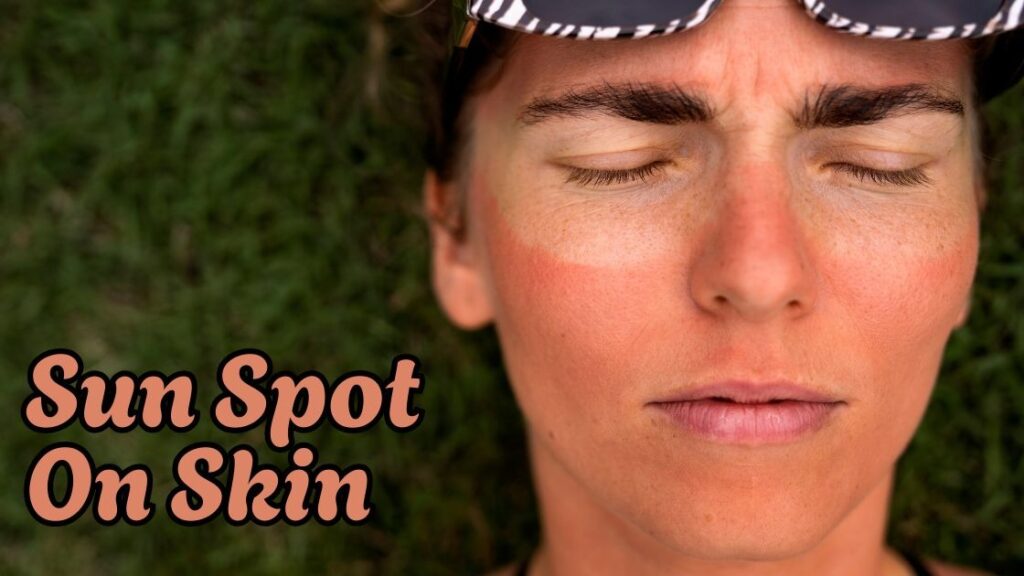
A sun spot on skin refers to flat, oval areas of increased pigmentation that typically appear on body parts most exposed to sunlight. These spots range from light brown to dark brown and vary in size from a small freckle to over half an inch in diameter. Unlike freckles, they don’t fade during winter months and tend to become more prominent with age.
The medical term for these marks is solar lentigines, and they commonly develop on the face, hands, shoulders, and arms. While completely benign, understanding their nature helps you make informed decisions about skincare and treatment options.
What Causes Sun Spot on Skin
UV Radiation Exposure
The primary cause of a sun spot on skin is prolonged exposure to ultraviolet rays. When your skin absorbs UV light, it triggers melanocytes to produce excess melanin as a protective response. Over time, this melanin accumulates in concentrated areas, creating visible dark patches.
Age and Skin Type
People over 40 are more susceptible to developing these spots, though younger individuals with extensive sun exposure can also experience them. Those with fair skin face higher risks because they have less natural protection against UV damage. Genetics also play a role in determining how your skin responds to sun exposure.
Tanning Beds and Artificial UV
Using tanning beds significantly increases your chances of developing pigmentation issues. The concentrated UV exposure from artificial sources accelerates melanin production and causes cumulative damage that manifests as spots years later.
Types of Hyperpigmentation to Know
Understanding different types of skin discoloration helps distinguish a sun spot on skin from other conditions.
- Solar lentigines appear as uniform brown spots caused directly by sun damage
- Melasma presents as larger patches often triggered by hormonal changes
- Post inflammatory hyperpigmentation develops after acne or skin injuries
- Freckles are genetic and typically fade without sun exposure
- Seborrheic keratoses are raised growths that differ from flat sun spots
Each type requires different treatment approaches, making proper identification essential before starting any skincare regimen.
Effective Prevention Strategies
Daily Sun Protection
Preventing a sun spot on skin starts with consistent SPF protection. Wearing broad spectrum sunscreen with at least SPF 30 every day, even during cloudy weather, significantly reduces your risk. Reapply every two hours when outdoors for extended periods.
Protective Clothing and Accessories
Beyond sunscreen, physical barriers offer excellent protection. Wide brimmed hats, UV blocking sunglasses, and long sleeved clothing create additional defense against harmful rays. Seeking shade during peak sun hours between 10 AM and 4 PM also minimizes exposure.
Treatment Options That Work
Topical Treatments
Several over the counter products effectively fade existing spots when used consistently. Look for ingredients like hydroquinone, retinoids, vitamin C, and glycolic acid. These compounds work by inhibiting melanin production and accelerating cell turnover for brighter, more even toned skin.
Professional Procedures
For stubborn spots, dermatologists offer advanced treatments that deliver faster results.
- Laser therapy targets pigmented cells without damaging surrounding tissue
- Chemical peels remove outer skin layers to reveal fresher skin beneath
- Microdermabrasion gently exfoliates and improves overall texture
- Cryotherapy freezes spots using liquid nitrogen
- Intense pulsed light therapy breaks down excess melanin clusters
Consulting a board certified dermatologist ensures you receive appropriate treatment based on your skin type and spot severity.
Natural Remedies
Some people prefer gentler approaches for addressing a sun spot on skin. Aloe vera, lemon juice, apple cider vinegar, and green tea extract show promising results in fading mild discoloration. However, these methods require patience and consistent application over several months.
When to See a Doctor
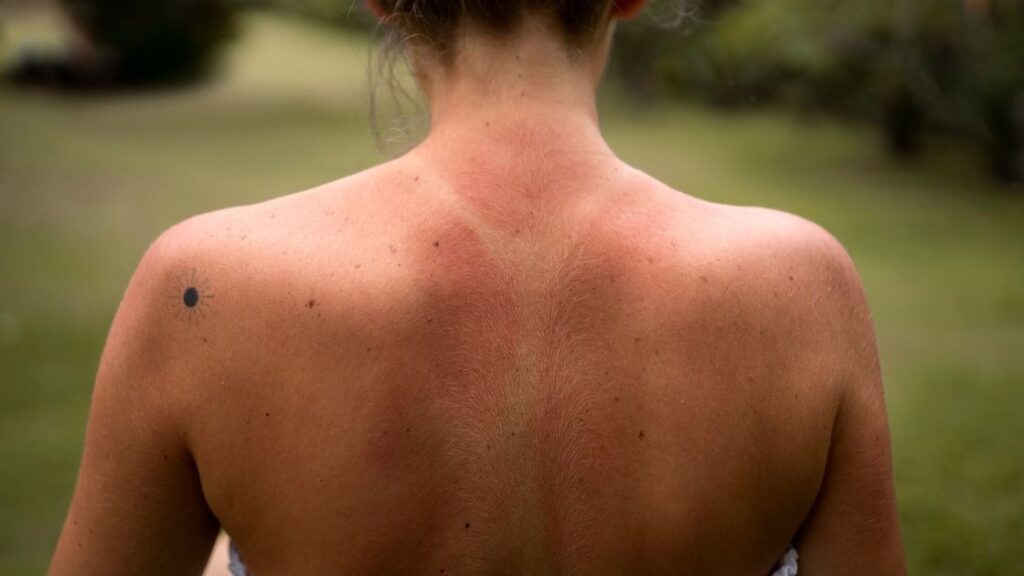
While most spots are harmless, certain changes warrant professional evaluation. If you notice a spot that changes color, grows rapidly, has irregular borders, or bleeds, schedule an appointment immediately. These could indicate skin cancer rather than simple sun damage, and early detection is crucial for successful treatment.
Conclusion
A sun spot on skin may be a common cosmetic concern, but it’s entirely manageable with the right approach. By understanding the causes, primarily UV exposure and aging, you can take proactive steps toward prevention and treatment. Consistent use of SPF protection, protective clothing, and effective topical treatments makes a significant difference in maintaining clear, healthy skin.
Whether you choose natural remedies or professional procedures like laser therapy, patience and consistency are key. Remember to monitor any changes in your spots and consult a dermatologist if concerns arise. Protecting your skin today ensures a brighter, spot free complexion for years to come.