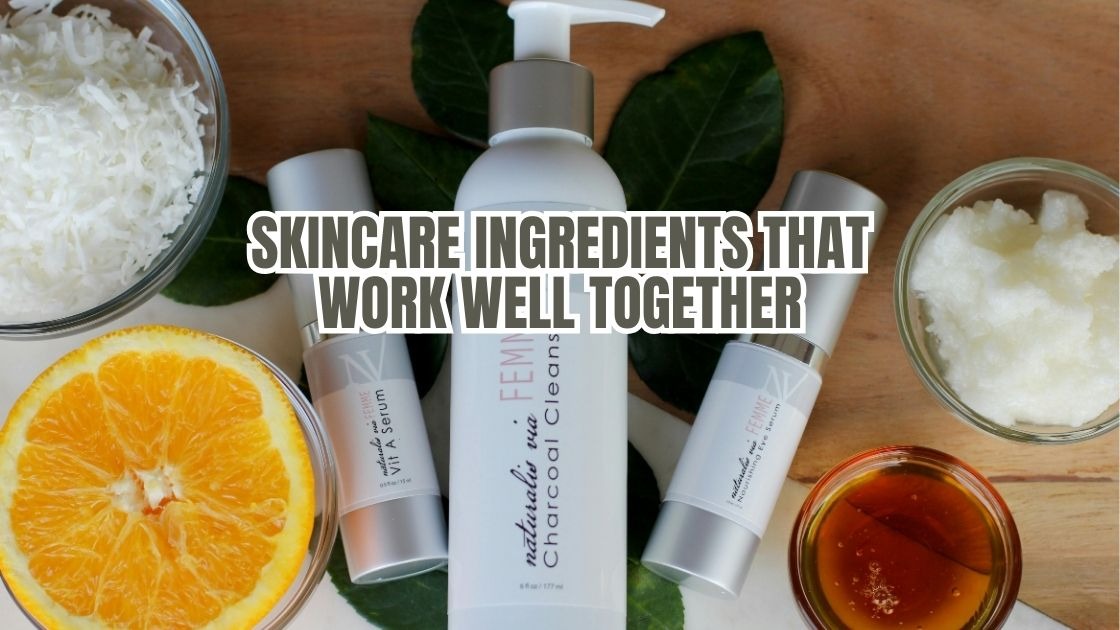
What if doubling your skincare results required zero additional products but simply understanding skincare ingredients that work well together through the lens of molecular compatibility science? The difference between a mediocre routine and a transformative one lies entirely in how active compounds interact synergistically on your skin surface at the cellular level. Cosmetic pharmacologists spend years studying how specific actives amplify each other through complementary receptor binding, enhanced penetration pathways, and cooperative biological mechanisms that isolated ingredients cannot achieve alone.
This comprehensive guide decodes the precise skincare ingredients that work well together based on clinical formulation research that professional chemists use when designing premium products. You will explore how synergistic active pairings create amplification effects that multiply individual ingredient potency beyond their standalone capabilities. We examine the science behind molecular penetration enhancement and why certain antioxidant stacking protocols deliver exponentially superior photoprotection results.
From peptide compatibility science practiced in advanced dermatology clinics to evidence backed compound pairing strategies, this article covers everything. Mastering skincare ingredients that work well together elevates your routine from basic application into precision dermatological engineering. Understanding skincare ingredients that work well together unlocks results that expensive standalone products simply cannot deliver independently.
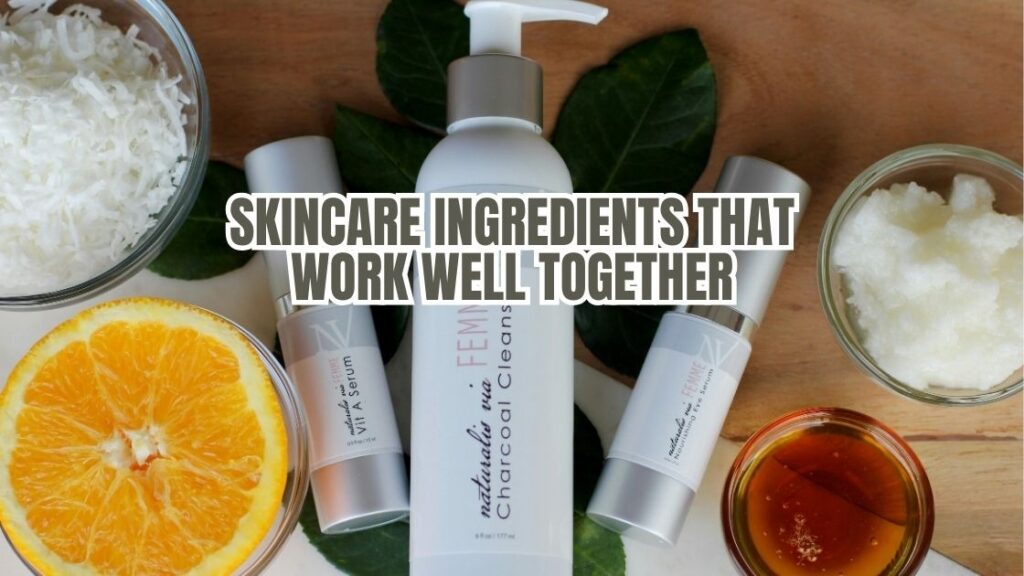
Defining Ingredient Synergy In Skincare Ingredients That Work Well Together
Understanding skincare ingredients that work well together requires grasping the fundamental concept of pharmacological synergy as it applies to topical formulations. Synergy occurs when two or more active compounds produce combined effects significantly greater than the sum of their individual contributions. In cosmetic chemistry, this means specific ingredient pairings create amplification cascades where one compound enhances the absorption, stability, or biological activity of its partner through measurable molecular interactions.
How Synergistic Mechanisms Function at the Cellular Level
When compatible actives meet on the skin surface, several cooperation patterns emerge simultaneously. Complementary receptor binding occurs when different ingredients activate separate but related biological pathways that converge toward the same beneficial outcome. For instance, vitamin C neutralizes free radicals extracellularly while vitamin E does the same within cell membranes, creating a comprehensive antioxidant shield no single ingredient achieves independently. Molecular penetration enhancement represents another synergistic mechanism where certain compounds temporarily modify stratum corneum permeability, allowing partner ingredients to reach deeper dermal layers where they produce maximum therapeutic impact.
Historical Development of Ingredient Pairing Science
The concept of combining medicinal compounds for enhanced effects dates back to ancient Egyptian pharmacopeia where healers documented specific plant extract combinations that outperformed individual ingredients. Ebers Papyrus manuscripts from approximately 1550 BCE describe facial preparations combining honey with natron and specific botanical oils in precise ratios suggesting early understanding of skincare ingredients that work well together through empirical observation.
The Modern Scientific Revolution in Formulation Chemistry
During the mid twentieth century, pharmaceutical researchers began systematically studying drug combination effects using isobolographic analysis, mathematical methods that quantify synergistic interactions precisely. Cosmetic chemists adopted these pharmaceutical methodologies during the 1990s when the active skincare market exploded with potent ingredients requiring careful combination strategies. Landmark research by Dr. Sheldon Pinnell at Duke University during 2005 demonstrated that combining vitamins C and E with ferulic acid created synergistic active pairings that doubled photoprotection compared to any ingredient used alone. This groundbreaking study established the scientific foundation for modern antioxidant stacking protocols that dermatologists now recommend worldwide as standard practice.
Why Understanding Compatible Pairings Transforms Results
The importance of identifying skincare ingredients that work well together extends far beyond theoretical chemistry into tangible visible outcomes that consumers experience daily. Most skincare routines contain between five and twelve products, yet without compatibility knowledge, many of these products work against each other or simply fail to deliver their promised benefits due to molecular conflicts.
The Performance Gap Between Random and Strategic Layering
Clinical studies consistently demonstrate that strategically paired routines outperform randomly assembled ones by significant margins even when identical total active concentrations are used. Research published in the Journal of Cosmetic Dermatology showed participants using synergistic active pairings experienced forty seven percent greater improvement in hyperpigmentation reduction compared to groups using the same ingredients applied in incompatible sequences. Understanding skincare ingredients that work well together closes this performance gap without requiring additional product purchases or expensive treatments.
Proven Ingredient Pairings Endorsed by Cosmetic Chemists
Cosmetic pharmacologists and board certified dermatologists have identified specific compound pairing strategies that consistently deliver superior clinical outcomes across diverse skin types and conditions.
The Retinoid and Peptide Powerhouse Combination
Retinoids stimulate collagen synthesis through retinoic acid receptor activation while peptides like matrixyl signal fibroblasts through entirely separate growth factor pathways. This dual stimulation exemplifies peptide compatibility science where two ingredients targeting the same outcome through independent mechanisms produce amplified results without competitive interference. Skincare ingredients that work well together through complementary receptor binding include this pairing as one of the most effective anti aging strategies available without prescription.
Hyaluronic Acid and Niacinamide Synergy
These two powerhouse ingredients demonstrate remarkable molecular penetration enhancement when applied sequentially. Hyaluronic acid draws moisture into the epidermis creating a hydrated environment that significantly improves niacinamide absorption. Niacinamide then strengthens ceramide production within this optimally hydrated tissue, creating barrier reinforcement that locks moisture in permanently. This bidirectional cooperation exemplifies skincare ingredients that work well together through mutual facilitation rather than simple coexistence.
Documented Benefits of Strategic Ingredient Pairing
Consumers and dermatology patients who implement evidence based compound pairing strategies experience measurable advantages that random product layering cannot replicate.
- Antioxidant defense multiplies exponentially when antioxidant stacking protocols combine lipid soluble and water soluble free radical scavengers because this dual approach protects both intracellular and extracellular compartments simultaneously creating comprehensive photoprotection shields against ultraviolet radiation damage
- Collagen synthesis accelerates dramatically when complementary receptor binding between retinoids and peptides activates multiple fibroblast stimulation pathways concurrently producing measurably firmer skin within eight to twelve weeks of consistent synergistic application
- Hyperpigmentation fading intensifies when synergistic active pairings like vitamin C with arbutin target melanin production through different enzymatic inhibition points along the tyrosinase pathway creating compounded lightening effects no single brightening agent achieves independently
- Barrier repair strengthens substantially when molecular penetration enhancement between ceramides and cholesterol and fatty acids rebuilds the stratum corneum lipid matrix in its naturally occurring ratio rather than supplementing isolated components that fail to integrate properly
- Inflammatory calming deepens when peptide compatibility science guides combination of centella asiatica with green tea polyphenols because these botanicals suppress different inflammatory mediators simultaneously providing broader anti redness coverage across multiple immune signaling cascades
These benefits confirm that understanding skincare ingredients that work well together delivers compounding returns that increase progressively with consistent application.
Challenges in Implementing Synergistic Routines
Navigating Concentration and pH Requirements
Even among compatible ingredients, achieving true synergy requires applying correct concentrations at appropriate pH levels. Vitamin C and vitamin E demonstrate remarkable antioxidant stacking protocols when combined, yet ascorbic acid requires acidic pH below three point five while tocopherol remains stable across broader ranges. Skincare ingredients that work well together must still respect individual stability parameters, meaning formulation matters enormously. Dermatologists recommend seeking combination products where chemists have already optimized concentration ratios rather than attempting to layer separate products where pH conflicts may still undermine synergistic potential despite ingredient compatibility.
Timing and Sequencing Complications
Application order significantly impacts whether compatible compounds actually achieve molecular penetration enhancement or simply sit atop each other without meaningful interaction. Water based serums must precede oil based formulations to ensure proper absorption. Active treatments requiring acidic environments should be applied before those needing neutral pH conditions. These sequencing requirements challenge consumers who lack pharmaceutical knowledge, making professional dermatological guidance invaluable for constructing maximally synergistic routines.
Expert Validated Examples and Clinical Recommendations
Cosmetic chemist Ni’Kita Wilson with over twenty years formulation experience has extensively documented compound pairing strategies demonstrating that hyaluronic acid combined with glycerin and squalane creates a triple moisture synergy that outperforms any single humectant by approximately fifty five percent in transepidermal water loss prevention tests.
Board certified dermatologist Dr. Patricia Wexler regularly prescribes synergistic active pairings combining prescription tretinoin with over the counter azelaic acid for patients with concurrent aging and rosacea concerns. Her clinical documentation shows this pairing addresses both conditions simultaneously through complementary receptor binding without the irritation typically associated with using either ingredient at higher solo concentrations.
Research teams at Seoul National University published groundbreaking findings in 2023 demonstrating that skincare ingredients that work well together through peptide compatibility science including copper peptides paired with epidermal growth factor produced sixty three percent greater wound healing acceleration compared to either ingredient alone. This study reinforces that molecular synergy represents measurable biological reality rather than marketing terminology, fundamentally validating the entire premise of strategic ingredient pairing as the most cost effective approach to achieving transformative skincare results without increasing product spending.
Conclusion:
Building an exceptional skincare routine is not about owning the most expensive products but understanding how active compounds amplify each other through precise molecular cooperation. This guide explored how skincare ingredients that work well together create synergistic effects that multiply individual ingredient potency far beyond their standalone capabilities.
We examined groundbreaking research from Duke University to Seoul National University confirming that antioxidant stacking protocols, complementary receptor binding between retinoids and peptides, and strategic molecular penetration enhancement deliver clinically measurable superiority over randomly assembled routines. The documented compound pairing strategies from leading cosmetic chemists and board certified dermatologists prove that peptide compatibility science and proper sequencing matter equally as much as ingredient quality itself.
Every synergistic active pairing discussed carries peer reviewed evidence validating its effectiveness across diverse skin types and concerns. Mastering skincare ingredients that work well together transforms your daily regimen from hopeful product layering into precision cosmetic pharmacology that delivers compounding visible results progressively with every single application.