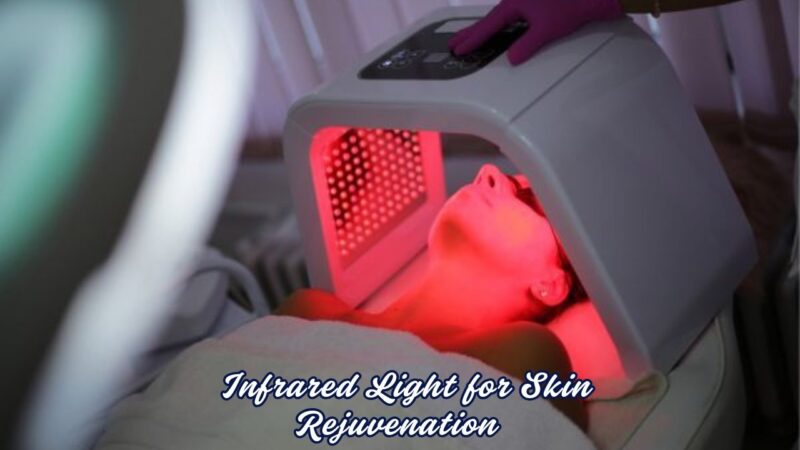
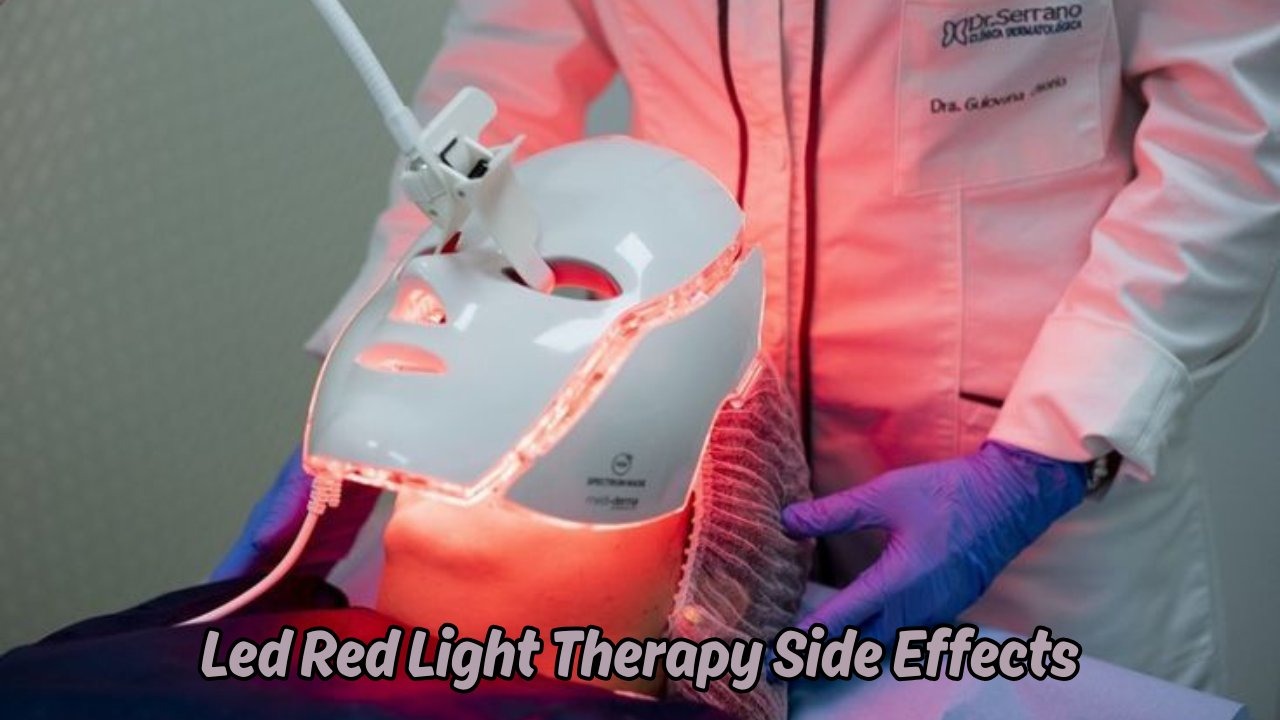
Understanding led red light therapy side effects is essential before starting any phototherapy treatment. While this non-invasive therapy has gained tremendous popularity for skin rejuvenation, pain relief, and wound healing, it’s not entirely without concerns.
This comprehensive guide will explore everything you need to know about possible adverse reactions, from mild skin sensitivity to more serious complications. We’ll examine who should avoid this treatment, how to minimize risks, and what warning signs to watch for during sessions. Whether you’re using professional equipment or at-home devices, being informed helps you make safer decisions about your wellness journey. Let’s dive into the facts behind this trending therapy.
Understanding Red Light Therapy and Its Mechanism
Red light therapy uses low wavelength light to penetrate skin layers and stimulate cellular activity. This photobiomodulation treatment works by energizing mitochondria, the powerhouse of cells, promoting faster healing and regeneration. While generally considered safe, understanding led red light therapy side effects helps users prepare for their treatment journey.
The therapy typically uses wavelengths between 630 to 700 nanometers for surface level benefits and near infrared light ranging from 700 to 1100 nanometers for deeper tissue penetration. This distinction matters because different wavelengths may produce varying reactions in individuals.
Common Side Effects You May Experience
Temporary Skin Reactions
Most users experience mild and short lived reactions during initial sessions. These typically resolve within hours and rarely cause lasting concern. Led red light therapy side effects in this category include slight redness, warmth, and tingling sensations at the treatment area.
Some individuals notice temporary skin irritation or mild itching, especially those with sensitive skin types. These reactions usually diminish as your body adjusts to regular treatments over several sessions.
Eye Related Concerns
Your eyes are especially sensitive to light exposure during therapy sessions. Direct exposure without proper protection can cause discomfort, headaches, and potential retinal damage over time. Always wear appropriate protective eyewear specifically designed for red light wavelengths during every treatment.
Headaches and Fatigue
Some users report experiencing headaches after sessions, particularly when treating facial areas or using high intensity devices. Additionally, post treatment fatigue affects certain individuals, though this typically indicates your body is responding to the cellular stimulation.
Serious Risks and Precautions
Who Should Avoid This Treatment
Understanding contraindications prevents serious complications. Certain medical conditions and circumstances require avoiding led red light therapy side effects entirely or consulting healthcare professionals first.
- Individuals taking photosensitizing medications including certain antibiotics and acne treatments
- People with active skin cancer or suspicious lesions in treatment areas
- Those with epilepsy or seizure disorders triggered by light exposure
- Pregnant women should consult doctors before beginning any treatment
- Anyone with lupus or other light sensitive autoimmune conditions
Medication Interactions
Numerous medications increase photosensitivity, making your skin more reactive to light exposure. These include tetracycline antibiotics, certain antidepressants, nonsteroidal anti inflammatory drugs, and some blood pressure medications. Always review your current prescriptions with a healthcare provider before starting therapy.
Minimizing Your Risk of Adverse Reactions
Proper Usage Guidelines
Following manufacturer recommendations significantly reduces potential led red light therapy side effects. Start with shorter sessions, typically five to ten minutes, and gradually increase duration as your skin adapts. Maintain appropriate distance from the device and never exceed recommended treatment times.
Device Quality Matters
Investing in FDA cleared devices provides greater safety assurance. Cheaper alternatives may emit inconsistent wavelengths or excessive heat, increasing complication risks. Research manufacturers thoroughly and read verified customer reviews before purchasing any home therapy equipment.
Long Term Considerations
Overuse Complications
While moderation proves beneficial, excessive treatment can backfire. Led red light therapy side effects from overuse include persistent skin sensitivity, diminished results, and potential tissue damage. Most experts recommend treatments three to five times weekly rather than daily sessions.
Building a Safe Routine
- Document your sessions including duration and any reactions experienced
- Take rest days between treatments to allow cellular recovery
- Monitor your skin for unusual changes or prolonged redness
- Adjust intensity levels based on your individual tolerance
- Consult professionals if unexpected symptoms persist beyond 48 hours
When to Seek Medical Attention
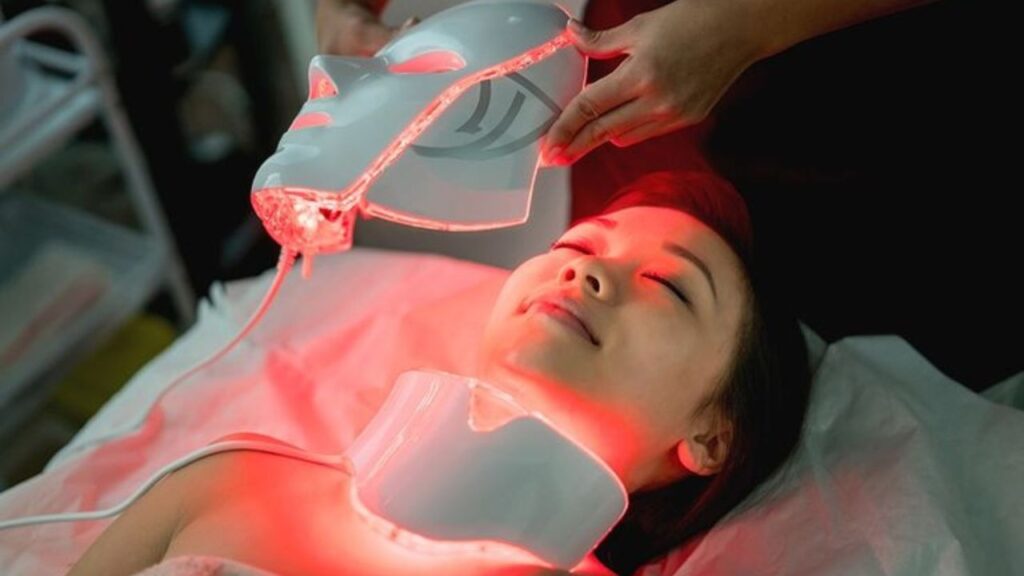
Certain symptoms warrant immediate professional evaluation. Contact your healthcare provider if you experience severe burns, blistering, persistent vision changes, or allergic reactions including swelling and difficulty breathing. These rare but serious led red light therapy side effects require prompt medical intervention.
Keeping communication open with dermatologists or physicians ensures you receive personalized guidance based on your unique health profile and treatment goals.
Conclusion
Understanding led red light therapy side effects empowers you to make informed wellness decisions. While this photobiomodulation treatment offers remarkable benefits for skin rejuvenation and pain management, awareness of potential risks ensures safer experiences. Most adverse reactions remain mild and temporary, including skin sensitivity, headaches, and eye discomfort.
By following proper usage guidelines, investing in quality FDA cleared devices, and respecting contraindications, you can maximize benefits while minimizing complications. Always consult healthcare professionals if you have underlying conditions or take photosensitizing medications. With responsible use, led red light therapy side effects become manageable, allowing you to enjoy this innovative treatment confidently.