Have you ever noticed itching scalp when stressed during overwhelming moments? You’re not alone. Millions of people experience this frustrating connection between their mental health and scalp discomfort. When stress hormones like cortisol surge through your body, they can trigger scalp inflammation, increased sensitivity, and that persistent urge to scratch.
This article explores the science behind why emotional tension affects your scalp health. We’ll uncover the biological mechanisms at play, identify common triggers, and provide practical solutions for relief. Whether you’re dealing with occasional flare-ups or chronic anxiety-related symptoms, understanding this mind-body connection is the first step toward finding lasting comfort and healthier hair.
Understanding the Connection Between Stress and Scalp Health
The relationship between your emotional state and physical symptoms is well documented in medical research. Itching scalp when stressed is a condition known as psychogenic itching or stress induced pruritus. This phenomenon occurs because your brain and skin share a common origin during fetal development, creating a powerful communication pathway between emotions and skin reactions.
When you experience psychological pressure, your body activates the fight or flight response. This triggers the release of neurochemicals and inflammatory markers that directly affect your scalp tissue. The result is often an uncomfortable sensation that makes you want to scratch, even when there’s no visible cause.
How Stress Triggers Scalp Irritation
Understanding the biological process helps explain why itching scalp when stressed feels so real and persistent. Your body’s stress response involves multiple systems working together.
The Role of Cortisol
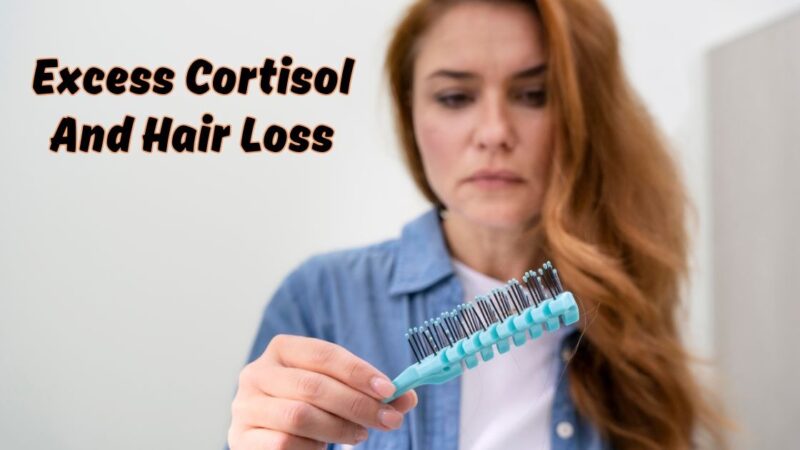
Cortisol, commonly known as the stress hormone, serves as a primary driver in this reaction. When levels remain elevated, it disrupts your skin’s natural barrier function and increases sebum production. This creates an environment where your scalp becomes more reactive and prone to irritation.
Histamine Release
Stress also prompts your body to release histamine, the same chemical responsible for allergic reactions. This causes blood vessels in your scalp to dilate, leading to that familiar tingling and itching sensation many people experience during anxious moments.
Common Signs and Symptoms
People experiencing itching scalp when stressed often report various accompanying symptoms. Recognizing these signs helps distinguish stress related scalp issues from other conditions.
- Persistent itching without visible skin abnormalities
- Increased sensitivity to touch or temperature changes
- Tingling or crawling sensations across the scalp
- Temporary hair thinning in affected areas
- Worsening symptoms during high pressure situations
These symptoms typically fluctuate with your stress levels, improving during relaxed periods and intensifying during emotional challenges.
Why This Matters for Your Overall Health
Ignoring itching scalp when stressed can lead to secondary problems. Constant scratching damages the skin barrier, potentially causing wounds, infections, or scarring alopecia. Additionally, the discomfort creates a frustrating cycle where the itching itself becomes another source of anxiety.
Chronic stress also weakens your immune system, making your scalp more vulnerable to conditions like seborrheic dermatitis, psoriasis flare ups, and fungal infections. Addressing the root cause becomes essential for long term scalp wellness.
Effective Solutions and Relief Strategies
Managing itching scalp when stressed requires addressing both the physical symptoms and underlying emotional triggers. A comprehensive approach yields the best results.
Lifestyle Modifications
Making simple changes to your daily routine can significantly reduce symptoms. Meditation and deep breathing exercises help lower cortisol levels naturally. Regular physical activity releases endorphins that counteract stress hormones while improving blood circulation to your scalp.
Topical Treatments
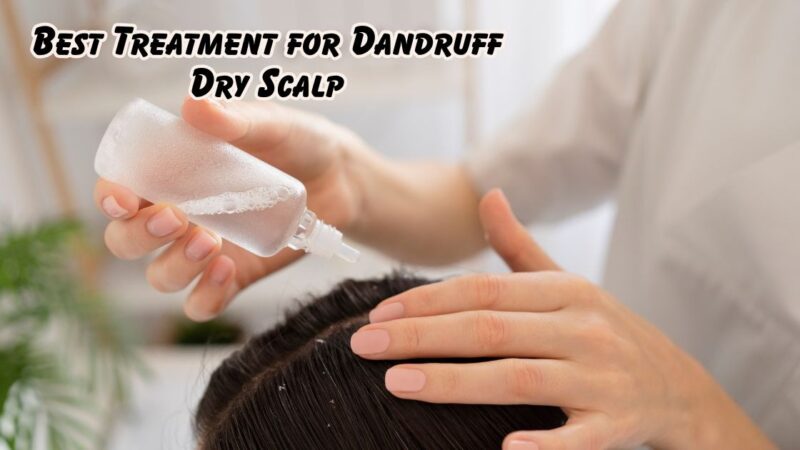
Several products provide immediate relief for irritated scalps. Look for ingredients that soothe and protect.
- Tea tree oil shampoos with natural antifungal properties
- Salicylic acid formulas that reduce flaking and buildup
- Aloe vera based products for cooling and hydration
- Zinc pyrithione treatments that calm inflammation
- Peppermint oil solutions that provide cooling relief
Professional Treatment for Itching Scalp When Stressed
When home remedies prove insufficient, consulting a dermatologist or trichologist becomes necessary. These specialists can prescribe medicated shampoos, topical corticosteroids, or recommend light therapy for severe cases. Some patients benefit from working with a mental health professional to develop better coping mechanisms.
Prevention Tips for Long Term Management
Preventing itching scalp when stressed involves building resilience against emotional triggers. Establishing healthy sleep patterns allows your body to regulate stress hormones effectively. Maintaining a balanced diet rich in omega 3 fatty acids, B vitamins, and zinc supports both scalp health and nervous system function.
Avoiding harsh chemical treatments and excessive heat styling also protects your scalp’s natural defenses. Choose gentle, sulfate free products that maintain proper pH balance without stripping essential oils.
Conclusion
Itching scalp when stressed is more than a minor annoyance. It represents a genuine mind body connection that deserves attention and proper care. By understanding how cortisol, histamine, and inflammation contribute to scalp discomfort, you can take meaningful steps toward relief.
Combining stress management techniques with appropriate topical treatments offers the most effective solution. Remember that persistent symptoms warrant consultation with a dermatologist or healthcare provider. Prioritizing both your mental wellness and scalp health creates lasting comfort and prevents complications. Taking action today means enjoying a healthier, itch free tomorrow.