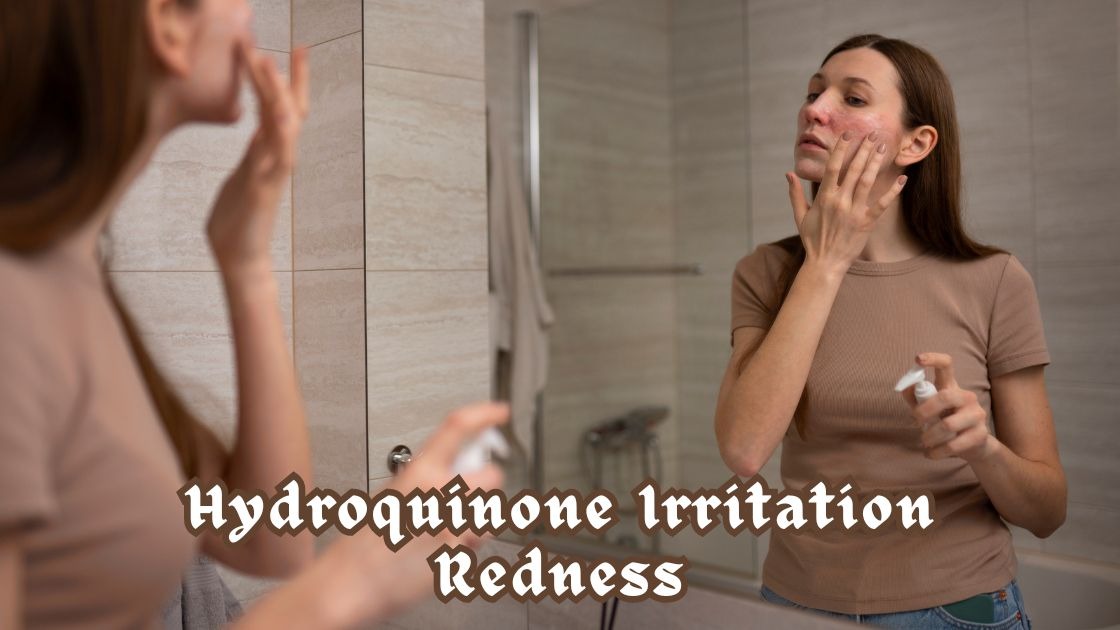
Hydroquinone irritation redness is a common concern for people using this powerful skin lightening ingredient to treat dark spots and hyperpigmentation. While hydroquinone remains one of the most effective treatments for uneven skin tone, many users experience uncomfortable side effects like burning, dryness, and inflammation. Understanding why these reactions occur and how to minimize them can make your skincare journey much smoother.
In this comprehensive guide, you’ll discover the main causes behind skin sensitivity from hydroquinone use. We’ll explore proven prevention strategies, safe alternatives, and expert tips for managing discomfort. Whether you’re new to brightening treatments or struggling with existing reactions, this article provides practical solutions to help you achieve radiant skin without unnecessary irritation.
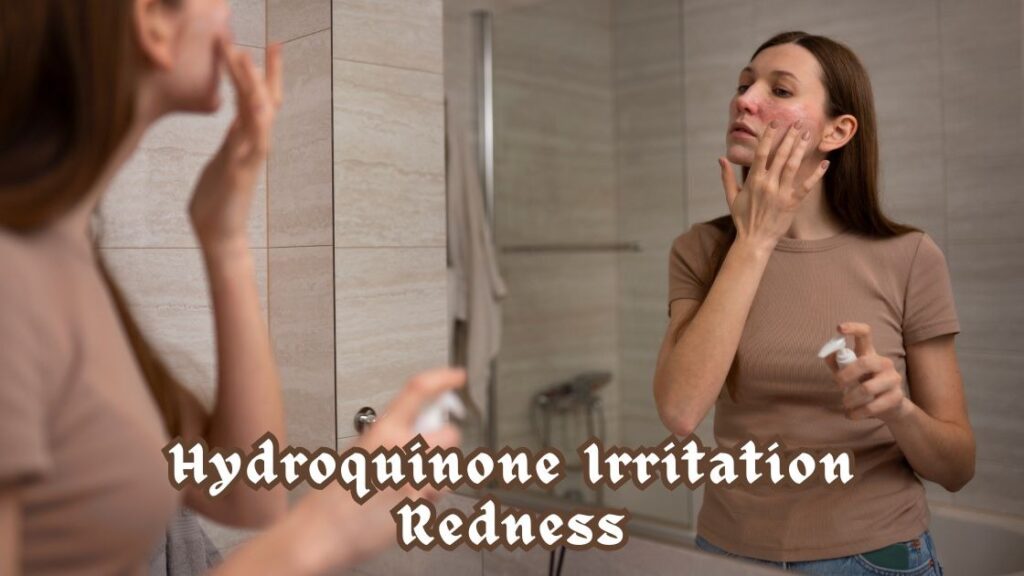
Understanding Why Hydroquinone Causes Skin Reactions
Hydroquinone works by inhibiting tyrosinase, the enzyme responsible for melanin production. This process effectively lightens dark patches but can also disrupt the skin’s natural barrier. When this barrier becomes compromised, hydroquinone irritation redness often develops as an inflammatory response.
How the Skin Reacts to Hydroquinone
Your skin contains sensitive nerve endings and immune cells that respond to foreign substances. Higher concentrations of hydroquinone, typically above 2%, increase the likelihood of experiencing skin sensitivity and discomfort. The compound can cause oxidative stress, leading to visible inflammation.
Common signs of a reaction include:
- Persistent redness that doesn’t fade within hours
- Burning or stinging sensations during application
- Excessive dryness and flaking
- Swelling around treated areas
- Increased sensitivity to sunlight
Primary Causes of Hydroquinone Irritation Redness
Understanding what triggers these reactions helps you prevent them effectively. Several factors contribute to hydroquinone irritation redness in different skin types.
Concentration Levels and Formulation
Over the counter products contain 2% hydroquinone, while prescription formulas may contain 4% or higher. Stronger concentrations deliver faster results but significantly increase adverse reactions. The product’s base ingredients, including alcohols and fragrances, can also intensify discomfort.
Application Frequency and Duration
Using hydroquinone too frequently overwhelms your skin’s ability to recover. Dermatologists recommend limiting treatment to specific periods, usually 3 to 6 months maximum. Extended use beyond this timeframe raises the risk of developing ochronosis, a condition causing permanent bluish black discoloration.
Individual Skin Sensitivity
People with sensitive skin, rosacea, or eczema experience more severe reactions. Fitzpatrick skin types I and II, characterized by fair complexions, often show heightened vulnerability. Previous allergic reactions to skincare products also indicate increased susceptibility.
Effective Strategies to Minimize Discomfort to Hydroquinone irritation redness
Managing hydroquinone irritation redness requires a thoughtful approach combining proper application techniques with supportive skincare practices.
Start with Lower Concentrations
Begin your treatment with the lowest available strength. This allows your skin to build tolerance gradually. Many dermatologists suggest starting at 1% and increasing only if necessary and tolerated well.
Follow the Sandwich Method
This popular technique involves:
- Applying a thin layer of moisturizer first
- Waiting 5 minutes before applying hydroquinone
- Following with another moisturizer layer after absorption
This approach creates a protective buffer that reduces direct contact with sensitive skin cells while still allowing the active ingredient to penetrate effectively.
Incorporate Soothing Ingredients
Pair your hydroquinone treatment with calming products containing niacinamide, aloe vera, or centella asiatica. These ingredients help repair the skin barrier and reduce inflammation. Hyaluronic acid provides essential hydration without interfering with the lightening process.

When to Seek Professional Help
Not all reactions are normal parts of the adjustment period. Recognizing warning signs helps you avoid permanent damage from hydroquinone irritation redness.
Signs Requiring Medical Attention
Contact a dermatologist immediately if you experience severe blistering, extreme swelling, or signs of infection. Darkening of treated areas instead of lightening indicates a paradoxical reaction requiring immediate discontinuation.
Alternative Treatments to Consider
If hydroquinone proves too harsh for your skin, effective alternatives exist. Vitamin C serums, azelaic acid, and kojic acid offer gentler skin brightening benefits. Alpha arbutin, a hydroquinone derivative, provides similar results with reduced irritation potential.
Preventing Future Reactions
Long term success with any pigmentation treatment depends on proper skin preparation and maintenance.
Essential Prevention Tips
Always perform a patch test before full application. Apply hydroquinone only at night and use broad spectrum sunscreen daily with SPF 30 or higher. Sun exposure dramatically increases sensitivity and can worsen hyperpigmentation instead of improving it.
Maintaining a consistent but gentle skincare routine supports your skin throughout treatment. Avoid combining hydroquinone with other potentially irritating actives like retinoids or chemical exfoliants unless directed by a skincare professional.
Understanding hydroquinone irritation redness empowers you to make informed decisions about your skincare journey. With patience and proper technique, you can achieve your desired results while keeping your skin healthy and comfortable.
Conclusion
Managing hydroquinone irritation redness doesn’t have to derail your journey toward clearer, more even skin tone. By understanding the causes behind these reactions and implementing smart prevention strategies, you can minimize discomfort while still achieving effective results.
Remember to start with lower concentrations, use the sandwich method, and incorporate soothing ingredients into your routine. Always prioritize sun protection and listen to your skin’s signals. If reactions become severe, consult a dermatologist for personalized guidance.
With patience and proper care, you can successfully treat hyperpigmentation while keeping your skin healthy, comfortable, and glowing.