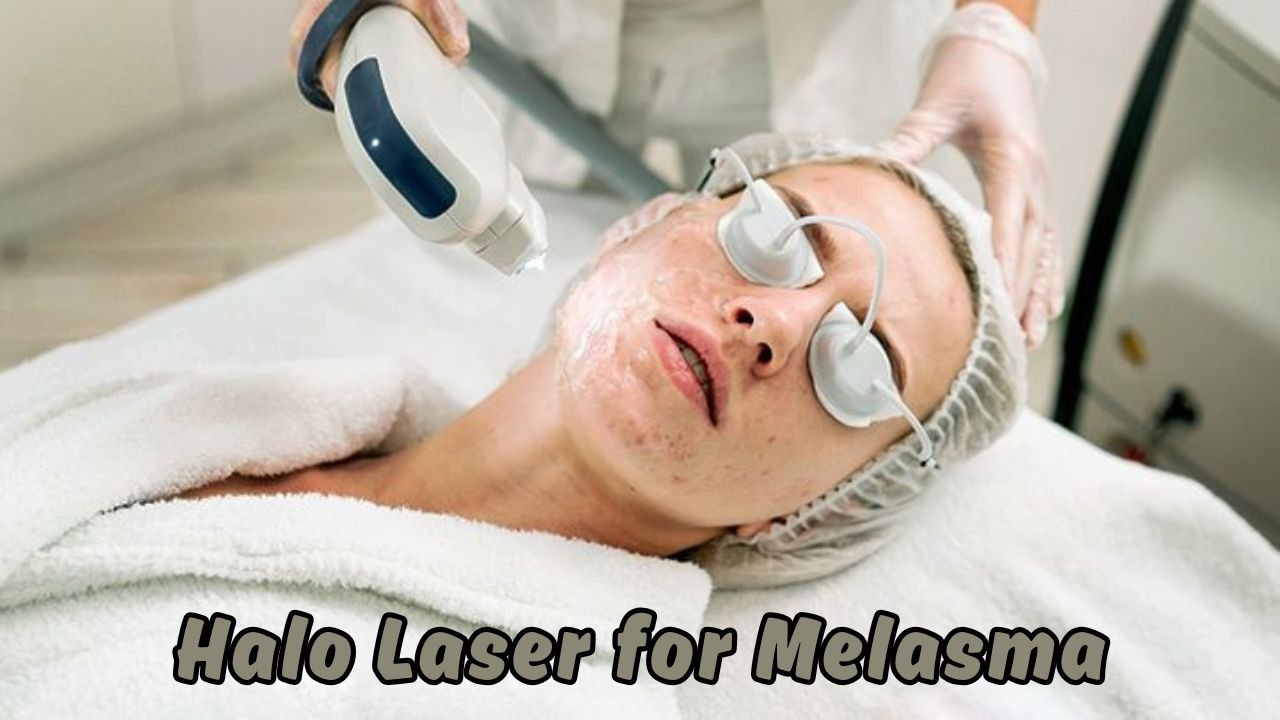
Halo laser for melasma has emerged as a revolutionary treatment option for those battling this frustrating skin pigmentation condition. Unlike traditional approaches that often deliver disappointing results, this innovative hybrid fractional laser technology offers new hope for achieving clearer, more even-toned skin.
Melasma affects millions worldwide, causing dark patches primarily on the face that can significantly impact self-confidence. Finding an effective hyperpigmentation treatment has long been challenging, but advances in laser skin resurfacing are changing the game.
In this comprehensive guide, we’ll explore how Halo laser for melasma works, its effectiveness compared to other treatments, potential risks, expected results, and everything you need to know before booking your consultation. Whether you’re considering this treatment or simply researching your options, this article will provide the answers you’re seeking.
Understanding Melasma and Its Treatment Challenges
Melasma is a common skin condition characterized by brown or grayish patches that typically appear on the cheeks, forehead, chin, and upper lip. This pigmentation disorder occurs when melanocytes produce excess melanin, often triggered by hormonal changes, sun exposure, or genetic factors. Women are particularly susceptible, especially during pregnancy or while using birth control pills.
Traditional treatments like topical creams, chemical peels, and conventional lasers have shown mixed results. Many patients find that their melasma returns or worsens after aggressive treatments. This is where Halo laser for melasma presents a promising alternative approach.
What Is Halo Laser Technology?
Halo laser for melasma utilizes a unique hybrid fractional laser system that combines two wavelengths in one treatment. Developed by Sciton, this innovative technology delivers both ablative and non-ablative laser energy simultaneously, targeting multiple skin layers without causing excessive damage.
How the Dual Wavelength System Works
The Halo device uses a 1470nm non-ablative wavelength and a 2940nm ablative wavelength. This combination allows practitioners to customize treatments based on individual skin types and melasma severity. The non-ablative component stimulates collagen production deep within the dermis, while the ablative portion addresses surface-level pigmentation issues.
Why Halo Differs from Traditional Lasers
Unlike aggressive ablative lasers that can trigger post-inflammatory hyperpigmentation, Halo laser for melasma offers a gentler approach. The treatment creates microscopic treatment zones while leaving surrounding tissue intact, promoting faster healing and reducing the risk of complications.
The Halo Laser Treatment Process
Understanding what to expect during your Halo treatment helps ensure a smooth experience and optimal results.
Pre-Treatment Preparation
Before undergoing Halo laser for melasma, patients typically follow a preparation protocol that includes:
- Avoiding sun exposure for at least two weeks before treatment
- Discontinuing retinoids and certain skincare products
- Using prescribed skin brightening agents to prep the treatment area
- Attending a consultation to assess skin condition and discuss expectations
- Arranging transportation home as numbing cream may affect driving ability
During the Procedure
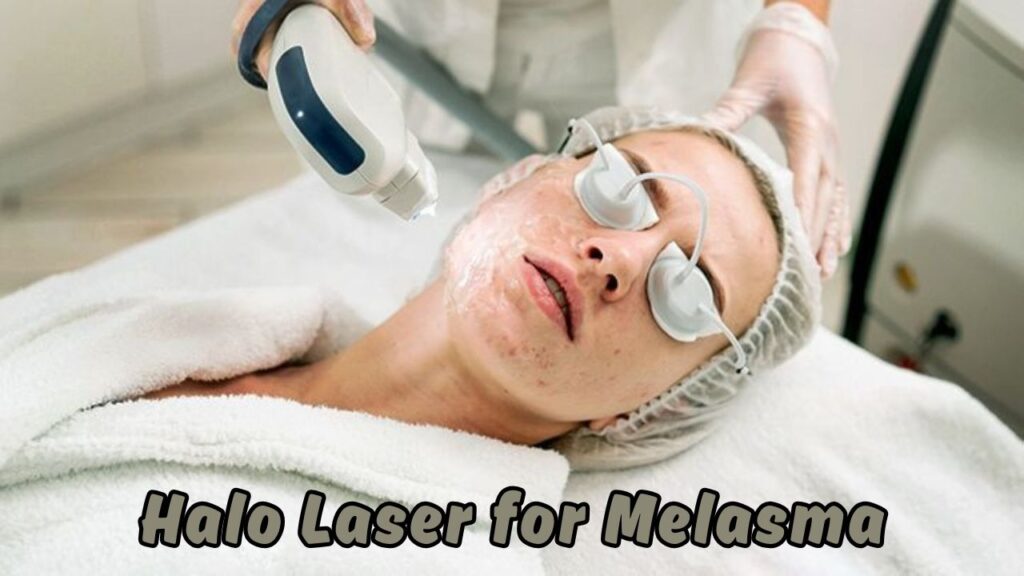
The actual treatment session lasts approximately 30 to 60 minutes depending on the treatment area size. Your provider applies a topical numbing cream beforehand to ensure comfort. Most patients describe the sensation as mild heat with occasional prickling.
Recovery and Downtime
Recovery from Halo laser for melasma typically involves five to seven days of downtime. Patients experience redness, swelling, and a bronzed appearance as the treated skin heals. Within a week, the damaged pigmented cells slough off, revealing fresher, more even-toned skin beneath.
Benefits and Considerations
Advantages of Choosing Halo Laser
The Halo treatment offers several compelling benefits for melasma patients:
- Customizable intensity levels for different skin concerns and types
- Shorter recovery time compared to fully ablative laser treatments
- Improvement in overall skin texture and tone beyond just pigmentation
- Stimulates natural collagen remodeling for long-term skin health
- Works synergistically with complementary therapies to maximize outcomes
Important Considerations and Limitations
While Halo laser for melasma shows promise, it’s essential to maintain realistic expectations. Melasma is a chronic condition with no permanent cure. Multiple treatment sessions spaced four to six weeks apart are typically necessary. Ongoing sun protection and maintenance treatments remain crucial for lasting results.
Some patients may experience temporary darkening before improvement occurs. Those with darker skin tones require careful treatment protocols to minimize adverse effects.

Is Halo Laser Right for Your Melasma?
Determining candidacy for Halo laser for melasma requires professional evaluation. Ideal candidates have realistic expectations, commit to proper skincare routines, and understand the importance of UV protection post-treatment.
Consulting with a board-certified dermatologist or experienced laser practitioner ensures you receive personalized recommendations based on your specific melasma type, skin tone, and treatment goals. They can determine whether Halo alone or a combination approach would deliver the best outcomes for your unique situation.
Conclusion
Halo laser for melasma represents a significant advancement in treating this challenging skin pigmentation condition. By combining ablative and non-ablative wavelengths, this hybrid fractional technology offers a balanced approach that minimizes risks while delivering noticeable improvements in skin tone and texture.
While no treatment provides a permanent solution for melasma, Halo laser for melasma gives patients renewed hope for achieving clearer, more even-toned skin. Success depends on choosing an experienced practitioner, following proper pre and post-treatment care, and committing to ongoing sun protection. Consult a qualified dermatologist to determine if this innovative treatment aligns with your skincare goals and expectations.