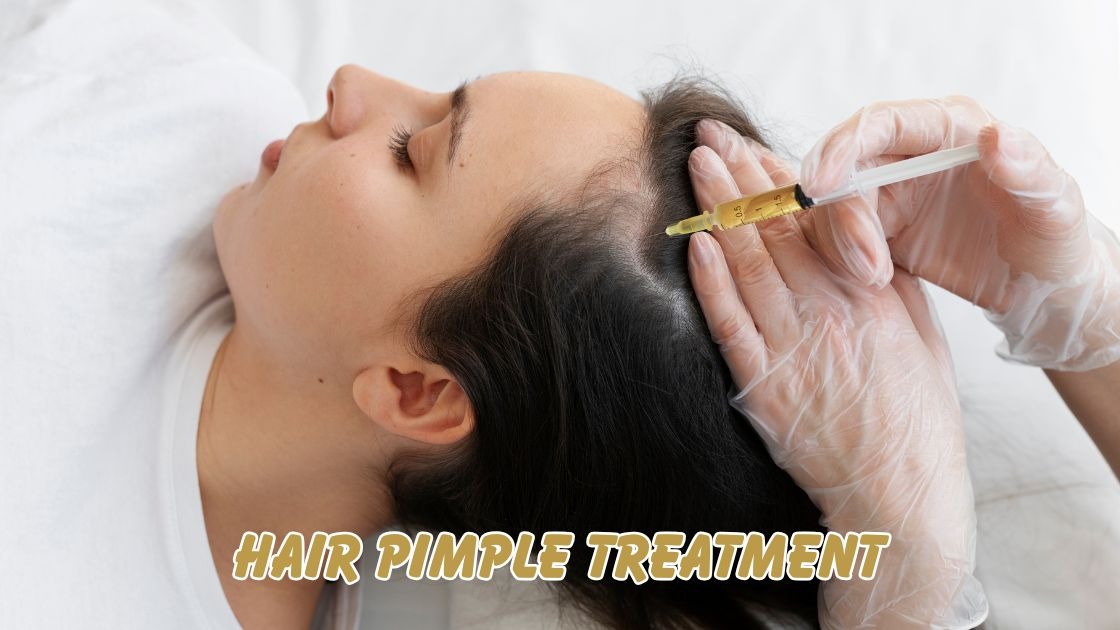
Finding an effective hair pimple treatment can feel overwhelming, but you’re not alone in this journey. Those annoying scalp breakouts affect millions of people worldwide, causing discomfort and embarrassment.
In this comprehensive guide, we’ll explore everything you need to know about treating pimples on your scalp. From understanding the root causes like folliculitis and clogged hair follicles to discovering powerful home remedies and professional solutions, we’ve got you covered. You’ll learn about the best medicated shampoos, lifestyle changes, and when to consult a dermatologist for persistent issues. Whether you’re dealing with occasional bumps or chronic scalp acne, this article provides practical, science-backed strategies to help you achieve a clear, healthy scalp once again.
What Are Scalp Pimples and Why Do They Occur?
Scalp pimples are inflamed bumps that develop on the scalp when hair follicles become clogged with oil, dead skin cells, and bacteria. These frustrating bumps can range from small whiteheads to painful, deep cysts that make brushing your hair uncomfortable. Understanding the nature of scalp acne is the first step toward finding an effective hair pimple treatment that works for your specific condition.
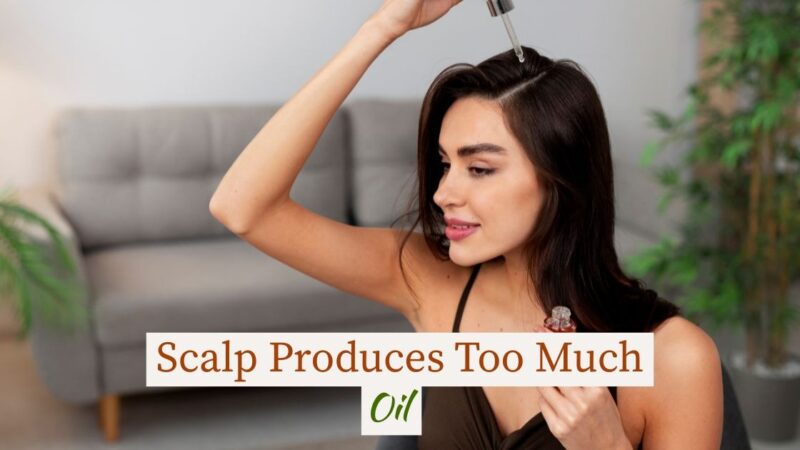
The scalp contains thousands of sebaceous glands that produce natural oils to keep your hair moisturized. However, when these glands become overactive or blocked, pimples can form. Unlike facial acne, scalp breakouts often go unnoticed until they become painful or visible along the hairline.
Common Causes of Scalp Breakouts
Several factors contribute to the development of pimples on your scalp. Excess sebum production is one of the primary culprits, especially in individuals with naturally oily skin. When combined with sweat and environmental pollutants, this creates the perfect breeding ground for bacteria.
Product buildup from shampoos, conditioners, and styling products can also clog follicles. Additionally, wearing tight hats or headgear traps heat and moisture, promoting bacterial growth. Hormonal fluctuations, stress, and poor diet further contribute to scalp acne development.
Types of Scalp Acne You Should Know
Before starting any hair pimple treatment, identifying the type of scalp acne you have is essential for proper care.
Scalp Folliculitis
This condition occurs when hair follicles become infected with bacteria or fungi. It appears as small, itchy red bumps that may contain pus. Staphylococcus bacteria commonly cause this infection, which can spread if left untreated.
Seborrheic Dermatitis
Often confused with dandruff, this condition causes scaly patches and red skin along with pimple like bumps. It results from an overgrowth of Malassezia yeast on the scalp and requires specific treatment approaches.
Acne Necrotica
This severe form of scalp acne causes deep, painful lesions that can lead to scarring. Professional dermatological intervention is often necessary for this condition.
Effective Hair Pimple Treatment Options
Finding the right hair pimple treatment depends on the severity and type of your scalp condition. Here are proven methods that deliver results.
Home Remedies for Mild Cases
For occasional breakouts, natural remedies can provide relief without harsh chemicals.
- Tea tree oil mixed with carrier oil reduces inflammation and kills bacteria
- Apply diluted apple cider vinegar to balance scalp pH levels
- Use aloe vera gel to soothe irritation and promote healing
- Rinse with green tea for its antioxidant and antibacterial properties
- Apply witch hazel to reduce oil production and inflammation
Medicated Treatments
When home remedies fall short, medicated shampoos containing active ingredients offer stronger solutions. Look for products with salicylic acid to exfoliate dead skin cells or benzoyl peroxide to eliminate bacteria. Ketoconazole shampoos work effectively against fungal infections causing scalp pimples.
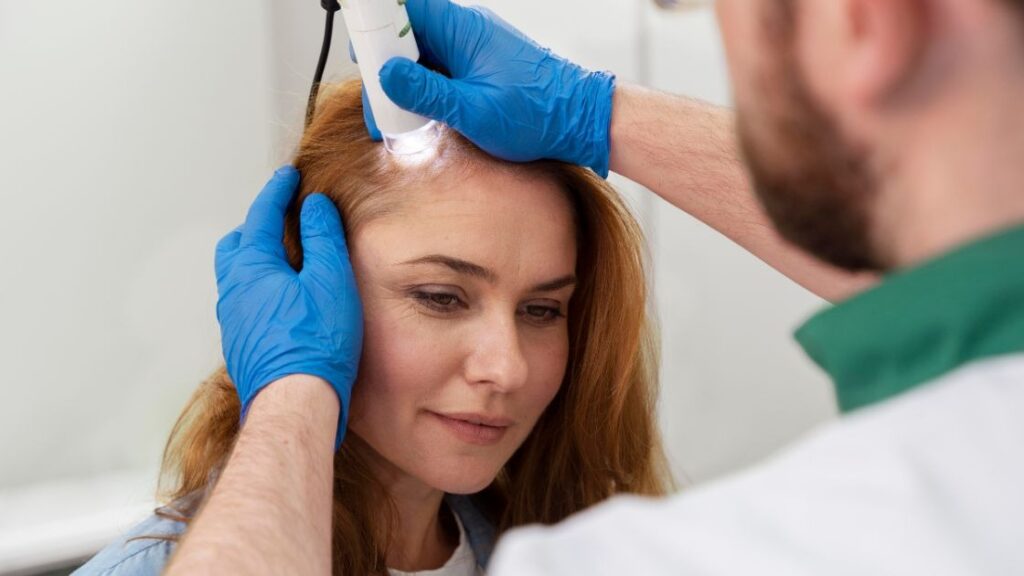
For persistent cases, a dermatologist may prescribe topical antibiotics or oral medications to address underlying infections. Corticosteroid injections can reduce inflammation in severe cystic lesions.
Prevention Tips for Long Term Scalp Health
Preventing scalp pimples is easier than treating them. Incorporating these habits into your routine supports a healthy, clear scalp.
- Wash your hair regularly with a gentle, sulfate free shampoo
- Avoid heavy styling products that can clog follicles
- Keep hair accessories and pillowcases clean
- Manage stress through exercise and relaxation techniques
- Stay hydrated and maintain a balanced diet rich in omega 3 fatty acids
When to Consult a Dermatologist
While many cases respond well to hair pimple treatment at home, certain situations require professional attention. Seek medical advice if your pimples persist beyond two weeks of treatment, cause significant pain, or show signs of spreading infection. Recurring scalp acne despite proper care also warrants a dermatologist visit.
A specialist can perform tests to identify underlying causes and recommend prescription strength hair pimple treatment options tailored to your needs. Early intervention prevents scarring and promotes faster healing.
Conclusion
Dealing with scalp pimples can be frustrating, but the right hair pimple treatment makes all the difference in achieving a healthy, bump free scalp. From understanding the causes like clogged follicles and excess oil production to exploring effective solutions including medicated shampoos, home remedies, and professional care, you now have the knowledge to tackle this common issue confidently.
Remember that consistency is key when treating scalp acne. Whether you choose natural approaches or seek dermatological help, patience and proper hygiene will lead to lasting results. Start your hair pimple treatment journey today and enjoy a clearer, more comfortable scalp tomorrow.