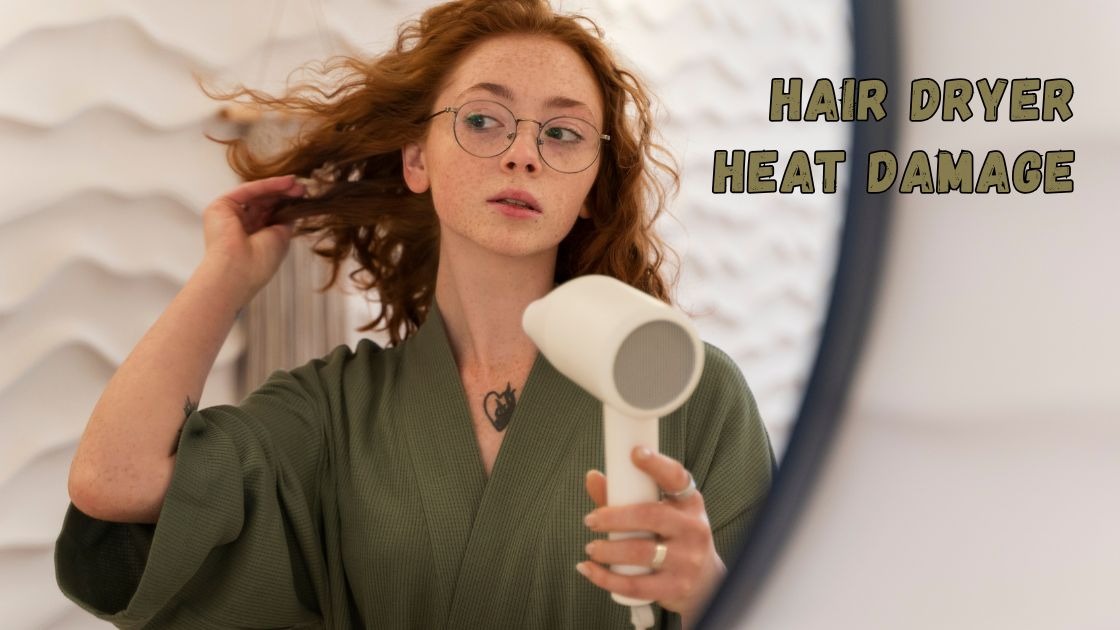
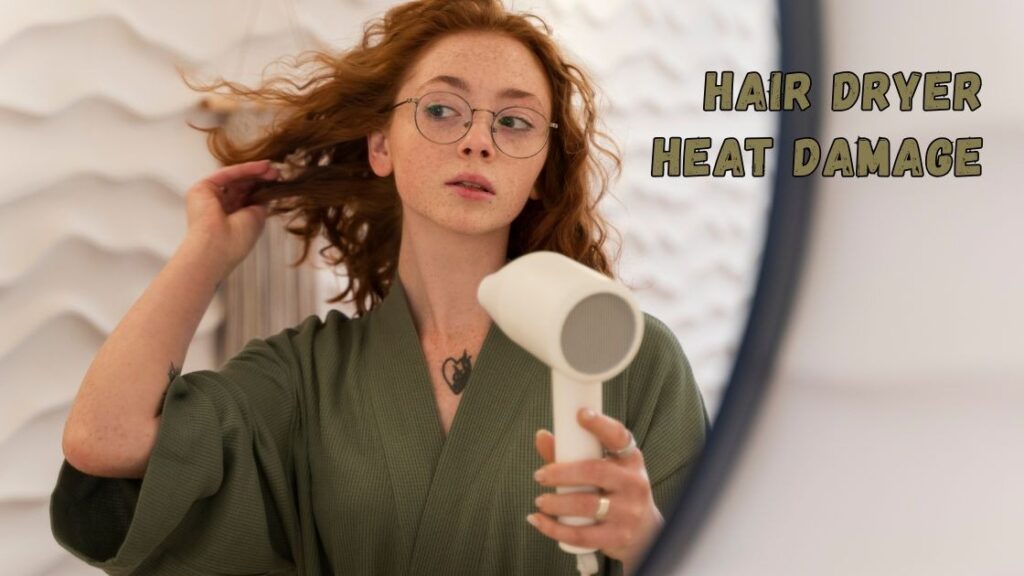
Hair dryer heat damage is one of the most common yet preventable causes of dry, brittle, and lifeless locks. Every time you reach for your blow dryer without proper precautions, you risk stripping away your hair’s natural moisture and weakening its protective cuticle layer. The result? Split ends, frizz, breakage, and hair that loses its natural shine over time. But here’s the good news you don’t have to give up your styling tools to maintain gorgeous, healthy hair.
This comprehensive guide will walk you through everything you need to know about protecting your strands from excessive heat exposure. From understanding how thermal styling affects your hair health to discovering essential heat protectant products and proper drying techniques, you’ll learn proven strategies to enjoy salon-worthy blowouts without sacrificing your hair’s integrity.
Understanding How Hair Dryer Heat Damage Affects Your Strands
When you expose your hair to high temperatures, the effects go far beyond simple drying. Your hair is composed of a protein called keratin, held together by hydrogen bonds that give each strand its strength and flexibility. Excessive heat disrupts these bonds, causing permanent structural changes.
Research published in the Annals of Dermatology found that hair dryer heat damage becomes significantly worse as temperatures increase. Hair dried at 95°C showed the most severe surface deterioration compared to lower temperature settings. The study revealed that while the outer cuticle layer bears the brunt of thermal injury, it also serves as a protective barrier for the inner cortex.
Signs Your Hair Is Suffering from Thermal Damage
Recognizing the warning signs early can help you take corrective action before the damage becomes irreversible.
- Dryness and brittleness that persists even after conditioning
- Increased split ends and breakage during brushing
- Loss of natural shine and luster
- Frizzy texture that’s difficult to manage
- Color fading faster than usual in treated hair
If your locks feel rough, look dull, or snap easily when stretched, these are clear indicators that your styling routine needs adjustment.
The Science Behind Heat Styling Damage
Understanding why heat hurts your hair helps you make smarter decisions about your styling habits. When temperatures exceed 300°F, the keratin structure begins to change permanently. This leads to weaker strands with reduced elasticity.
Your hair’s natural moisture content plays a crucial role here. Water molecules inside each strand can turn to steam under extreme heat, essentially cooking your hair from the inside out. This is why blow drying wet hair at maximum temperature causes more severe injury than drying hair that’s already partially air dried.
Why Some Hair Types Are More Vulnerable
Not all hair responds to heat the same way. Fine, thin strands require less heat to style and are more susceptible to thermal styling damage. Curly and coily textures have natural weak points along the shaft where damage accumulates faster. Color treated and chemically processed hair has already compromised cuticles, making it extremely vulnerable to additional stress.
Essential Prevention Strategies for Healthy Hair
Protecting your strands doesn’t mean abandoning your styling tools entirely. With the right approach, you can achieve beautiful results while minimizing hair dryer heat damage.
Always Use a Quality Heat Protectant
This is your first and most important line of defense. A good heat protection spray or serum creates a barrier between your hair and the hot air. Look for products containing silicones, proteins, or natural oils that coat each strand effectively. Apply generously from mid length to ends before any heat exposure.
Master the Proper Drying Technique
How you use your dryer matters just as much as the products you apply.
- Towel dry gently using a microfiber cloth to remove excess water first
- Allow hair to reach about 70 to 80 percent dryness naturally before using any tools
- Maintain a distance of at least six inches between the dryer and your head
- Keep the blow dryer moving constantly rather than focusing on one spot
- Point the nozzle downward to smooth the cuticle and reduce frizz
Choose the Right Temperature Settings
Most people automatically reach for the highest heat setting, but this is rarely necessary. Medium heat works effectively for the majority of hair types while causing significantly less stress. Reserve high temperatures only for very thick, coarse hair that truly needs extra power.
The cool shot button is your secret weapon for finishing. A blast of cold air seals the cuticle, locks in shine, and sets your style without additional thermal exposure.

Repairing Existing Heat Damaged Hair
If your strands already show signs of injury, recovery is possible with consistent care. Weekly deep conditioning treatments and hair masks help restore lost moisture. Protein treatments strengthen weakened bonds and improve resilience. Trimming damaged ends every six to eight weeks prevents splits from traveling up the shaft.
Consider giving your hair regular breaks from heat styling altogether. Embrace air drying when time permits and explore heatless styling alternatives like braids, twists, or rollers. Your hair will thank you with renewed softness, shine, and strength.
Conclusion
Protecting your locks from hair dryer heat damage doesn’t require giving up your favorite styling tools. By understanding how excessive temperatures affect your strands and implementing smart prevention strategies, you can enjoy beautiful blowouts without sacrificing hair health. Remember to always apply a quality heat protectant, maintain proper distance while drying, and choose lower temperature settings whenever possible. Give your hair regular breaks from thermal styling and invest in deep conditioning treatments to restore moisture. With consistent care and the right techniques, you can achieve salon worthy results while keeping your strands strong, shiny, and resilient for years to come.